
Chapter 1 of 14
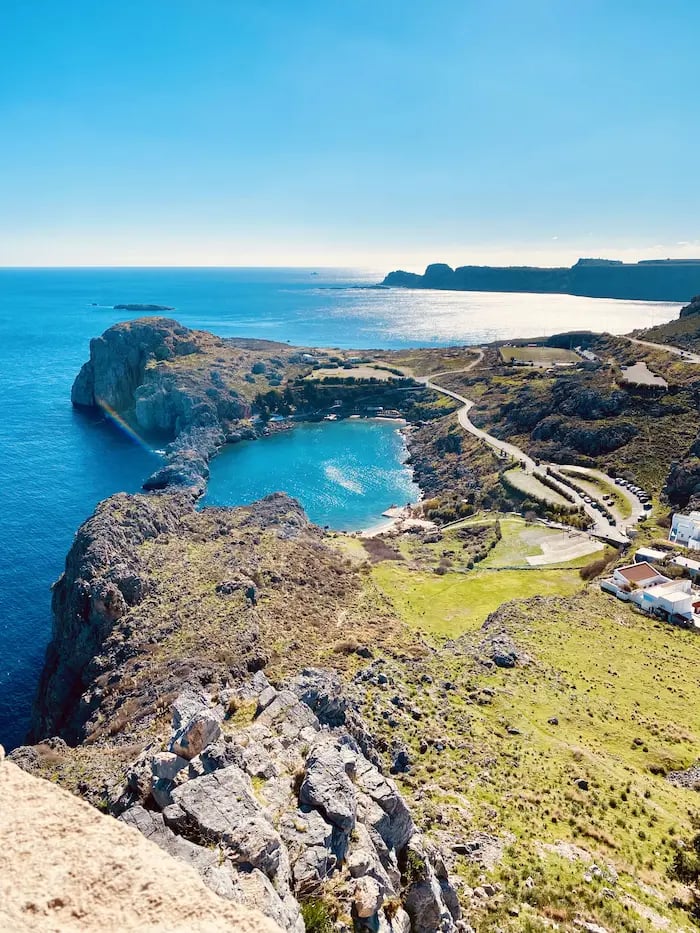
Which boat trip in Rhodes should you choose?
I'd compare Rhodes Booking Marketplace boat trips first, matching the departure point to where you are staying. There are different choices from Rhodes, Lindos and Kiotari, including shared sailing, private skippered trips and self-drive rental. Keep the preserved alternatives below in mind if their itinerary fits you better.
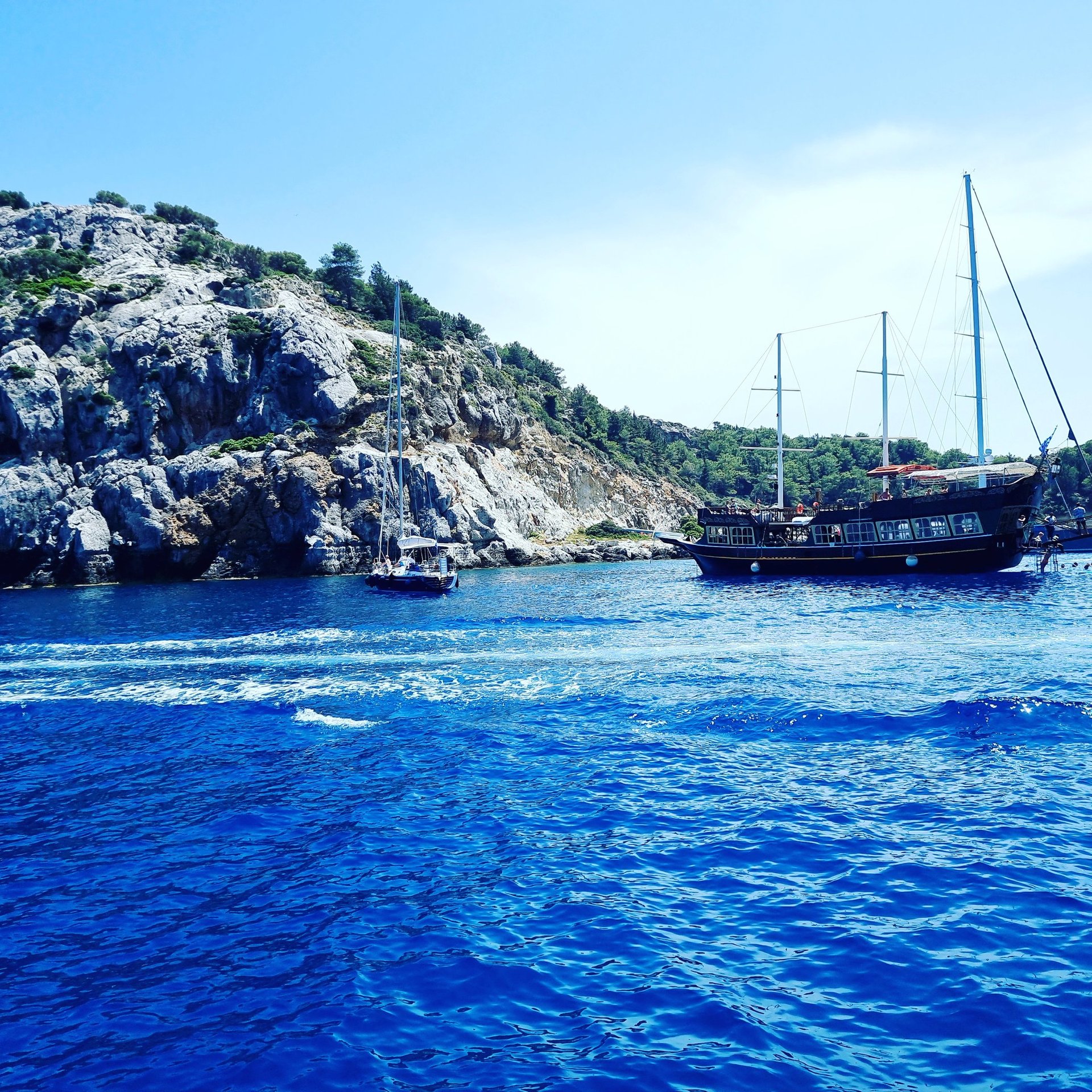
Choose a coastal cruise for swimming, a destination excursion for exploring Symi or Lindos, and sunset sailing for an evening outing. The right boat trip in Rhodes depends on your preferred atmosphere, time aboard and comfort needs—not simply the number of stops.
Start by deciding how you want the day to feel, then compare Rhodes boat trips. Before booking, review the departure harbour, actual itinerary, inclusions, passenger numbers and cancellation terms, plus any age or accessibility requirements.
- Coastal swimming cruise: first-time visitors who want swimming, scenery and time to relax.
- Symi or Lindos excursion: travellers who want time ashore rather than mainly swimming stops.
- Sunset sailing: couples and anyone wanting an evening outing without using a whole sightseeing day.
- Short scenic cruise: families, non-swimmers and travellers who prefer less time aboard.
- Relaxed shared cruise: friends and solo travellers who enjoy company without a party atmosphere.
First visit: a coastal swimming cruise
For a first visit, I'd start with a relaxed coastal swimming cruise if you enjoy being in the water. The appeal is simple: coastal views, stops in bays and downtime aboard, without organising separate journeys between beaches.
Expect a rhythm of cruising, swimming and resting—not constant sightseeing or commentary. Choose the onboard atmosphere before counting stops: two boats following a similar route can feel very different.
- Relaxed coastal cruise: a good starting choice for swimming and an easy-paced day.
- Shorter coastal cruise: better if you're unsure how much time you want to spend aboard.
- Swim-heavy itinerary: less suitable if repeated stops would leave you waiting for the boat to move on.
Sightseeing: Symi or Lindos
Choose a destination excursion when exploring ashore is the main reason for going. Start with Symi if you want to visit another island, or Lindos if that village is already on your Rhodes wish list.
Lindos beach offers swimming beneath the acropolis, but your booked trip determines the time ashore and any swimming stops. Use Lindos planning advice to decide what you want to do there, rather than trying to squeeze everything into a short visit.
A destination excursion and a scheduled ferry are different choices. A ferry provides transport; an excursion follows its advertised programme, so compare time ashore rather than treating crossing time as the total outing.
- Symi excursion: travellers who want an island visit and accept the crossing as part of the day.
- Lindos excursion: travellers who want coastal travel combined with a visit ashore.
- Scheduled ferry: independent travellers happy to arrange their own day around the sailing timetable.
Couples: sunset, sailing or private
For couples, my starting choice is a sunset sailing trip. It gives you shared time on the water while leaving the daytime free for beaches or sightseeing; compare sunset cruise options if that sounds right.
For a daytime outing, consider catamaran and sailing cruises with a relaxed atmosphere. A shared cruise can still feel romantic; private hire makes more sense when privacy matters more than meeting other passengers.
Choose space and atmosphere over a luxury label. Loud music or a busy deck may matter far more to your enjoyment than an extra swimming stop.
- Sunset sailing: couples wanting an atmospheric evening outing.
- Relaxed sailing or catamaran cruise: couples wanting a longer daytime experience.
- Private boat: couples prioritising privacy and an outing arranged around their preferences.
Families: a shorter trip with useful facilities
With children, I'd start with a shorter, relaxed cruise rather than committing to a full day. Swimming and spotting fish can make the outing playful, but long stretches aboard may test tired children.
Prioritise shaded seating, an onboard toilet and manageable boarding over an ambitious route. Choose a trip suited to your children's ages and swimming confidence, with appropriately sized safety equipment and close adult supervision.
- Short relaxed cruise: families trying a boat outing for the first time.
- Swimming cruise: families whose children already enjoy spending time in the water.
- Glass-bottom trip: an alternative to explore if the children prefer looking below the surface to swimming.
Non-swimmers and seniors: scenery and comfort
Start with a short scenic cruise if swimming is not your priority. You can stay aboard during swimming stops and enjoy the views, but a route built around repeated swims may offer less variety.
For older travellers, choose around mobility and comfort rather than age alone. Shaded seating, toilets, boarding arrangements and access around the boat matter more than its label or popularity.
A glass-bottom boat trip is another option for seeing below the surface without entering the water. If you have limited mobility, discuss your boarding needs with the operator before paying.
- Short scenic cruise: non-swimmers who want coastal views without a long commitment.
- Comfort-focused cruise: travellers who need accessible boarding, shade and proper seating.
Friends and solo travellers: shared or social cruises
Start with a relaxed shared cruise if you want company without organised partying. Time between swimming stops gives you opportunities to chat, while still leaving room to sit quietly and enjoy the coast.
A social cruise is not automatically a party boat. If music and a livelier atmosphere are the point of your outing, read the party boat advice before choosing.
- Relaxed shared cruise: solo travellers and friends wanting easy, low-pressure company.
- Party-style trip: groups and solo travellers specifically looking for music and a livelier atmosphere.
When a boat trip is worth it
A boat trip is worth it when you want coastal scenery, swimming and a slower day without arranging each stop yourself. It adds a different view of Rhodes, but it is not an essential holiday purchase.
No trip suits everyone. Long crossings, a fixed timetable or repeated swimming stops can be poor matches if you prefer short outings or complete freedom.
One well-chosen trip is enough to add variety to your week. Use Rhodes itinerary planning to balance it with beaches, villages and sightseeing rather than filling several days with similar cruises.
- Choose a boat day: you enjoy the journey and time aboard as much as the stops.
- Choose a beach day instead: you want to arrive, eat and leave whenever you like.
- Choose a land-based outing: exploring sights matters more to you than being at sea.
My suggestion: book one trip that adds something different to your holiday, rather than several cruises with similar swimming stops.
Chapter 2 of 14
Which coastal swimming cruise fits your day?
A coastal swimming cruise suits you if water time matters more than exploring a town. Choose the route for the bays you want to see, then the boat for how you want to spend time between swims.
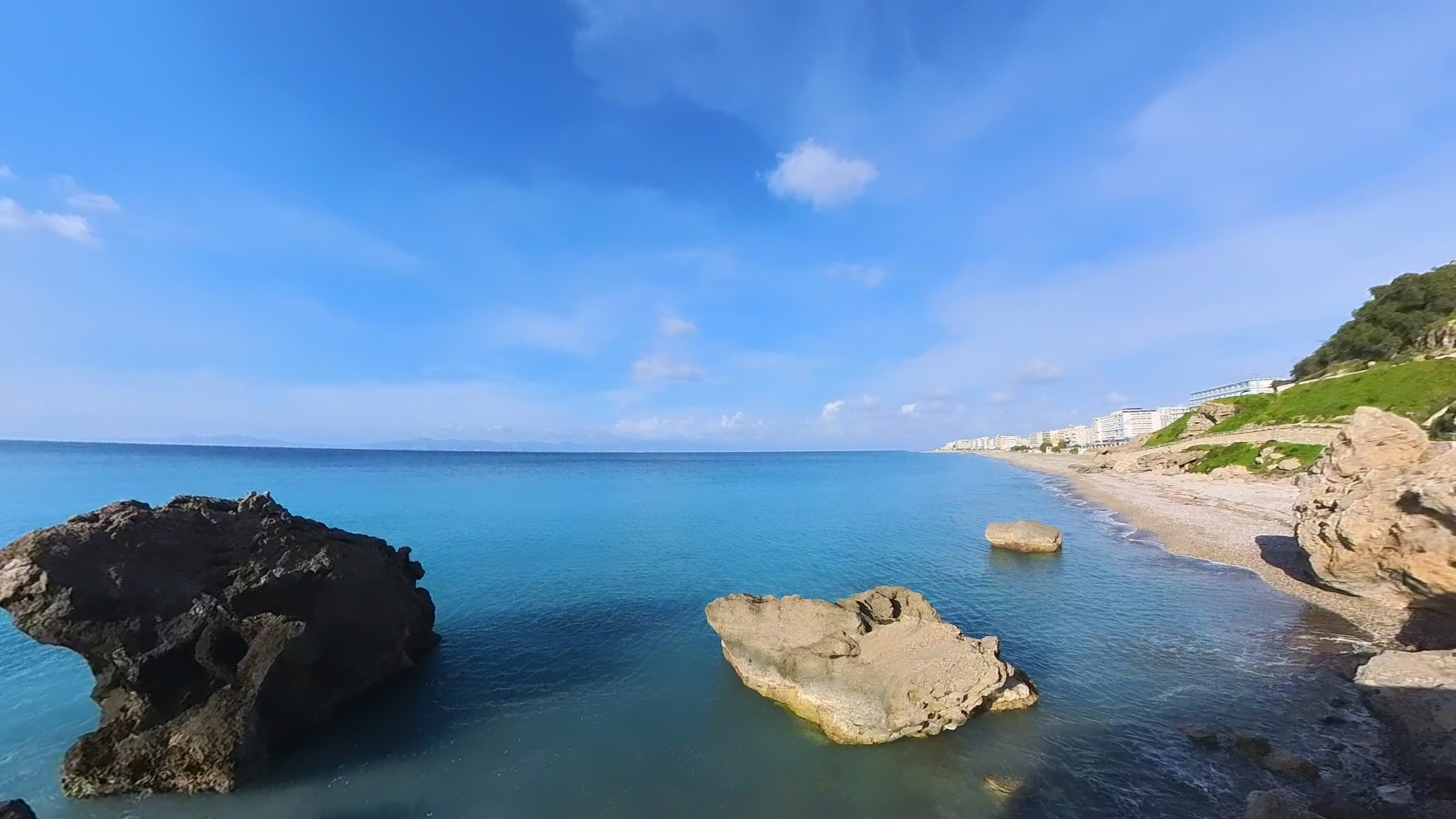
Start with coastal swimming cruises and compare the actual routes rather than the longest list of place names. Anthony Quinn Bay and Ladiko, Kallithea, and the Tsambika–Stegna–Agia Agathi coastline are different route options, not one combined itinerary. The day usually moves between cruising, swimming stops and time relaxing aboard.
- Anthony Quinn Bay, Ladiko and caves: choose this for a bay-focused swimming day with coastal scenery.
- Kallithea coastal trips: choose this if seeing the Kallithea coastline from the water is your priority.
- Tsambika, Stegna and Agia Agathi: consider routes featuring these areas if those beaches interest you most.
- All-inclusive cruises: choose this when eating and relaxing aboard matter alongside swimming.
- Snorkelling-focused cruises: choose this when time in the water matters more than the onboard meal.
Anthony Quinn Bay, Ladiko and sea caves
This is a good starting point if you want a coastal swimming trip rather than a town visit. Put Anthony Quinn Bay and Ladiko on your shortlist, then compare how much swimming time each route allows.
Two options to compare are Anthony Quinn, Ladiko and caves all-inclusive cruise and Anthony Quinn and sea caves cruise. Their names help identify the route, but the current itinerary determines the stops and activities. Choose between them by the balance of water time, cruising and time aboard—not the title alone.
A cave in the trip name does not promise swimming inside it. Viewing a cave from the boat, anchoring nearby and entering the water are three different experiences. If cave swimming is the reason you are booking, look for it stated clearly in the itinerary.
- Best fit: you want bay swimming and coastal views without building the day around sightseeing ashore.
- Less suitable: you mainly want time on the beach, a walk or a restaurant lunch. A swimming stop is not the same as a shore visit.
Kallithea coastal trips
Choose a Kallithea coastal trip if that stretch of coastline is what you want to see from the sea. It gives you a different route to compare with the Anthony Quinn and Ladiko options. Keep your choice focused on where the boat stops, rather than simply where it passes.
A Kallithea Springs coastal cruise and a visit to Kallithea Springs ashore are different plans. Choose a cruise with an explicit shore visit if you want time to explore on land. Otherwise, plan around the coastal views and swimming stops listed for that departure.
- Best fit: you want a sea-based outing centred on the Kallithea coastline.
- Less suitable: visiting the Springs ashore is the main purpose of your day.
Tsambika, Stegna and Agia Agathi
Tsambika, Stegna and Agia Agathi are other coastal areas to look for when comparing swimming routes. They are alternatives to the northern bay routes, not guaranteed additions to them. Pick a departure that names the places you most want to see and explains what happens at each stop.
These routes suit you if your interest lies in this stretch of the coast rather than Anthony Quinn Bay. But seeing a beach from an anchored boat is different from spending an afternoon ashore. If you want beach time, a walk and lunch on land, use the Rhodes beach planner to plan a separate outing.
- Best fit: these coastal areas are already high on your holiday wish list.
- Less suitable: you want guaranteed time ashore at every named beach. Choose that only when landing time is part of the itinerary.
All-inclusive swim cruises
An all-inclusive swimming cruise suits you when lunch and a relaxed onboard break are part of the appeal. You spend the day moving between swimming, coastal views and time eating or resting. It is a good choice for a shared outing where not everyone wants to stay in the water equally long.
For a meal-included option, compare Rhodes all-inclusive day cruise with BBQ and drinks. The package name is a starting point, not a substitute for the current inclusion list. Read that once for the meal, drink selection, service limits and any dietary arrangements you need.
The bay-to-bay swim cruise with Greek buffet and wine is another option when both swimming and onboard dining matter. I’d compare its planned water time with its meal arrangements before choosing. If lunch is only a practical break for you, give swimming time more weight than the buffet.
- Meal-led choice: suits you if eating together aboard is part of the experience you want.
- Swim-led choice: suits you if food is secondary and you would rather maximise time in the bays.
- Value comparison: a larger food-and-drink package is only useful if you will enjoy what it includes.
Snorkelling-focused cruises
Choose a snorkelling-focused cruise when looking beneath the surface matters more than sightseeing ashore or a long lunch. A general swim cruise can still appeal, but a snorkelling label alone does not explain how much water time you get. The useful details are the planned stops, equipment provision and whether the activity is guided.
The all-inclusive boat trip with snorkelling is an option to compare if water time is your priority. Read the snorkelling trip advice to decide whether a dedicated snorkelling outing or a relaxed swimming cruise fits you better. Keep the current package details separate from what its name suggests.
- Best fit: you enjoy spending your stops in the water rather than returning quickly to your seat.
- Less suitable: you mainly want coastal views and relaxation. A general swim cruise may give you the balance you prefer.
What a swimming day actually feels like
A swimming cruise is usually a slower day than the booking photos suggest. You cruise along the coast, stop for swimming, then settle back aboard before moving on. The number and length of stops depend on the trip; this is not continuous swimming.
The atmosphere is often relaxed and social, without requiring you to join in constantly. You can spend a stop swimming, then enjoy the next stretch sitting with a drink or watching the coastline. On meal-included trips, eating aboard becomes another part of that rhythm.
This balance suits travellers who like activity with plenty of downtime. It can feel slow if you expect constant sightseeing, long walks or something organised every minute. You can also stay aboard during a swim stop, though a swim-heavy itinerary may feel less rewarding if you never want to enter the water.
My suggestion: choose the day you would enjoy between the swims, not just the bays in the photos. If you like slow coastal travel, relaxed breaks and repeated chances to get into the sea, this is a strong choice.
- While cruising: coastal views, conversation and time to rest.
- At swimming stops: water time, with the boat remaining your base unless a shore visit is listed.
- Between stops: drying off, relaxing and eating or drinking where included.
Chapter 3 of 14
Should you choose Symi, Lindos or a ferry?
Choose a destination excursion when exploring ashore is the main reason for going: Symi for an island visit, or Lindos for sightseeing on Rhodes. Scheduled ferries provide transport, so compare their sailing times and return options separately from excursion stops and free time.
Symi: a destination day rather than only swimming
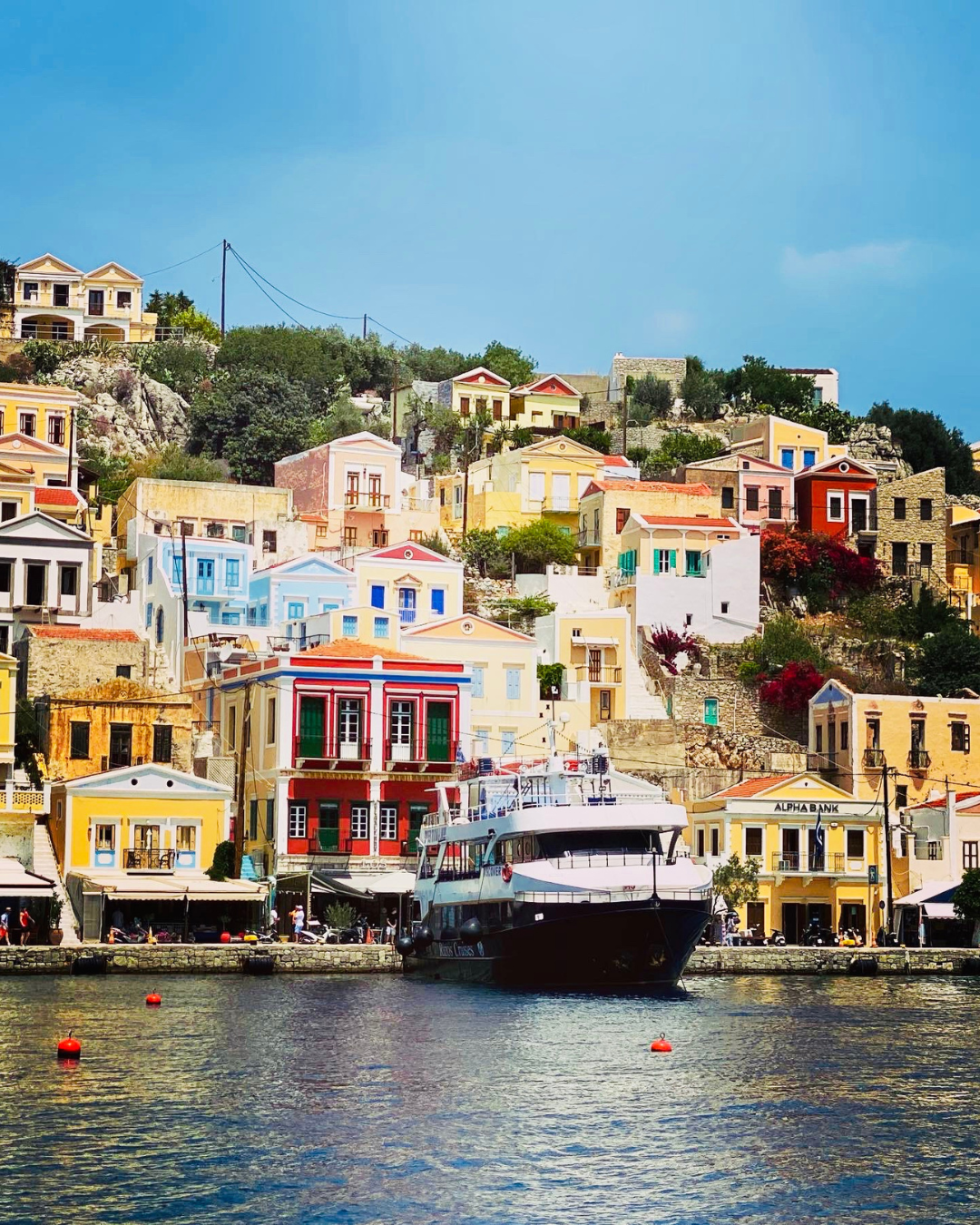
Choose Symi if visiting another island matters more to you than spending most of the day swimming. Start with island day-trip planning to see how an island visit fits your Rhodes holiday.
The key choice is between a trip centred on exploring Symi and one that also includes a bay stop. A destination day suits you if you enjoy time ashore between sea journeys. If swimming is your main aim, I'd choose a coastal swimming cruise instead.
My suggestion: compare destination boat trips from Rhodes first, focusing on time ashore rather than the headline duration. Two further options are the high-speed Symi trip with Saint George’s Bay and the Symi speedboat trip with free time to explore. Choose between them by the actual itinerary, not just the words “high-speed” or “speedboat”.
- Symi with a bay stop: suits you if you want an island visit with time on the water as well.
- Symi with free time to explore: suits you if the destination is the main attraction.
- Swimming-first holidaymakers: prioritise swim-stop lengths over adding another island to your itinerary.
Symi excursions versus scheduled ferries
An excursion packages a day around its route, stops and return journey. A scheduled ferry gets you between ports; you arrange your visit around its timetable. Neither is automatically better, but they solve different needs.
An indicative Rhodes–Symi ferry journey is 1 hour 30 minutes. That is not a universal crossing time, and it is not the duration of a full excursion. The service you choose determines your actual sailing time.
I'd choose an excursion for a planned day with the advertised stops included. A ferry makes sense if you prefer arranging your own time ashore and its timetable works for you. Ferry timetables change, so check both outward and return services together before booking.
- Excursion: compare the full itinerary, free time ashore and any swimming stops.
- Scheduled ferry: compare the ports, crossing times and return sailing; sightseeing and swimming are separate plans.
Lindos: arriving to explore versus cruising the coast
A boat trip to Lindos and a cruise departing from Lindos are different days. The first brings you there to explore; the second starts there and takes you along the coast. Look at the departure point and shore time before choosing.
The Faliraki to Lindos cruise with swim stops and free time belongs with arrival-and-exploring options. It suits you if you want the boat journey, swimming and a Lindos visit in one outing. If seeing Lindos thoroughly is your priority, weigh the free time against what you want to do ashore.
Lindos beach offers swimming beneath the acropolis and Temple of Athena Lindia. That gives you a possible activity during your visit, not a promised stop on every cruise. When planning time in Lindos, decide whether sightseeing or the beach comes first rather than trying to squeeze everything in.
- Boat to Lindos: choose this for arrival by sea followed by time to explore.
- Boat from Lindos: choose this for a coastal outing once you are already in the area.
- Sightseeing-first travellers: prioritise usable shore time over the number of swimming stops.
South-east coast and Navarone Bay outings
If you are already visiting or staying around Lindos, a local coastal outing is a different option from a destination excursion. Here, the coast and water are the reason to board. Arrange any sightseeing in Lindos separately.
The Lindos south-east coast cruise with swim stops suits travellers looking for a coastal swimming trip. The Lindos submarine cruise with a Navarone Bay swimming stop is another local option, with Navarone Bay named in the itinerary.
Neither replaces a Lindos visit simply because Lindos appears in the trip name. If you are staying elsewhere, include the journey to the departure point when deciding whether this outing fits your day.
Time ashore, swim stops and the return journey
Compare time ashore, sailing time and actual stops separately. Two trips with the same total duration can leave very different amounts of time for exploring or swimming.
For a destination day, I'd protect the part you most want to enjoy rather than chase the longest itinerary. More stops are not better if they leave you rushing the place you came to see.
- Time ashore: use the stated free time to judge whether your sightseeing plans fit.
- Sailing time: count both directions, not just the outward crossing.
- Actual stops: distinguish places you sail past from swimming stops and places where you go ashore.
- Return journey: include the scheduled return and travel back to your accommodation when planning your evening.
Chapter 4 of 14
Would a catamaran or sunset cruise suit you better?
Choose a daytime catamaran or sailing trip for time on the water, and a sunset cruise for an evening outing. The best fit depends on whether you want lounging, sailing and swimming, or coastal views with drinks as the light changes.
My suggestion: compare catamaran, sailing and sunset options first, choosing by the experience rather than the boat’s appearance. A catamaran can also run a sunset cruise, so these categories overlap.
- Daytime catamaran: choose this for relaxing aboard, with swimming and lunch when included in the itinerary.
- Sailing trip: choose this when the journey along the coast interests you as much as the stops.
- Sunset cruise: choose this for an evening together, coastal scenery and photography rather than a swimming-focused day.
Catamaran cruises
A daytime catamaran is a good match if you want to lounge between swimming stops and enjoy being aboard. It suits couples and friends who want a relaxed sea day rather than a trip built around sightseeing ashore.
The word “catamaran” alone tells you little about passenger numbers, luxury or meal quality. It also cannot promise a smooth ride: the particular boat, route and sea conditions matter. For comfort, focus on usable seating, shade and the number of guests sharing the space.
An additional option is the Rhodes catamaran escape with lunch and drinks. Compare its swim stops and onboard setup with your priorities; lunch and drinks are useful inclusions, but they are not a reason to overlook the atmosphere. For a closer comparison, see choosing a catamaran cruise.
- Best fit: you want lounging, coastal scenery and swimming in one outing.
- Less suitable: your main goal is time ashore or a packed sightseeing itinerary.
- Booking priority: enough comfortable space for the advertised passenger numbers, not simply an attractive boat photo.
Sailing trips
Choose a sailing trip if travelling along the coast is part of the pleasure, not just transport between bays. It can suit you even without a long sightseeing checklist, especially if you want time to talk and watch the shoreline.
If actual sailing matters to you, ask how much of the trip is normally spent under sail. Choose an itinerary that makes sailing central, rather than relying on a photograph of a yacht. If swimming matters more, give the planned stops more weight than the boat type.
- Sailing first: prioritise the sailing experience and time aboard.
- Swimming first: prioritise the stops and time in the water.
- Relaxing first: prioritise comfortable seating and the onboard atmosphere.
Sunset cruises from Rhodes
A Rhodes sunset cruise works best when you want the boat trip to be your evening outing. The appeal is watching the coastline, sharing food or drinks, and spending time together without building the trip around repeated swims.
The Rhodes sunset cruise with Greek BBQ and drinks is an additional choice if you like the idea of food aboard. Match the meal and drinks package to how you want to spend the evening, rather than choosing only by what is included.
Sunset suits evening photography, but the light and views depend on the conditions and route. Choose for the whole outing, not a guaranteed sunset photograph. For more help matching the atmosphere to your plans, see choosing a sunset cruise.
- Best fit: couples, friends and travellers who prefer scenery and atmosphere to active swimming.
- Less suitable: you would feel disappointed without several substantial swim stops.
- Booking priority: the route and onboard mood, including whether the evening is quiet or lively.
Sunset cruises from Lindos
A Lindos departure makes sense if you are staying nearby or already spending the day there. You can combine time ashore with an evening cruise instead of travelling elsewhere just to board a boat. Explore Lindos when planning the rest of your day.
The Lindos sunset cruise with Aperol, beers and wine is an additional option for an evening centred on drinks and coastal views. I’d choose it for that style of outing, rather than as a substitute for a swimming cruise.
Lindos beach offers swimming beneath the acropolis, but a sunset departure does not promise that swimming stop or a particular view. Use the advertised route to decide whether the cruise offers the scenery you want, and arrange your return around its finish.
Romantic does not have to mean private
A shared cruise can still feel special. Watching the coast together, sharing a meal or enjoying a swim can matter more than having the whole boat to yourselves.
For couples, I’d prioritise quieter seating and a relaxed onboard atmosphere over exclusivity. A lively social cruise may be fun, but it is a poor match if you want uninterrupted conversation. Look for an experience that suits both of you, rather than simply one labelled “romantic”.
You do not need to swim to enjoy an evening cruise if you are happy spending the outing aboard. Private hire makes more sense when having your own space is central to the occasion; otherwise, a well-chosen shared trip can be enough.
- For quiet time together: favour seating and atmosphere over the length of the drinks list.
- For a sociable evening: a shared cruise can add company without needing a party setting.
- For photographs: choose sunset for the evening light, while keeping expectations flexible about conditions and views.
Chapter 5 of 14
Which trips offer more than sightseeing and swimming?
Choose specialist boat outings when fishing, diving, marine life or speed is the main attraction. These are not interchangeable with a relaxed swim cruise: choose the activity you want first, then compare the route.
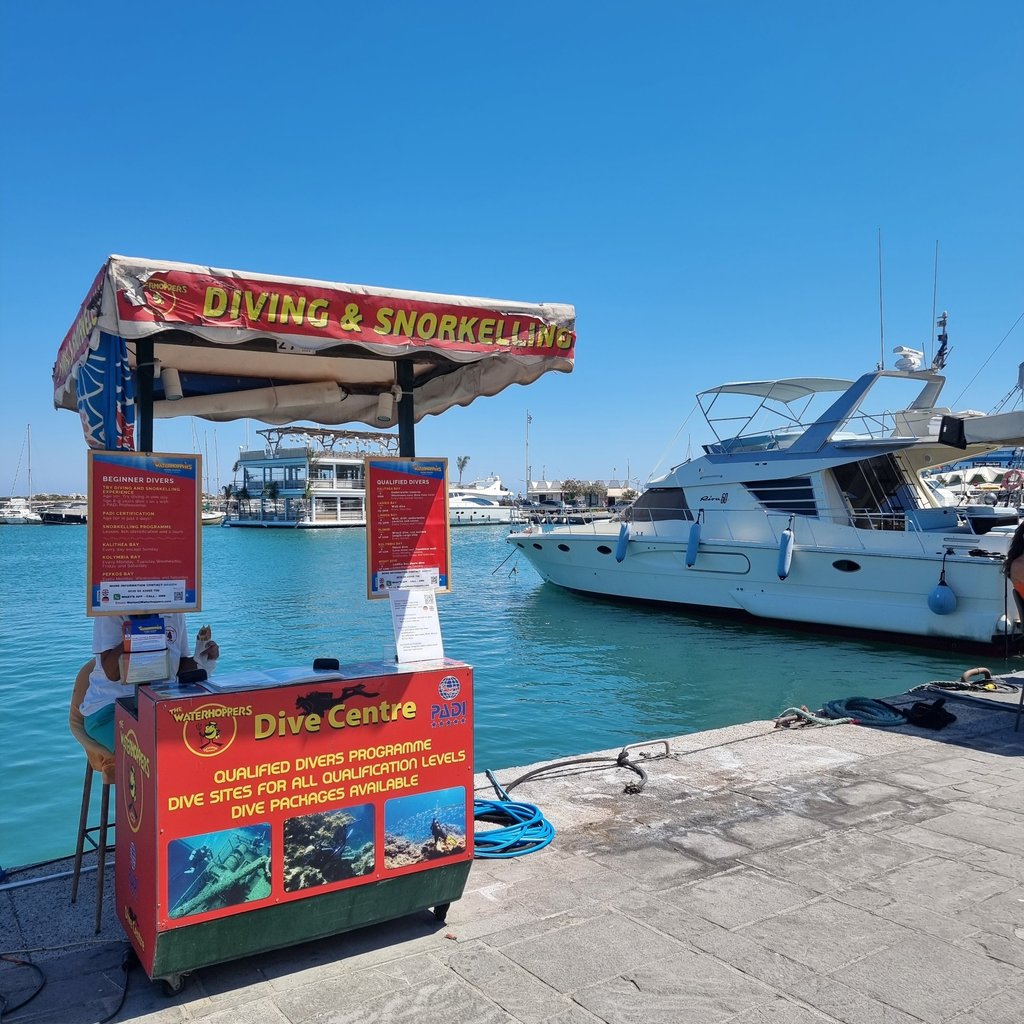
Speedboat outings
Choose a speedboat if the ride is part of the fun, rather than simply transport between swimming stops. It suits travellers who want a more active coastal outing. If your priority is stretching out and relaxing, I’d choose a slower cruise instead.
Routes to look for include Anthony Quinn Bay and Ladiko, cave-focused outings, and private rigid inflatable boats with custom routes. A cave name in a listing is not a promise that you’ll enter it. Access depends on the individual itinerary and sea conditions.
- Anthony Quinn Bay and Ladiko: a route idea for combining a faster ride with coastal swimming.
- Cave-focused speedboat outing: choose it for coastal exploration, but read what the advertised cave visit involves.
- Private rigid inflatable boat: worth considering when a tailored route matters more than a fixed group itinerary.
Glass-bottom and submarine-style trips
Glass-bottom trips suit you if you want to look underwater without swimming or snorkelling. Faliraki is one area to look for this type of outing. I’d put it ahead of a swim-focused cruise when underwater viewing is the main reason you’re booking.
Compare glass-bottom and submarine-style trips by the actual viewing arrangement, not just the name. Look at how you reach the viewing area and whether its seating and access suit your group. Underwater viewing does not guarantee particular wildlife or clear visibility.
Use the glass-bottom boat advice to decide whether this experience fits your expectations. Choose it for the chance to see below the surface while staying dry, rather than for a promised animal encounter.
Beginner and experienced diving
Choose diving when being underwater is the purpose of your day. It is a different activity from a boat trip with optional snorkelling, so match the session to your experience rather than choosing by scenery alone.
An extra option is the Rhodes diving adventure for beginners and experienced divers. Beginners should select the introductory option; experienced divers should choose a session suited to their qualifications and confidence. The individual booking sets the health, swimming and experience requirements.
- First-time diver: prioritise the instruction and support offered, not the number of advertised stops.
- Experienced diver: compare the planned dives and qualification requirements rather than booking a beginner session.
- Mixed group: establish whether non-diving companions can join before making this everyone’s boat day.
Fishing trips
Choose fishing if you want an activity to focus on between coastal views. It suits travellers who enjoy participation and patience; it is less appealing if everyone expects continuous swimming or sightseeing. A catch is never guaranteed.
The fishing trip with snorkelling, BBQ and a guide combines fishing with other activities. That makes it worth considering for a group with mixed interests, rather than choosing a fishing-only outing. Match the balance of fishing and snorkelling to what your group actually wants.
Read the fishing trip advice when narrowing your choice. My suggestion: choose by the fishing time and guidance offered, with the BBQ as a bonus rather than the main reason to book.
Marine-life experiences from Kamiros Skala
The marine-life boat experience from Kamiros Skala is an option when marine life interests you more than a general sightseeing itinerary. Choose it for that focus, not because you expect a particular species to appear. Sightings and underwater visibility cannot be guaranteed.
Kamiros Skala is the named departure location, so build your travel plans around that harbour. Before committing, read what the experience actually involves, including any water-based activities and participation requirements. This matters if someone in your group wants to remain aboard.
Sea kayaking as a separate alternative
The Pirates’ Route sea kayaking tour is a paddling activity, not a passenger cruise. Choose it if you want to take an active role in exploring the coast. It is not the equivalent of sitting aboard while a skipper takes you between stops.
You can compare water-sports options if paddling appeals more than cruising. Match the outing’s physical demands, swimming requirements and age rules to everyone taking part. Any cave access or coastal stops belong to the individual itinerary, rather than every kayaking trip.
West-coast and Monolithos route ideas
Look for west-coast and Monolithos outings in current listings if you want a different coastal route. These are route ideas, not guaranteed daily departures. Availability and the route offered depend on the operator and weather.
Choose the actual sailing route, not just a familiar place name in the title. A Monolithos coastal outing and time exploring Monolithos ashore are different plans; include land sightseeing only when the itinerary allows it.
If you want to add several west-coast stops, I’d rent a car rather than build a tight day around bus connections. Use the Rhodes getting-around advice to plan the land section, and leave enough time to reach the departure harbour.
Chapter 6 of 14
Private or group cruise: how much space and freedom do you want?
A group cruise suits a shared budget and a social day; a private boat suits travellers who want only their own group aboard. Choose private for privacy and agreed flexibility, not a promise of different destinations or empty bays.
Start by comparing private and shared boat options against the day you actually want. The useful differences are who shares the boat, how much space you have, and how much of the plan you can change.
Group cruises: shared cost and a social day
A group cruise is usually the better-value choice when you want a ready-planned day without organising a charter. You share the boat and its costs with other travellers, and follow the same route and stop schedule.
That shared atmosphere can be part of the appeal. You can meet people, enjoy the scenery together, and leave the decisions to the crew. The trade-off is that your favourite swimming stop cannot become a longer stay just because you want it to.
Choose the atmosphere as carefully as the route. A social swimming cruise and a party-style boat trip can feel very different, even when they visit similar bays. If quiet conversation matters, a music-led party trip is the wrong fit regardless of available deck space.
- Shared swimming cruise: suits travellers who want value, company and a set plan.
- Lively group cruise: suits friends who want the social atmosphere to be part of the day.
- Relaxed shared sailing trip: worth comparing if you want time together without paying for exclusive use.
Private trips: control within the agreed plan
A private booking gives your party exclusive use of the booked boat, with any crew included in the arrangement. It does not automatically mean a luxury boat. Its main benefit is sharing the space only with people you chose.
You may be able to agree the pace, stops and onboard atmosphere before departure. Staying longer at a swimming spot or changing the route depends on the charter terms, operating limits and conditions. The skipper still makes safety decisions, and private hire does not give you unlimited sailing time.
For an extra private choice, consider the Lindos full-day private sailing cruise. Match its current itinerary and terms to your plans, rather than expecting a fully custom day. Use the private boat hire advice to understand the booking arrangements before committing.
- Families: privacy can be worth paying for if having your own space and an agreed family-friendly pace matters. Exclusive use alone does not make a boat suitable for children.
- Couples: private makes most sense when uninterrupted time together is the priority, especially for a celebration. A relaxed shared cruise can still feel romantic.
- Friends: compare the whole charter cost divided by your group size with shared tickets. Staying together and choosing the atmosphere may matter more than luxury extras.
- Travellers happy with a fixed route: the extra cost may add little if sharing the boat would not bother you.
Small groups are not the same as private
A small-group cruise still means sharing with other bookings. You may have fewer fellow passengers, but the route and timetable remain shared decisions rather than yours alone.
Compare actual guest limits instead of relying on words such as “small”, “premium” or “exclusive”. A catamaran is a boat type, not a guarantee of quiet, and a lower-priced cruise is not automatically packed.
When comparing catamaran cruises, look at the guest limit and layout alongside the sailing experience. A small-group option can be a useful middle ground if you want fewer people without hiring the whole boat.
Passenger numbers and usable deck space
Total passenger capacity tells you how many people a boat can carry, not how comfortably everyone can spread out. A larger boat with separate seating areas may feel roomier than a smaller boat carrying fewer guests.
Boarding and meal service can bring everyone into one area, making photos look especially busy. Once underway, people may spread between seats, sunny deck areas and shade. Judge the spaces you will actually use, rather than one empty-deck photo.
Before paying, get the guest limit for your specific cruise and a clear view of its seating layout. Focus on shade, proper seats and how meals are served; those details tell you more than a headline capacity.
- Passenger capacity: the boat's maximum number is different from the guest limit sold for a particular trip.
- Shade: open sunbathing space is not a substitute for shaded seating.
- Seats: room to stand or lie down does not tell you whether everyone can sit comfortably.
- Meals: space can feel tighter when everyone gathers to eat, even if the deck feels roomy while sailing.
Crowded bays versus a crowded boat
These are two separate concerns. Your boat might have plenty of space while several other boats share its swimming stop. Equally, a quiet bay will not fix cramped seating aboard.
Peak summer, party-style trips and midday stops at famous bays can make the day feel busier. None tells you the exact passenger load on your departure. Compare the boat's guest limit and atmosphere rather than judging every summer cruise the same way.
A private trip can use timing or route flexibility to seek a quieter stop where the agreed plan allows. Morning or evening departures may also help with the feeling of space. Neither approach guarantees an empty bay, and private boats can visit the same popular places as shared cruises.
- Want privacy aboard? Exclusive use addresses that directly.
- Want more room aboard? Compare guest numbers, seating and usable shade.
- Want quieter swimming stops? Prioritise flexible timing and route choices, while accepting that other boats may be there.
My suggestion: pay extra for private only if having your own group aboard would genuinely improve your day. If you mainly want comfortable seating and a relaxed atmosphere, compare smaller shared cruises first.
Chapter 7 of 14
Should you book a half-day or full-day trip?
Choose a half-day boat trip in Rhodes if you want a shorter commitment, and a full day if the cruise is your main holiday plan. Compare the actual itinerary and total time away from your hotel, because “half-day” and “full-day” labels vary.

Half-day trips: leave room for other plans
A half-day trip suits you if you want a taste of the coastline without giving the whole day to it. It leaves more room for sightseeing, beach time or a quiet afternoon at your hotel.
Shorter does not mean less scenic. A coastal trip can give you lovely sea views and enjoyable swimming without a longer journey to another destination. The trade-off is less time to settle in between activities, depending on the itinerary.
If someone in your group is unsure about spending time aboard, I’d start shorter. That limits the commitment, but the route, boat and sea conditions still matter for comfort.
- Choose it for flexibility: you want a boat experience alongside other holiday plans.
- Choose it for a first try: someone is interested but hesitant about a whole day at sea.
- Choose carefully if swimming is your priority: a short trip with lengthy sailing sections may leave less swim time than you want.
Full-day trips: make the cruise your main activity
A full-day cruise makes sense when being on the water is the point of your day. You have more time to settle into the rhythm of sailing, swimming and relaxing between stops.
The extra time need not mean extra activity. It may mean longer breaks, more time to chat, or an unhurried meal if food is part of the trip. That slower pace is a benefit if you want to switch off, but less appealing if you need constant entertainment.
A full day can feel too long when much of it is crossing time rather than the experience you wanted. Limited comfortable seating also matters more over a long day. I’d avoid squeezing a full-day cruise between an early outing and a fixed evening commitment.
- Choose it for downtime: you enjoy watching the coastline and relaxing as much as swimming.
- Choose it for a destination visit: the time ashore matters enough to justify the journey.
- Skip it if your schedule is already packed: more hours aboard are not automatically better value for your holiday.
Sailing time versus swimming and time ashore
Compare what fills the day, not just its advertised length or number of stops. Two trips of similar duration can feel very different if one focuses on swimming and another on reaching a destination.
A swimming stop is not the same as free time ashore. For a destination excursion, look at how much time you actually get to explore after the outward and return journeys. For a swim cruise, the length of each stop can matter more than how many bays appear in the description.
- Sailing time: enjoyable if you like the journey itself; less rewarding if you are waiting to swim or explore.
- Swimming time: compare the planned stop lengths, not just the list of locations.
- Time ashore: decide whether it gives you enough room for the walk, meal or sightseeing you want.
- Rest time: longer gaps between activities can make a full day feel calmer rather than busier.
Families, couples and busy itineraries
For families, weigh extra swimming stops against boredom between them, naps, meal timing and time in the heat. Children may love the boat, spotting fish and getting back into the water. But extra stops are less useful if everyone is tired before reaching them.
I’d choose a shorter trip when naps or predictable meals shape the day. A full day can suit children who enjoy swimming and cope well with quieter stretches aboard. Shade, seating and the gap between activities deserve as much attention as duration.
For couples, neither option is automatically more romantic. A full day gives you time together without rushing, while a sunset cruise may fit better if you want an atmospheric outing rather than a whole day aboard. Choose the mood you both enjoy, not the longest option.
If you have a busy itinerary, keep the rest of your cruise day light. Use the Rhodes itinerary ideas to spread bigger outings across your stay rather than stacking them around the boat trip.
Count hotel transfers in the total day
Your boat day starts when you leave the hotel, not when the boat departs. Add both transfers, meeting time and any waiting to the advertised cruise duration.
Hotel pickup may be included, optional or unavailable, depending on the trip. Included pickup still takes time, especially when the transfer collects other passengers. A shorter cruise with a long transfer can take more of your day than you expected.
Before booking, establish your expected hotel departure and return times alongside the sailing schedule. Choose the option that fits that whole window, leaving room to rest or change afterwards.
My suggestion: compare boat trips by duration, then look at how each itinerary divides that time between sailing, swimming and exploring ashore.
Chapter 8 of 14
What should you pay, and is luxury worth more?
The useful price is the total for your group, including transport and anything you will buy aboard or ashore. Paying more is worthwhile when it buys space, comfort or flexibility you actually want—not simply a “luxury” label.
Compare the live price on each card by its booking unit: per person, per group or per hour. A group fare is not a ticket price for each passenger. For self-drive rental, count the hours you want and read the fuel, deposit and skipper terms; for sailing, compare the included food, drinks and stops. The final price and availability depend on your date and chosen option.
Compare the full cost, not just the ticket
Start with current boat-trip prices and inclusions; prices and availability change. Compare trips for your actual group size, rather than judging them by the advertised starting price.
A ticket with lunch and drinks included can be better value than a lower fare with several extras. But a basic ticket may suit you better if you want to eat ashore and need little onboard service.
- Tickets: add the fares for everyone travelling.
- Transport: include getting to the departure harbour and back unless transfers are included. Use the Rhodes transport options to plan that part of your budget.
- Food and drinks: count anything you expect to buy aboard or during free time ashore.
- Equipment and activities: add any separately charged equipment or optional activities you intend to use.
What changes the price
The main price differences come from duration, boat type, passenger numbers and what is included. Shared versus private booking also changes what you are paying for: individual places or a boat for your own group.
Budget and premium cruises can visit the same coastline and similar swimming bays. A higher price often buys a different experience aboard, rather than access to a better destination.
- Duration: longer cruises generally cost more. Compare the actual itinerary, because extra hours are only useful if you want that time aboard.
- Boat type: traditional excursion boats are usually more affordable than catamaran or sailing options. Compare the layout and facilities as well as the boat’s name.
- Passenger numbers: fewer guests can mean more personal space, but boat size and seating matter too.
- Inclusions: meals, drinks and equipment affect the total. A snack and one drink are not equivalent to lunch and a wider drinks package.
- Booking type: a shared fare buys your places on a scheduled trip. Private hire buys use of the boat for your group, with flexibility agreed when booking.
When a budget cruise makes sense
Choose a budget cruise when the route, swimming and time on the water matter most. A lower ticket price does not mean poor quality, and a simple outing can still feel special.
Shared cruises suit you if you enjoy company and prefer a planned day without organising the details. They can be a better fit than private hire when you have no particular need for privacy or control over the pace.
I’d keep the cheaper option if it offers the stops you want and comfortable enough conditions for your group. I’d reconsider if quiet, personal space or a slower pace is central to the day you have in mind.
- Budget: pay for the route and basic experience.
- Premium: pay for specific comforts that matter to you.
- Private: pay for your own group and the agreed flexibility.
When paying more improves the day
Paying more makes sense when the extra buys something concrete: fewer passengers, more space, better seating or a meal you want. These details matter more than a luxury label, which alone proves little about space or service.
For a celebration or a quiet day together, atmosphere may be worth more than another swimming stop. If a catamaran is on your shortlist, compare what a catamaran cruise offers with the cheaper trip—not just the photographs.
All-inclusive can be good value when you would otherwise buy lunch and drinks during the trip. It also keeps the day simple, with fewer separate purchases to think about.
Its value is weaker if you will barely use the package or would rather choose a restaurant ashore. Read the meal and drinks details once before paying: “all-inclusive” needs a clear list of what is covered, including any limits.
- Space: look for a stated passenger limit alongside the boat layout.
- Comfort: identify the seating, shade and facilities included in the higher fare.
- Food and drinks: choose a package that suits what your group will actually eat and drink.
- Pacing: pay attention to time at the stops, not only the total cruise duration.
Private hire: compare the whole-group total
Compare a private quote with the cost of shared tickets for everyone in your party—not with one person’s fare. Include the same transport, meals, drinks and equipment on both sides of the comparison.
Then divide the private total by the number of people actually travelling. This gives you a useful per-person comparison without relying on the boat being filled to its maximum capacity.
Private does not automatically mean luxury. Its main value is having the boat to yourselves and agreeing a pace or itinerary that suits your group.
Use private boat hire options when that freedom matters enough to justify the total. Get one clear quote covering the duration, route, inclusions and any extra charges, with the requested flexibility agreed before you pay.
- Shared total: everyone’s tickets, plus transport and expected extras.
- Private total: the whole-boat quote, plus anything excluded and your transport.
- Worth paying more: your group values privacy, its own atmosphere or an agreed change of pace.
- Better to stay shared: you are happy with the scheduled route and would gain little from having the boat to yourselves.
My suggestion: shortlist two trips with the route you want, then compare their full group totals. Pay the difference only when you can name what makes the more expensive option better for you.
Chapter 9 of 14
When should you go, and what happens if it is windy?
Choose your departure time for the experience you want, but let current conditions guide weather-sensitive decisions. Morning suits a daytime swimming plan; sunset suits an evening atmosphere, but neither guarantees calm water or fewer passengers.

Morning versus sunset
Start with what you want to do, rather than which departure sounds calmer. A daytime swimming cruise and a short evening sailing serve different purposes.
Morning is not a promise of smoother sailing, clearer snorkelling water or a quieter boat. Passenger numbers depend on the cruise and bookings; comfort depends on the route, boat and conditions that day.
A short sunset trip is a different experience, not an incomplete full-day cruise. Choose it for the evening light and time together, rather than expecting a full programme of swimming stops. Compare sunset cruise options if that atmosphere matters more than time in the water.
Two outings can make sense if they offer something genuinely different: a daytime swim cruise and an evening sailing. I'd spread them across separate days rather than turn one holiday day into a long stretch aboard. Compare available departures for timing and duration; departure listings are not a weather forecast.
- Morning departure: choose a swimming-focused itinerary if swimming and snorkelling are your priorities.
- Sunset departure: choose it for evening scenery, photographs and a relaxed end to the day.
- Both: worthwhile if you want two distinct experiences, rather than two similar routes at different times.
Season, heat and time outdoors
There is no single best month that guarantees comfortable sailing. Rhodes has summer winds, including the Meltemi, so the day's conditions matter more than a seasonal label. Use the Rhodes seasonal planning advice to choose your holiday period, then assess the sailing conditions nearer departure.
Think about total time outdoors, not just when you board. A morning departure can still keep you aboard through the hottest part of the day. If heat tires you out, I'd favour a shorter outing with usable shade over a long cruise chosen only for its early start.
Shade matters during sailing and stops, particularly when you are not swimming. Look for covered seating you can actually use, rather than judging the boat only by its sun deck. An evening outing reduces your midday exposure, but it is not a substitute for a daytime swimming trip.
Why route and conditions matter
Wind affects routes differently around Rhodes. An exposed west-coast outing, an open-water crossing and a cruise between coastal bays can feel very different on the same day. East-coast bays may offer shelter, but that does not make every east-coast journey calm.
Faster crossings can make chop more noticeable, so the shortest journey is not automatically the most comfortable. If motion worries you, choose around the actual route and expected conditions rather than speed alone.
Larger excursion boats and catamarans can feel steadier, but neither makes every departure comfortable. Paying more cannot remove the effects of rough water. When comparing catamaran cruises, consider the route as carefully as the boat.
There is no useful universal wind threshold for choosing a holiday cruise. Boat design, wind direction and exposure all matter. Get the operator's route-specific advice rather than deciding from a wind number alone.
Changed stops, delayed departures and cancellations
A windy forecast does not automatically mean your trip will be cancelled. The captain may change the route or swimming stops when conditions require it. A named bay on the itinerary is not worth reaching at the expense of safety.
Departure timing may also change, or the sailing may be cancelled. Keep your booking contact reachable and follow the operator's instructions about when to arrive. Leave some breathing room after the planned return rather than arranging a tight onward connection.
Before paying, read the weather-cancellation and rescheduling terms once. Look at what happens if the operator cancels, what happens if you choose not to travel, and whether another date is possible. Refunds and replacement departures depend on those terms and availability.
Leave room to move the trip
My suggestion: put your most important boat trip earlier in the holiday, especially if you would be disappointed to miss it. That leaves another possible day if conditions force a change. Booking your only sailing on the final day removes that option.
Keep at least one later day flexible rather than filling every day with fixed bookings. You can swap a land-based outing with the boat trip if a replacement departure is available. This is useful flexibility, not a guarantee that another sailing will have space.
If you want both a morning swimming trip and a sunset cruise, leave room between them where possible. You get two different experiences without making either one difficult to move.
Chapter 10 of 14
Which boats work for children, non-swimmers and older travellers?
Boat trips that fit your group start with the people travelling, not just the destination. Choose manageable days for children, worthwhile scenery for non-swimmers, and easy boarding and comfortable seating for anyone with limited mobility.

Children: manageable length and close supervision
For children, a shorter coastal outing is often a better starting point than a long island crossing. The boat itself, spotting fish and eating between stops can make the day feel like an adventure.
Relaxed swim cruises can work well when your children enjoy the water and the duration matches their energy. They also save you organising transport between beaches. A full day is less appealing if your child tires quickly or dislikes long stretches of sitting.
An interactive outing, such as a glass-bottom boat trip, gives children something to focus on without making swimming the whole point. I'd favour that over a long crossing for a child who gets bored with sightseeing.
A private boat can help you plan around your family's pace, subject to the agreed route and conditions. It does not remove the need for close adult supervision, and a smaller boat is not automatically easier with children.
- Duration: choose a trip your child can comfortably finish, rather than the one with the most stops.
- Facilities: prioritise shaded seating, an onboard toilet and space where your child can sit comfortably.
- Safety equipment: arrange properly fitting child life jackets with the operator before booking.
- Supervision: keep an adult responsible for watching children aboard and during any water activity. Crew assistance is not childcare.
- Activities: choose swimming, fish spotting or other activities your child already enjoys. Jumping and cave exploration are not reasons to relax supervision or crew rules.
Non-swimmers: choose a day worth enjoying aboard
You can enjoy a Rhodes boat trip without entering the water. Coastal views, photography, food and the sailing atmosphere can be enough to make it a good day.
Staying aboard during a swim stop need not feel awkward. Choose a boat with comfortable shaded seating, and think about how you would spend each stop while others swim.
I'd choose scenery, time ashore or an evening outing over a trip built mainly around snorkelling. Sunset cruises are especially worth comparing when you want the sea experience without making swimming the main event.
- Shared meal-included day: compare the Rhodes all-inclusive day cruise with BBQ and drinks if eating together and coastal scenery appeal. Weigh the time aboard during swim stops against the parts of the day you will enjoy.
- Sailing-style day: compare the Rhodes catamaran escape with lunch and drinks if the boat journey itself is part of the attraction. Look at seating, shade and layout rather than choosing on the word “catamaran” alone; compare catamaran cruise experiences before deciding.
- Destination outing: compare the Symi high-speed trip with Saint George’s Bay if exploring Symi matters more than swimming. Look at the balance of crossing time, time ashore and the bay stop for your departure.
- Snorkelling-focused trip: a weaker match if you will skip most of the main activity. A scenic cruise may give you better value.
Less confident swimmers: water entry is optional
You do not need strong swimming skills to enjoy a sightseeing or relaxed swimming cruise. You can stay aboard throughout, or decide at each stop whether you feel comfortable entering.
Many coastal swim stops use sheltered bays, but open water can still feel different from a pool or beach. Tell the crew about your confidence before entering, and follow their instructions for that stop.
Life jackets and flotation aids are commonly offered, but arrange the right support with the operator when booking. Equipment does not replace supervision or make every swimming activity suitable.
If you do enter, there is no need to swim far from the boat. Stay within the crew's permitted area and return before you feel tired. You can skip the next stop without missing the whole day.
- Choose an easy exit: a usable swimming ladder and handholds matter as much as getting into the water.
- Keep the decision open: you can enjoy the view first and decide against swimming.
- Match the activity: a relaxed dip is different from a snorkelling excursion that expects sustained time in the water.
- Avoid pressure: being with confident swimmers does not mean you need to copy them.
Strong swimmers: choose water time, not fewer rules
If swimming is your priority, compare the time allocated to each stop and the type of activity. More named bays do not necessarily mean more time in the water.
A relaxed swim cruise suits floating, short swims and gentle snorkelling near the boat. A dedicated snorkelling boat trip may be a better match when exploring underwater is the main reason you are booking.
Strong swimming ability does not change the crew's limits. Follow the same entry instructions, swimming boundaries and return times as everyone else. A sightseeing cruise is not a supervised long-distance swim.
- Water time: compare actual stop duration, not just the number of stops.
- Activity style: distinguish casual swimming from guided snorkelling or other specialist activities.
- Mixed groups: choose a day with worthwhile scenery and comfortable seating for companions who will stay aboard.
- Crew limits: enter only when permitted and return when instructed, even if you feel able to swim farther.
Seniors and travellers with limited mobility
Choose by mobility, balance and stamina rather than age alone. A comfortable cruise can mean less walking than a sightseeing day, with scenery and meals enjoyed without moving between venues.
Mid-size cruises, sailing trips and short scenic outings are all worth considering, but the individual boat matters most. Neither a boat category nor a premium label tells you how easy boarding or moving around will be.
Before paying, describe your mobility needs and any walking aid to the operator. Request details or photos showing the boarding steps, handholds and route between your seat and the toilet.
For anyone who tires easily, I'd favour a shorter scenic route with shaded seating over a busy itinerary. Swimming can remain optional, but anyone planning to enter the water also needs a workable way to climb back aboard.
- Boarding: look for manageable steps and secure handholds at embarkation and any planned shore stops.
- Seating: prioritise a comfortable shaded seat and enough room to change position.
- Toilets: availability alone is not enough; the route and steps down to the toilet also matter.
- Moving around: consider narrow passages, changes in deck level and access to meals.
- Mobility aids: agree arrangements for carrying, storing and using your aid before booking.
- Pacing: include time ashore in your decision. A destination outing can involve more walking than a cruise spent mainly aboard.
Chapter 11 of 14
How can you stay comfortable and safe aboard?
Comfort depends on the actual boat, while safe swimming depends on the conditions and crew instructions. Before booking, give shade, seating, toilets and a usable swim ladder as much attention as the route.

Shade, seating and toilets
Some shade is not the same as enough shaded space for everyone. Assigned seats are not universal either, so a ticket may not reserve a particular seat or covered spot.
Many excursion boats have toilets, but facilities vary, especially on smaller craft. If shade, supportive seating or toilet access is essential, get those details for the actual boat before booking.
- Traditional excursion boats: usually offer covered seating and space to move between sun and shade. The layout and passenger numbers still matter.
- Catamarans and sailing boats: look at the balance between shaded seating and open lounging areas. A sun deck is useful for sunbathing, but less helpful if you need a supported seat.
- Smaller adventure craft: focus on the seat design, shelter and toilet provision. Choose them for the experience you want, rather than expecting the facilities of a larger excursion boat.
Boarding and getting back out of the water
Boarding at the harbour and returning from a swim are two separate challenges. A boat that feels easy to board may still have a ladder that is difficult for you to climb.
If you have limited mobility, explain your needs before booking. Get clear details about steps, handholds, the swim ladder and available crew help, including the route to the toilet.
Use handholds, move carefully on wet decks and follow the crew’s instructions at the ladder. Wait until the person ahead has cleared it, and return before you become tired.
Seasickness and choosing your seat
Seasickness can happen on any boat, even during a trip that other passengers find comfortable. Coastal swimming cruises and longer open-water crossings can feel quite different, so match the journey to your tolerance.
Tell the crew if you are prone to motion sickness and ask where to sit. A position with fresh air and a clear view of the horizon may help; the best available seat depends on the boat.
If you are considering a catamaran cruise, remember that two hulls do not guarantee freedom from seasickness. Speed alone does not predict it either: the conditions, boat movement and your own sensitivity all matter.
- Stay hydrated: drink water regularly rather than waiting until you feel thirsty.
- Eat lightly: avoid setting off hungry or having a heavy meal just before boarding.
- Look towards the horizon: put down your phone or book if looking down makes you feel worse.
- Plan preventive medicine: ask a pharmacist about a suitable option and when to take it. This matters especially for children or anyone taking other medication.
- Speak up early: tell the crew when you start feeling unwell rather than waiting until symptoms become difficult.
Life jackets and the crew briefing
Listen to the safety briefing even if you have taken boat trips before. Learn where the safety equipment is, how to use it and what the crew expects during sailing and swimming stops.
Ask the crew to help you fit a suitable life jacket and wear it when instructed. For children, arrange the correct size before departure rather than relying on whatever is nearest.
Flotation aids do not replace swimming ability or close supervision. Tell the crew if you cannot swim, and keep children supervised throughout the trip.
- Understand the signals: know how the crew will call swimmers back aboard.
- Use suitable equipment: follow the crew’s advice about life jackets and any swimming aids.
- Clarify anything you miss: ask for instructions again before entering the water.
Swimming boundaries and when to stay aboard
Wait for the crew’s permission before entering the sea, then stay inside their swimming area. Keep the return point in sight and follow the limits even if you are a strong swimmer.
Clear water can look inviting without telling you how deep it is or how easy the return will feel. Stay within your ability, avoid swimming alone and leave yourself enough energy to climb back aboard.
Stay aboard if you feel seasick, dizzy, tired or otherwise unwell. Swimming is not a remedy for seasickness, and a missed swim is better than struggling in the water.
You can enjoy the coastline without swimming. If that is your preference, a scenic sunset cruise may suit you better than a day built around repeated water stops.
Speedboats and longer crossings
A fast boat is not automatically uncomfortable, and a slow boat is not automatically gentle. Smaller adventure craft, larger excursion boats and sailing boats move differently, so there is no comfort ranking that suits everyone.
For a speedboat trip, pay close attention to the seating and the crew’s instructions about staying seated and holding on. If jolts or balance are a concern, discuss the actual ride before choosing it.
For a longer crossing, judge comfort across the whole journey, not just the destination stop. A usable toilet, a comfortable seat and protection from the sun become more important when you spend longer aboard.
If motion sickness worries you, I’d choose a shorter coastal outing before committing to a longer island crossing. It gives you a less demanding starting point, without promising a motion-free trip.
My suggestion: compare Rhodes boat trips by the facilities you need first, then choose the route you like.
Chapter 12 of 14
What is included, and what should you bring?
Food, drinks and equipment depend on your boat-trip package, so pack around the actual inclusions. Meal-included swimming cruises, sunset drinks packages and destination outings can leave you needing quite different things.

Meals, BBQs and snack-only trips
Many swimming cruises include a Greek BBQ or buffet-style meal alongside their swimming stops. That suits a full day on the water when you want lunch arranged, but the menu still matters.
Match the food package to the time you’ll spend away. A snack-only trip can work well between meals; it needs more planning if it runs through lunchtime.
- Meal-included swim cruise: useful if you want to swim, eat aboard and avoid arranging a separate lunch.
- Sunset cruise: food may mean dinner, light snacks or no meal at all. Compare sunset cruise options before deciding whether to eat beforehand.
- Destination outing to Symi or Lindos: lunch may be separate. Leave room in your budget and shore time for a meal unless one is explicitly included.
- Basic or snack-only trip: included refreshments may be limited. Paid food and drinks depend on the boat, so plan around the stated service.
Drinks packages and all-inclusive wording
“Drinks included” can mean one drink, selected drinks with a meal, or a wider package. Wine, beer and soft drinks feature on many meal-included cruises, but the exact selection varies.
Read the included drinks, serving arrangements and any limits together. Unlimited drinks need to be explicitly offered; the words “all-inclusive” alone are not enough.
For a full-day trip, make drinking water part of that comparison. If it is not supplied, arrange to bring enough rather than relying on an onboard bar.
An inclusive package suits you if you want fewer separate purchases during the day. It is less useful to pay extra for drinks you won’t have, and the label says nothing about meal quality.
Vegetarian options, allergies and bringing your own food
Arrange vegetarian meals, allergies and other dietary needs directly with the operator before booking, not while boarding. Explain what you need and get a clear answer about the meal they can provide.
For an allergy, discuss ingredients and the risk of contact with other foods, not just whether a dish sounds suitable. Choose another package if the catering cannot meet your needs.
Bringing your own food or drinks depends on the operator’s rules, including permission for outside alcohol. Where permitted, familiar snacks can help children between meals, especially on a full-day outing.
You rarely need a large picnic when a suitable meal is already included. For a longer family trip, concentrate on meal timing and useful snacks rather than packing duplicate meals.
Sun protection, swimwear and a towel
Keep the essentials simple and pack them in one small bag. Sun protection matters even when the boat has shade, and towels are not automatically part of an inclusive package.
- Sun protection: high-SPF sunscreen, sunglasses, a hat or cap, and a light cover-up if needed.
- Swimwear: bring it for any planned swimming stops.
- Towel: pack one unless your booking explicitly includes it.
- Waterproof phone protection: use a suitable pouch or case against splashes and wet belongings.
- Light layer: useful for the breeze, sailing and the return after sunset.
- Personal essentials: any medication you need, plus water and suitable snacks where needed and permitted.
Phone protection, a light layer and small extras
Keep your phone protected between photos rather than leaving it beside wet towels or swimwear. A waterproof pouch is a practical extra, but follow its instructions before taking it into the water.
For sailing and catamaran trips, keep your light layer accessible while the boat is moving. It is also useful on evening trips when you are no longer sitting in warm sunshine.
A full-day outing needs enough sunscreen, water and personal essentials to last beyond a short swim stop. For families, focus on the few things your children regularly need rather than bringing every possible extra.
Snorkelling equipment, bags and cash
See which snorkelling equipment is supplied before packing your own. Your own mask can help with fit, especially for children, but there is little benefit in carrying duplicate gear.
If snorkelling is the main reason you’re booking, compare snorkelling boat trips and their equipment inclusions. A swimming stop and a fully equipped snorkelling outing are different offers.
Use a small, manageable bag and keep valuables with you. Leave bulky luggage and unnecessary valuables at your accommodation rather than relying on secure onboard storage.
Some cash can help with incidental purchases, particularly during time ashore. Carry it as a useful backup, not because boat trips necessarily require cash.
My suggestion: compare the meal, drinks and equipment included when choosing between Rhodes boat trips. A package that covers what you actually need is more useful than an “all-inclusive” label alone.
Chapter 13 of 14
Where do trips leave, and is hotel pickup included?
Rhodes trips leave from several areas, and hotel pickup belongs to your individual booking—not boat trips as a whole. Start with boat trips with departure and pickup details to compare the cruise and the journey to its harbour together.
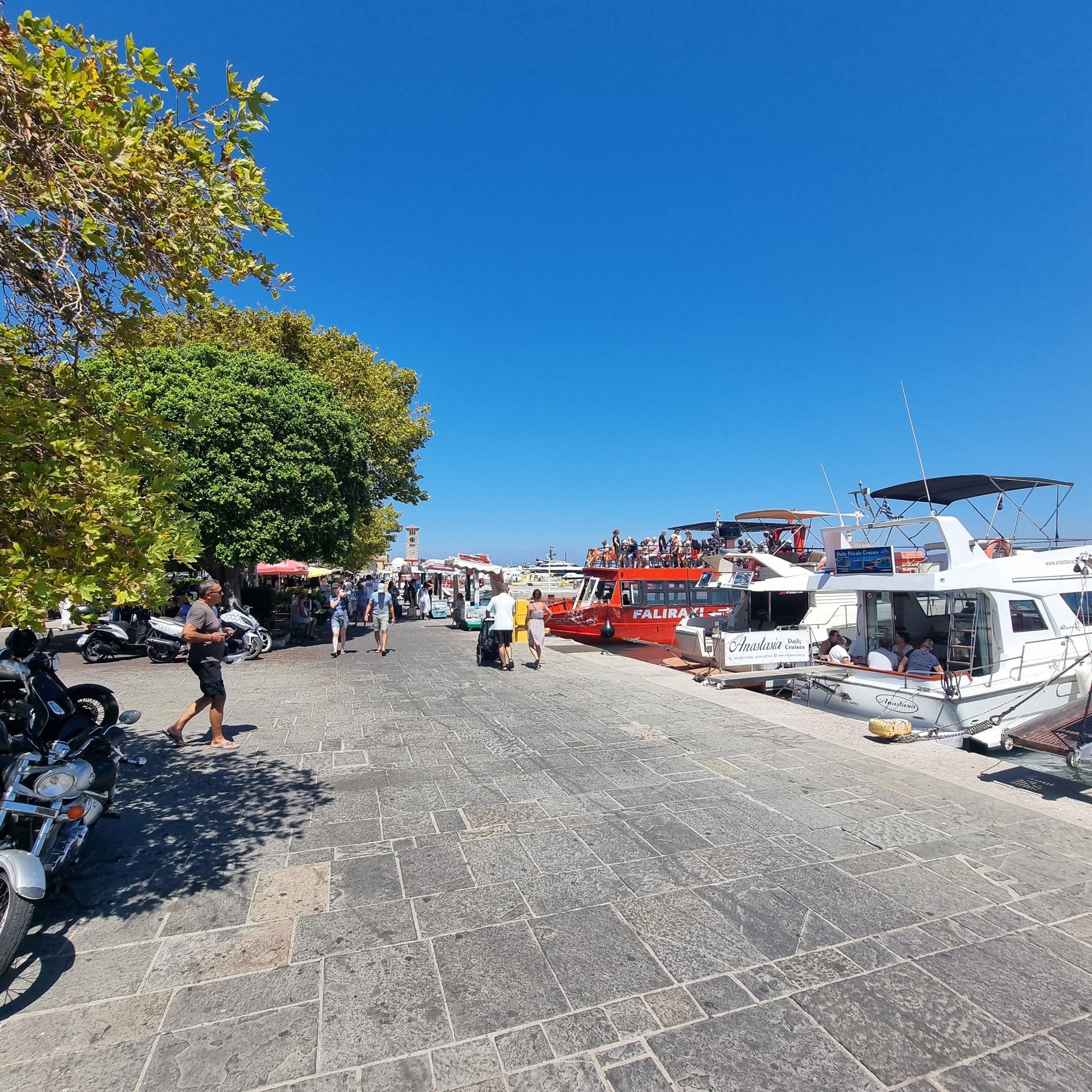
Rhodes Town departures
Rhodes Town has the widest choice, with departures from Mandraki and nearby harbours. It is a main starting area for Symi excursions and east-coast swimming cruises.
For stays in Rhodes Town, Ixia or Ialyssos, this is a sensible place to start comparing options. Your hotel location still matters: staying in the north does not automatically mean you can walk to the boat.
“Rhodes Town departure” is an area description, not a meeting point. Follow your booking’s exact location and required arrival time, rather than heading to whichever harbour you recognise.
- Best for: Travellers staying in the north who want a broad choice of cruises.
- Main trade-off: A town departure can add a substantial road journey if you are staying in the south.
Faliraki departures
Faliraki offers a convenient east-coast starting point, especially if you are staying nearby. For a coastal swimming trip, it is worth comparing these departures before committing to travel into Rhodes Town.
If you are based in Afandou or Kolymbia, compare the actual meeting point with your hotel’s location. Faliraki may simplify your day, but neither the resort name nor the cruise’s departure area promises hotel pickup.
Short coastal cruises and local day boats are often meet-at-the-boat options. That can work well when you are close by, without adding a shared transfer to a short outing.
- Best for: Travellers staying around Faliraki and the central east coast who want a straightforward coastal trip.
- Main trade-off: A convenient departure is only useful if the cruise itself offers the experience you want.
Lindos and south Rhodes departures
Lindos and south Rhodes departures suit travellers looking for scenic coastal cruises without first travelling north. If you are staying in Lindos, Pefkos or Lardos, start by comparing nearby options.
For Kiotari and Gennadi stays, weigh a southern departure against the full journey to Rhodes Town. A nearby boat can save effort, particularly when you want a relaxed swim outing rather than a specific island excursion.
Read the departure details carefully: a cruise visiting Lindos is different from one leaving Lindos. “South Rhodes” also covers an area, so use the booking’s precise meeting location.
If you are still choosing your holiday base, compare the resort areas in the Rhodes Island Guide alongside your preferred departure. Neither a southern base nor a nearby cruise guarantees pickup.
- Best for: Travellers staying in the south who want coastal scenery and less road travel.
- Main trade-off: You may still need to travel farther for a particular route or boat experience.
Kamiros Skala departures
Kamiros Skala is a west-coast departure point associated with quieter, nature-focused boat experiences. It is worth considering when that style of day appeals more than a busy sightseeing cruise.
For travellers staying on the east coast, the journey here needs its own place in the plan. Choose the experience first, then decide whether the outward and return transport fit your day.
If you already have a rental car, driving may be the simplest option. Allow time to park and reach the meeting point; arriving in the harbour area is not the same as being ready to board.
- Best for: Travellers specifically seeking a quieter west-coast or nature-focused outing.
- Main trade-off: A less convenient departure can add effort if your hotel is elsewhere on the island.
Hotel pickup versus meeting at the harbour
Some cruises include hotel pickup, some sell it as an extra, and many require you to reach the harbour yourself. Full-day and premium cruises are more likely to offer organised transport than short local trips.
Some Symi excursions offer paid pickup depending on your location. Short cruises, budget day boats, and Faliraki or Lindos departures are more likely to use a harbour meeting point.
- Included pickup: Useful when you want less organising. Read the pickup location, collection time and return arrangements for your selected booking.
- Paid pickup: Compare the cruise-plus-transfer total with arranging transport separately. “Pickup available” does not mean it is included in the displayed fare.
- Shared transfer: Convenient, but other hotel collections can add waiting and road time. Include that time when judging the length of your day.
- Independent travel: Walking, driving, a taxi or a suitable bus can give you more control. You are responsible for reaching the meeting point by the required time.
Plan the return as well as the outward journey
A cruise’s return time is not the time you will reach your hotel. Allow for getting off the boat, reaching your transport and any shared-transfer waiting.
For organised pickup, establish whether the booking also includes the return transfer and where it drops you off. For independent travel, plan both directions before paying, especially for an evening cruise.
When planning travel by bus, use current services for both journeys and allow time between the stop and the boat. Bus services change seasonally, so build the plan around the return as well as the outward departure.
If separate transport is needed, arrange a harbour transfer using the boat’s exact meeting point and return details. Another option is to contact GES Travel on WhatsApp to enquire about transport for your hotel and cruise.
Avoid putting a tightly timed dinner or another booking immediately after the cruise. A little space in your evening plan makes the journey back much easier.
My suggestion: If two cruises offer the day you want, choose the easier departure. But a longer transfer can be worthwhile for an experience you genuinely prefer.
Chapter 14 of 14
How far ahead should you book?
Book ahead if you want a particular boat, date or departure time. Leave it later only if you can be flexible about when you go and which cruise you choose.
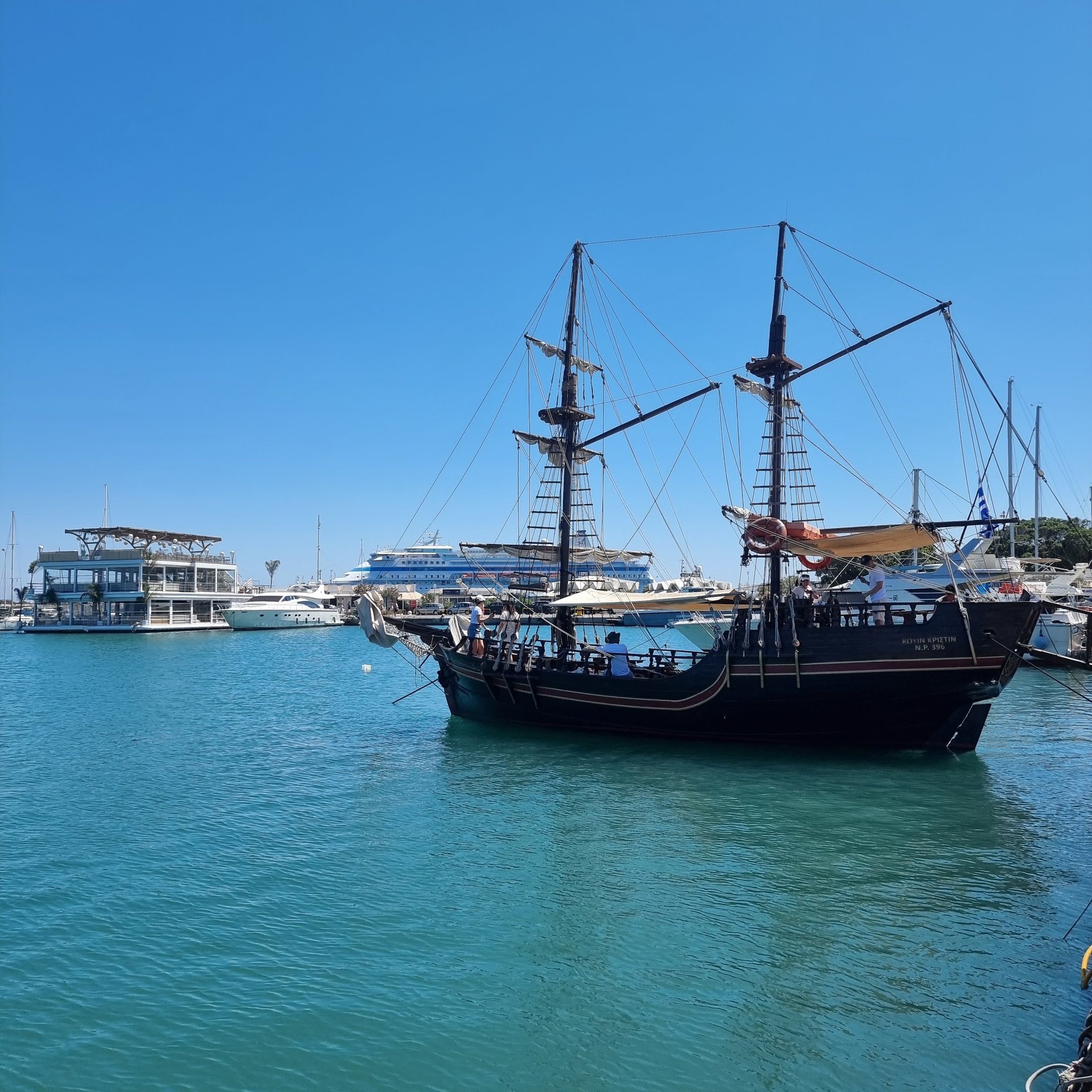
Reserve early when the date or boat matters
There is no single booking window that suits every Rhodes boat trip. Once your holiday dates are fixed, reserve the experience you would be disappointed to miss, especially during busy summer months.
Early organisation matters most when your choices are narrow. A celebration, a group travelling together or a fixed departure time leaves less room to accept an alternative.
- Private boats: arrange your group size, preferred boat and departure together. With private boat hire, you need a suitable whole boat, not just spare seats.
- Catamarans and sailing trips: smaller-group options can reach capacity. If space and the boat itself matter, compare catamaran cruises before leaving the decision until arrival.
- Sunset outings: a fixed evening gives you fewer alternatives. Reserve a sunset cruise early if it is part of a birthday, anniversary or other planned evening.
- Symi days: organise the sailing alongside your harbour transport and the rest of your itinerary. This matters particularly when only one holiday date works.
When last-minute booking can work
Last-minute booking can suit you if several dates work and you are happy to change boat type or departure time. Short coastal cruises and local day boats are more practical options for a spontaneous outing than a specific private boat.
You can book directly at the harbour, and this lets you discuss the trip in person. It is an option for flexible travellers, not a guaranteed cheaper route. Compare the total price and inclusions rather than assuming an in-person offer is better.
Outside the busiest months, you may have more flexibility, but waiting still means choosing from what remains. If shade, accessible boarding or a particular atmosphere is essential, settle those needs before committing.
Read the cancellation and route-change terms
Read your cancellation deadline alongside the operator’s weather policy. Cancelling because your plans change is different from the operator cancelling a sailing. Look for the refund or rescheduling arrangements for each situation.
A changed route is also different from a cancelled trip. Captains can adjust stops for sea conditions, so read what happens if the sailing runs but the advertised itinerary changes.
A bay named in a marketing title is not automatically a guaranteed stop in the booking conditions. If that bay is your main reason for booking, get the stop and any conditions clarified in writing before paying.
Keep some room to move your boat day rather than booking every holiday day rigidly. Equally, leaving your only possible sailing until the final day removes any chance to try again after a cancellation. Use the Rhodes trip-planning advice to leave space around your fixed activities.
Six details to settle before paying
Use these six checks on your final shortlist. Resolve anything essential with the operator before payment, rather than discovering a poor match at boarding.
- Departure and arrival instructions: exact harbour, meeting point, required arrival time, sailing time and return location.
- Actual route and time ashore: sailing time, swimming stops and free time at your destination. Separate planned stops from guaranteed ones.
- Inclusions: food, drinks, snorkelling equipment and transfers. For pickup, establish whether your hotel area is covered and whether it costs extra.
- Capacity and facilities: passenger limit, seating, shade, toilet and boarding or swimming ladders. A smaller boat is not automatically more comfortable.
- Suitability: children’s ages, swimming confidence, mobility and tolerance for a long day aboard. Match the trip to everyone travelling.
- Cancellation and weather changes: your cancellation deadline, operator-cancellation arrangements and the terms for changed routes or rescheduled departures.
Make the final choice
Choose the experience first: swimming, exploring a destination, a social day or a quiet evening. Then remove trips that fail your comfort needs or make getting to the harbour unnecessarily difficult.
I’d book that shortlist’s best fit rather than chase the cheapest remaining seat. If your dates are flexible, leave room for a change; if they are fixed, prioritise suitable terms and a workable departure.
Choose the experience, remove poor comfort or transport matches, then compare current Rhodes boat trips and booking terms.
Compare and book Rhodes boat trips
transferswater sportsFrequently asked questions
Are boat trips in Rhodes worth it, or are they tourist traps?
They can be worth it for coastal views, swimming and a day without driving. Poor value usually starts with a mismatch: paying for swimming when you want sightseeing, or booking a lively boat when you want quiet.
Is one boat trip enough during a Rhodes holiday?
I’d start with one that matches your main interest. Add another only for a different experience, such as a Symi excursion after a coastal swimming cruise.
Is a boat trip better than spending the day at the beach?
Choose a boat for changing scenery and an organised day. Choose a beach for control over your budget, swimming time and when you leave.
Is a Symi ferry the same as a Symi boat excursion?
No. A scheduled ferry provides transport; an excursion follows a sightseeing itinerary. The indicative Rhodes–Symi ferry journey is 1 hour 30 minutes, not the duration of every crossing or excursion.
Can I enjoy a Rhodes boat trip without swimming?
Yes. Choose a scenic, sunset or destination trip if swimming is not your priority. Comfortable seating and shade matter more than the number of swim stops.
Are catamarans guaranteed to prevent seasickness?
No boat can guarantee that. The conditions, route and your sensitivity all matter. If you are prone to motion sickness, discuss the trip with the operator and ask a pharmacist about suitable prevention.
Is a private boat automatically safer than a group cruise?
No. Privacy is not a safety standard. Focus on the crew’s briefing, suitable safety equipment, boarding arrangements and whether the trip fits your needs.
Do all Rhodes boat trips have toilets and shaded seats?
Facilities depend on the boat. Choose a listing that clearly describes toilets, shade and seating if these are essential, especially for a longer trip.
Does all-inclusive mean unlimited food and every drink?
Read the specific meal and drinks package. Included drinks may be limited to certain types or serving times, and dietary requests need arranging before departure.
Can I swim if I start feeling seasick?
Tell the crew and stay aboard if you feel dizzy, weak or unwell. Entering the water is not a remedy for seasickness.
Can I book a boat trip at the harbour?
Harbour booking can work if you are flexible about the boat and departure. I’d reserve ahead for a particular trip or date, and read the cancellation terms before paying.
Will I get a refund if wind cancels my trip?
The booking terms set out the options for operator cancellations, changes and refunds. Read them before paying, and leave room in your holiday to move the trip if needed.