

What to See at Ancient Kamiros
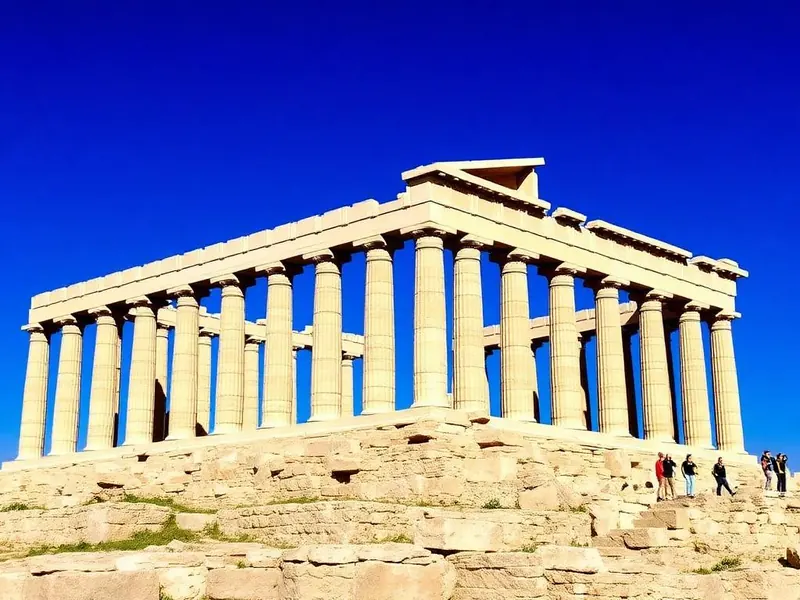
Ancient Kamiros was one of the three Dorian cities that united to establish Rhodes Town in 408 BCE. Its remains spread across a hillside, where temples, houses and the ancient marketplace help reveal the shape of everyday life as well as the city’s civic and religious spaces.
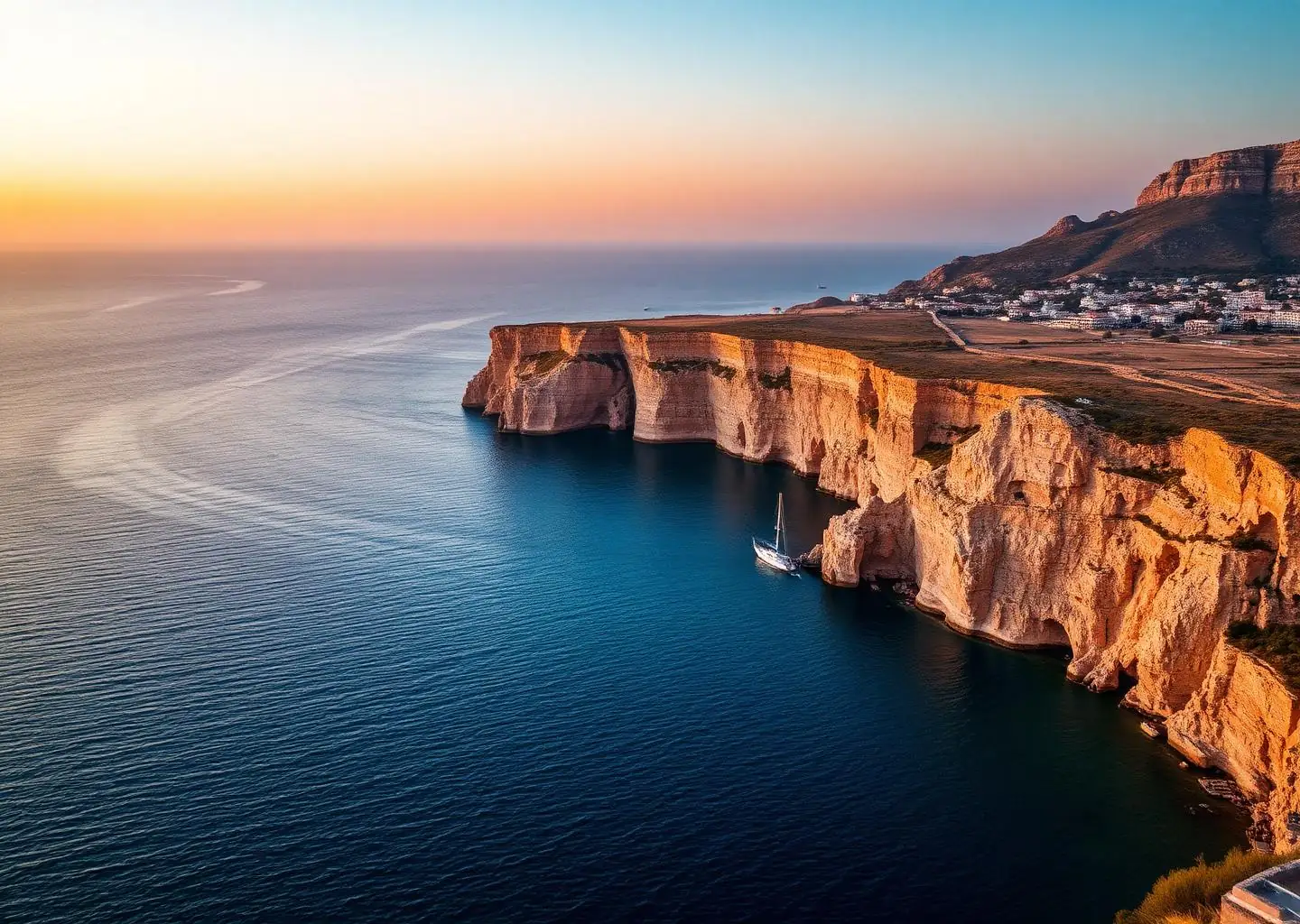
The appeal is the city as a whole. Rather than looking only for a standout monument, take time to follow the relationship between the residential remains and public spaces. The upper levels bring views towards the sea, placing the ruins within the rugged west-coast landscape.
Kamiros generally attracts fewer visitors than the Acropolis of Lindos, making it a good choice if you prefer a more reflective archaeological visit. Expect a hillside setting rather than a flat sightseeing stop, and choose footwear suited to exploring ruins.
Finds from Kamiros, including notable statues and pottery, are displayed in the Archaeological Museum in Rhodes Town. Pairing the site with the museum on another day gives you both the setting of the ancient city and a closer look at objects discovered there.
Plan a West Coast Day Around Kamiros
Choose a route around what you most want from the day, rather than trying to combine every western landmark. I’d choose one clear theme—archaeology and castles, a village outing, or history followed by a coastal break—and leave space to enjoy the stops.
The west-coast journey is part of the appeal, but exposed stretches of road can experience strong gusts. If driving, keep a firm grip on the steering wheel and take those conditions into account.
- History and castles: Combine Ancient Kamiros with Kritinia Castle and the medieval fortifications at Monolithos to explore different eras of Rhodian history. Treat this as a fuller sightseeing day rather than a quick extension to the ruins.
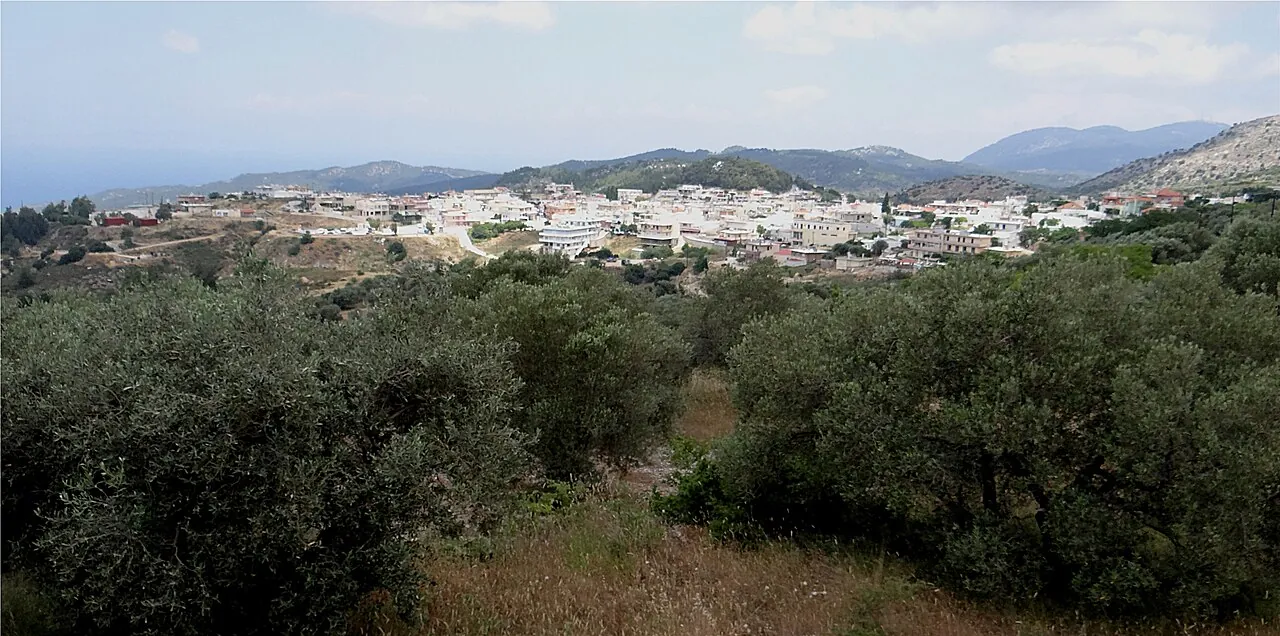
- Archaeology and villages: Pair the site with Embonas, the mountain wine village at the foot of Attaviros, or Siana. Both villages feature on organised cultural itineraries and offer a different setting from the coast.
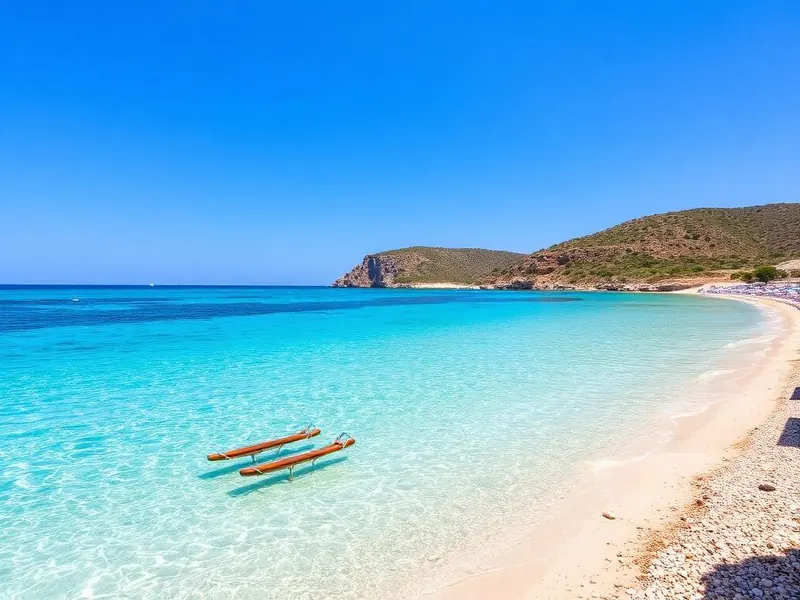
- History and a swim: Follow the ruins with a nearby beach break if you would rather keep the day less monument-focused. Choose the beach as a separate stop, not as part of the archaeological site.
- A longer historical route from the north: Filerimos, Ancient Kamiros and Kritinia Castle form another history-led combination. This makes more sense for visitors who want several substantial sightseeing stops than for those seeking a leisurely single-site outing.
Kamiros Skala and Trips to Halki
Ancient Kamiros and Kamiros Skala are different places. The first is the archaeological site; the second is a small port a short distance away and the main departure point for ferries to the neighbouring island of Halki. A ferry departure from Kamiros Skala does not mean boarding at the ruins.
Halki suits travellers looking for a quieter offshore excursion rather than another major sightseeing circuit. Its traditional harbour, local cafés and quiet pebble beaches give the outing a different focus from a day exploring Rhodes’ castles and ancient sites.
Plan Halki around the ferry journey, including the return crossing. Confirm the current timetable before heading to the port, and do not assume that a visit to the ruins will fit comfortably around the sailing you choose. I’d treat Halki as its own outing unless the confirmed connections leave room for both.
Getting to Ancient Kamiros
By car
Driving gives the most flexibility for combining Kamiros with castles, viewpoints or mountain villages. Decide your additional stops before setting out so that the day follows a coherent route, and remember the possibility of strong gusts on exposed coastal stretches.
By organised tour
Organised trips featuring Ancient Kamiros often run as full-day outings, combining the ruins with village visits, castle viewpoints and sometimes a coastal lunch or swim. A private cultural tour offers more flexibility over the day’s focus.
Browse Rhodes excursions, then confirm that your chosen itinerary includes Ancient Kamiros and the other stops you want. For popular summer trips, book ahead and check exactly what is included rather than assuming that lunch or a swim forms part of every tour.
By bus
RODA lists Ancient Kamiros as a destination, but services can be limited. Check the current outward journey and, especially, the return connection before relying on the bus. The bus timetables guide is a useful starting point for planning; confirm that the service you choose serves the archaeological site rather than assuming a connection to Kamiros Skala is interchangeable.
Food Stops and Where to Base Yourself
Build a meal break into the wider outing rather than adding it after an already crowded sightseeing plan. If joining a tour, check whether its coastal lunch stop is included or simply time set aside to eat. On a Halki day, the island’s harbour cafés belong to that separate excursion, not to the facilities at Ancient Kamiros.
Choose your accommodation around the rest of your holiday as well as this visit. Kamiros works naturally as a day-trip destination, so there is no need to organise your entire stay around the ruins. Use the guide to choosing an area to compare bases, then decide whether an organised excursion, public transport or an independent west-coast outing best fits your plans.
Seeing Ancient Kamiros: Route Through the Site
Look out for the water-storage remains as well as the houses and temples. Cisterns collected rainwater, while gravity-fed channels helped distribute it through the settlement. Alongside the hillside terraces and residential streets, these practical features help explain how the city supported everyday life.
Visit Timing and Practical Tips
Allow around 45–90 minutes for the ruins themselves, with longer if you enjoy archaeology or photography. That is time at the site, not including your journey or other west-coast stops.
In summer, I’d choose early morning. Shade is limited, and the hillside paths feel harder work in midday heat. Late afternoon can offer softer light, but check the current closing time before planning around it.
There is an entrance charge, and opening hours vary by season. Confirm current ticket prices, concession rules and opening times before travelling, especially outside summer.
- Bring water and a hat rather than relying on refreshments at the site.
- For families, expect uneven stone paths and limited shade. It is best suited to children who enjoy exploring ruins.
- The source lists free parking near the archaeological entrance.
Frequently asked questions
Is Ancient Kamiros worth visiting?
Yes, particularly if you enjoy archaeology and quieter sightseeing. Its hillside remains include temples, houses and an ancient marketplace, with sea views from the upper levels. It also works well as the historical focus of a west-coast outing.
Is Ancient Kamiros as crowded as Lindos?
Ancient Kamiros generally has fewer visitors than the Acropolis of Lindos. Its quieter atmosphere is part of its appeal, though that does not mean you will have the site to yourself.
Can I get a ferry to Halki from Kamiros?
Ferries depart from the nearby port of Kamiros Skala, not from Ancient Kamiros itself. Check the current outward and return sailings before travelling to the port.
What sights can I combine with Ancient Kamiros?
Kritinia Castle and Monolithos suit a history-and-castles day. Embonas or Siana add a mountain-village stop, while a longer historical route from the north can include Filerimos, Ancient Kamiros and Kritinia Castle.
Can I visit Ancient Kamiros by bus?
RODA lists Ancient Kamiros as a destination, but services can be limited. Confirm the current timetable and your return connection before making it your transport plan.