

Monolithos Castle: History Shaped by the Landscape
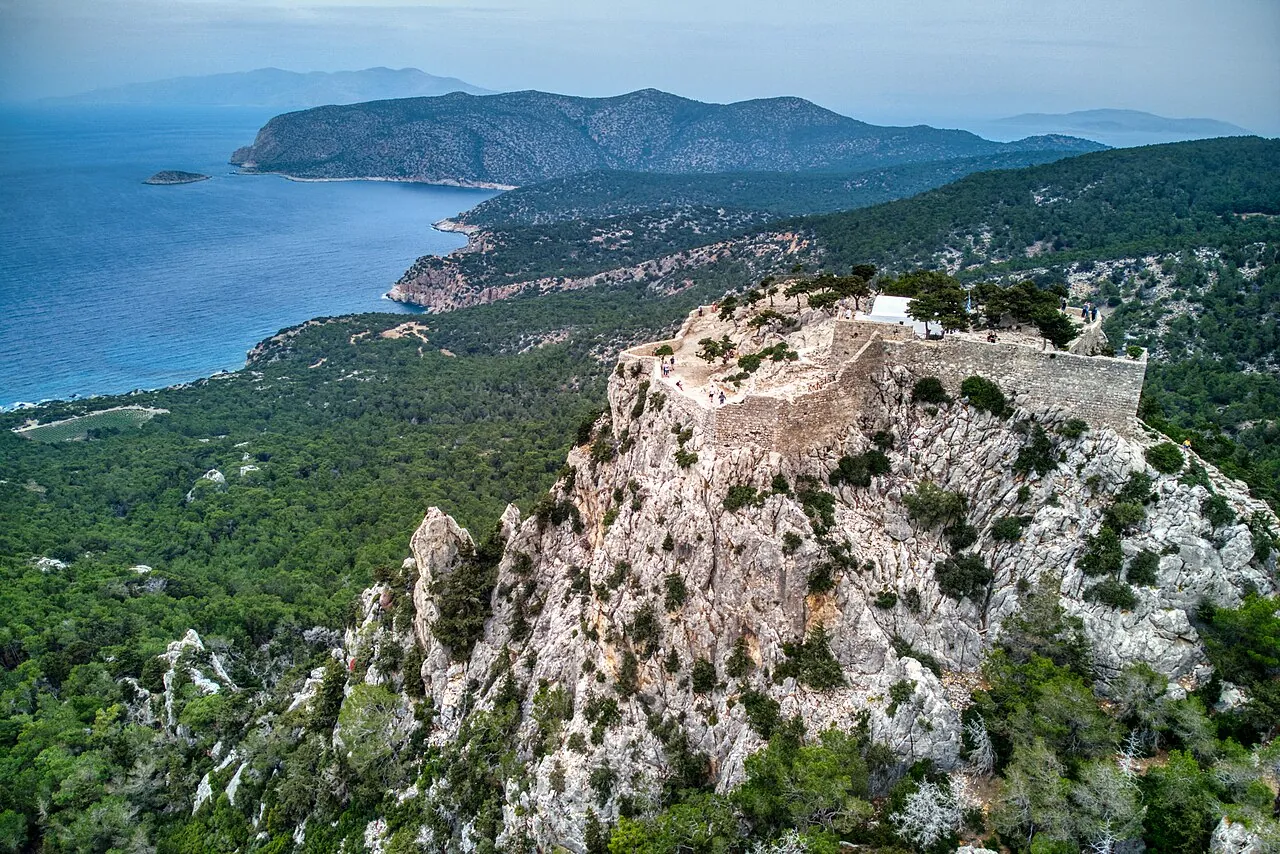
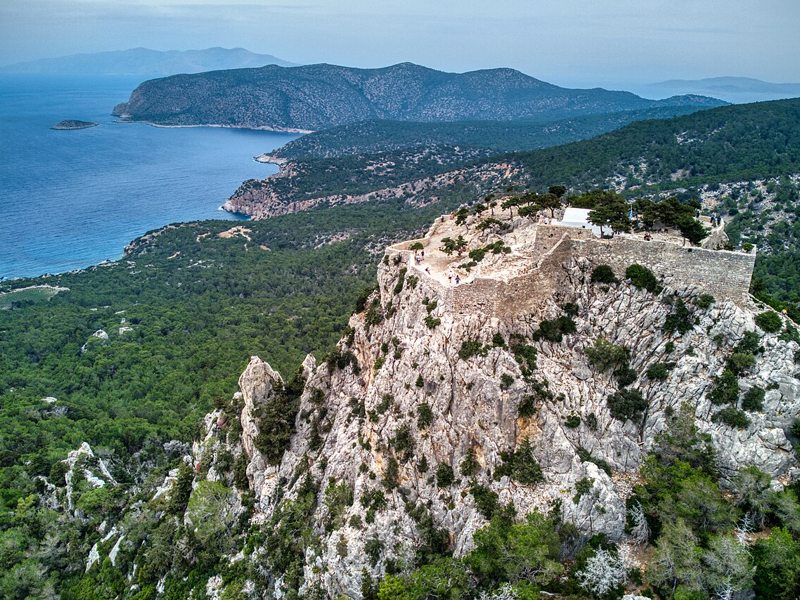
Built by the Knights of St John in 1476, Monolithos Castle stands on a steep, monolithic rock. Its position explains much of its defensive strength: the landscape itself forms a formidable barrier. Visiting is less about walking through extensive buildings than understanding how the Knights used the terrain to their advantage.
The views stretch across the west coast and towards small islands offshore. Allow time to look beyond the remains themselves; the relationship between fortress, rock and sea is what makes this stop distinctive. Late afternoon is particularly rewarding for photography, with changing light across the coast.
Entry to Monolithos Castle is free. That makes it a useful history stop without a ticket cost, but it still deserves proper preparation rather than a hurried climb in beach footwear.
Climbing to Monolithos Castle Safely
Reaching the castle involves climbing a stone path. Wear comfortable shoes with grip, bring your own water and carry a light jacket for the exposed, breezy clifftop. The climb is part of the visit, so consider everyone’s comfort with stone footing rather than assuming this is a level sightseeing stop.
Take your time on the path and keep back from exposed edges, particularly when taking photographs. Wind can affect both your comfort and your footing. If you visit late in the day, leave enough light for the descent instead of letting the sunset dictate every part of your plan.
Fourni Beach and Other Coastal Stops
Below the castle, Fourni Beach continues the same rugged coastal scenery. Its water is clear and deep, but that does not mean it is gentle: strong waves are common. I’d choose Fourni for a scenic walk and photographs rather than make it the centrepiece of a beach day with small children or swimmers seeking calm water.
Keep any swim conditional on the conditions you find, not on how inviting the sea looks from above. The Fourni Beach guide is the companion page for planning the beach part of your visit.
Farther along a western itinerary, Kopria Beach near Kritinia offers a low-key atmosphere and clear water. It is another possible coastal stop, not a guaranteed sheltered alternative: strong winds can affect the west coast as a whole. Check the forecast before committing the day to beaches.
Where to Watch the Sunset
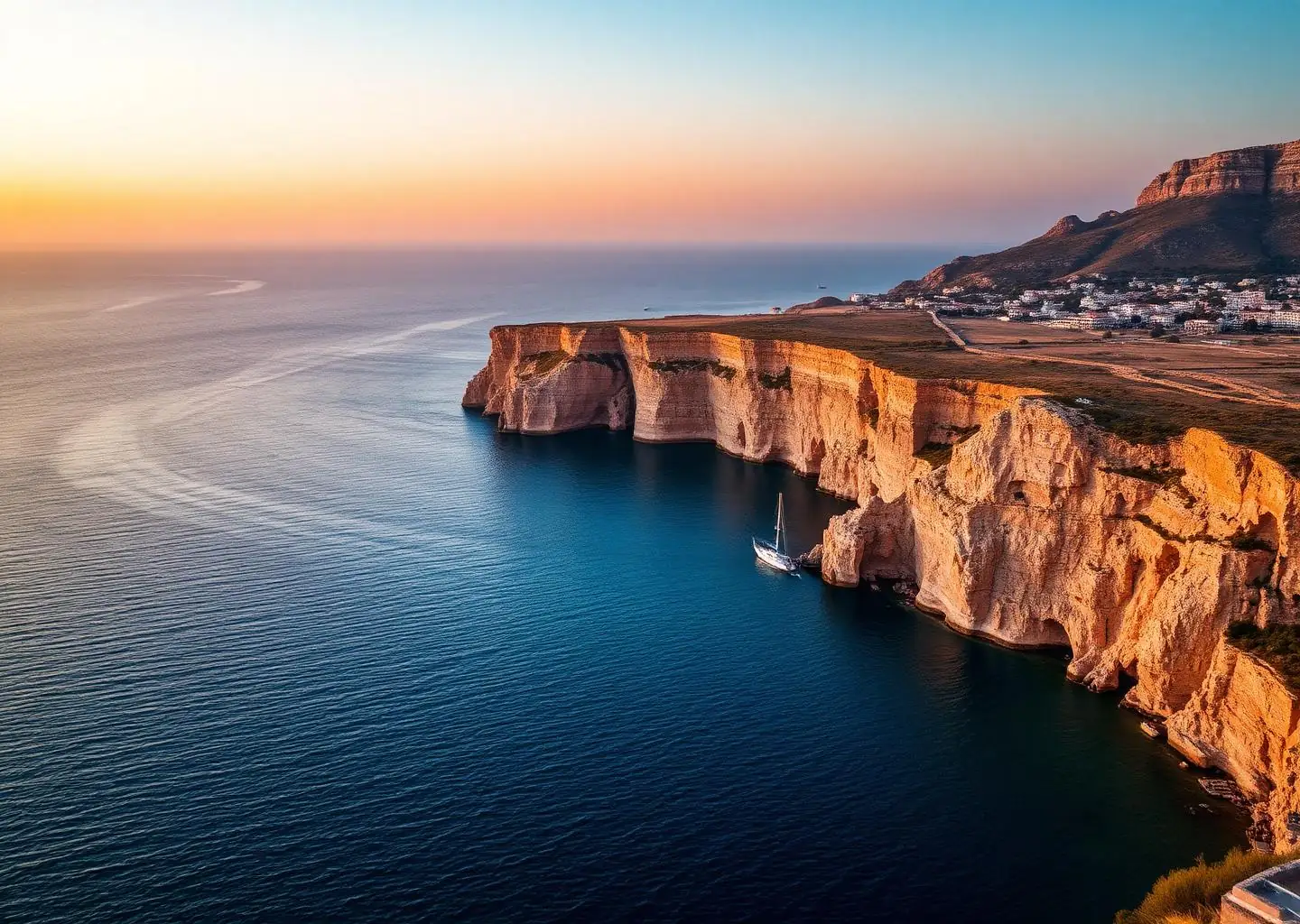
Fourni offers a direct view of the sun setting into the Aegean, while the castle’s elevated setting gives a broader coastal panorama. Choose between a shoreline foreground and the height of the fortress rather than trying to rush between both at the end of the day.
The colours can linger after sunset, but practicalities matter too. At the castle, balance the evening light against the stone-path descent. At either location, bring that extra layer and let the wind conditions guide how long you stay.
Planning a West Coast Day Trip
Monolithos works well as the focus of a dedicated western excursion. A history-and-scenery route can combine Filerimos, Ancient Kamiros, Kritinia Castle and Monolithos, finishing here late in the day. Treat those as possible stops rather than a checklist: fewer visits leave more time for the castle and coast.
For an archaeological contrast to the fortress, explore Kamiros, with its ancient city ruins on the quieter west coast. For a mountain-village element, consider Embonas, the wine village at the foot of Attaviros. These give the day a different emphasis from a sequence of castle viewpoints.
Road travel lets you link these scattered stops at your own pace, and the journey reveals a different landscape from the resort corridor. West coast roads can be exposed to strong gusts, so drive cautiously and allow the conditions to shape your plans.
Keep Monolithos separate from an ambitious day built around Prasonisi in the far south. The routes are quite different; combining them risks turning a scenic outing into a day dominated by travel.
Visiting Without Driving and Choosing Your Base
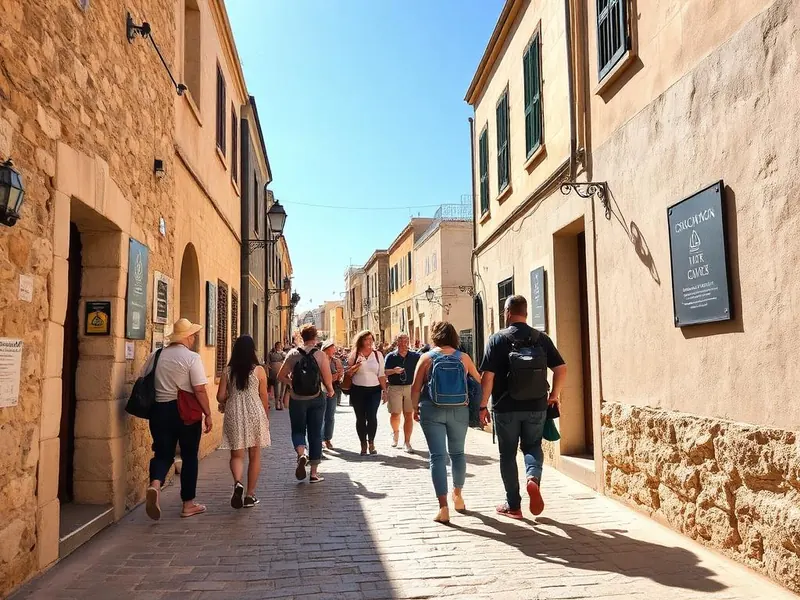
Organised excursions are an alternative if you prefer not to drive. A private cultural day can combine Kamiros, mountain villages such as Embonas and Monolithos. Browse guided excursions and choose an itinerary that explicitly includes your preferred stops rather than assuming every western tour follows the same route.
Any boat trip advertised around the Monolithos coast is highly dependent on calm weather. It is better treated as a separate, weather-sensitive outing than as the fixed centre of your castle day.
For most sightseeing plans, Monolithos makes sense as an excursion from your chosen holiday base. If you are still deciding where to stay, use the Rhodes area comparison to weigh the wider trip before organising your western outings.
Frequently asked questions
Is Monolithos Castle free to enter?
Yes, visiting Monolithos Castle is free. Bring water, comfortable shoes with grip and a light jacket for the exposed clifftop.
How do you get to Monolithos Castle?
Monolithos fits a west coast road excursion or an organised cultural tour. The final approach to the castle involves climbing a stone path.
Is Fourni Beach suitable for children or swimming?
Fourni has clear, deep water, but strong waves are common. It is better suited to scenic walks and photography than to small children or swimmers looking for gentle water. Base any swimming decision on the conditions that day.
Can I visit Monolithos as a day trip?
Yes. Pair it with selected western sights such as Ancient Kamiros and Kritinia Castle, or include Embonas for a mountain-village stop. Private cultural tours are an alternative to driving.
Where can I watch the sunset near Monolithos?
Fourni Beach offers a direct sea-level view, while the castle provides an elevated coastal panorama. If choosing the castle, allow enough daylight to descend the stone path comfortably.