

Is Plimmiri right for your visit?
I'd choose Plimmiri for a quiet coastal outing: a shoreline walk, a picnic and a swim when conditions suit. Couples and independent travellers who are happy to bring their own supplies will appreciate its low-key character. It is less suited to a day built around beach clubs, readily available services or organised entertainment.
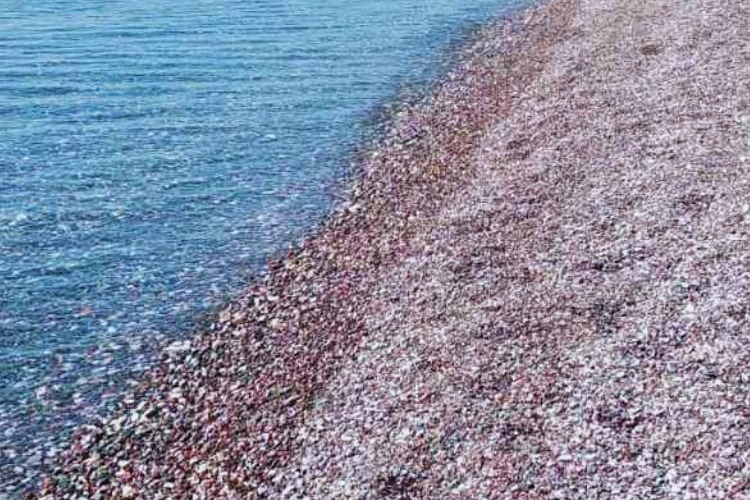
The bay stretches for 4.5 km, with dark, coarse sand and some fine shingle rather than powder-soft white sand. The sea becomes deep relatively quickly, so families with small children and less confident swimmers need particular care. Older children and confident swimmers may find it a better fit, but always assess the conditions before entering the water.
For the full shoreline description, swimming advice and beach-day preparation, read the Plimmiri Beach guide. This area guide helps you decide how Plimmiri fits into your wider visit.
Getting to Plimmiri and finding the coast
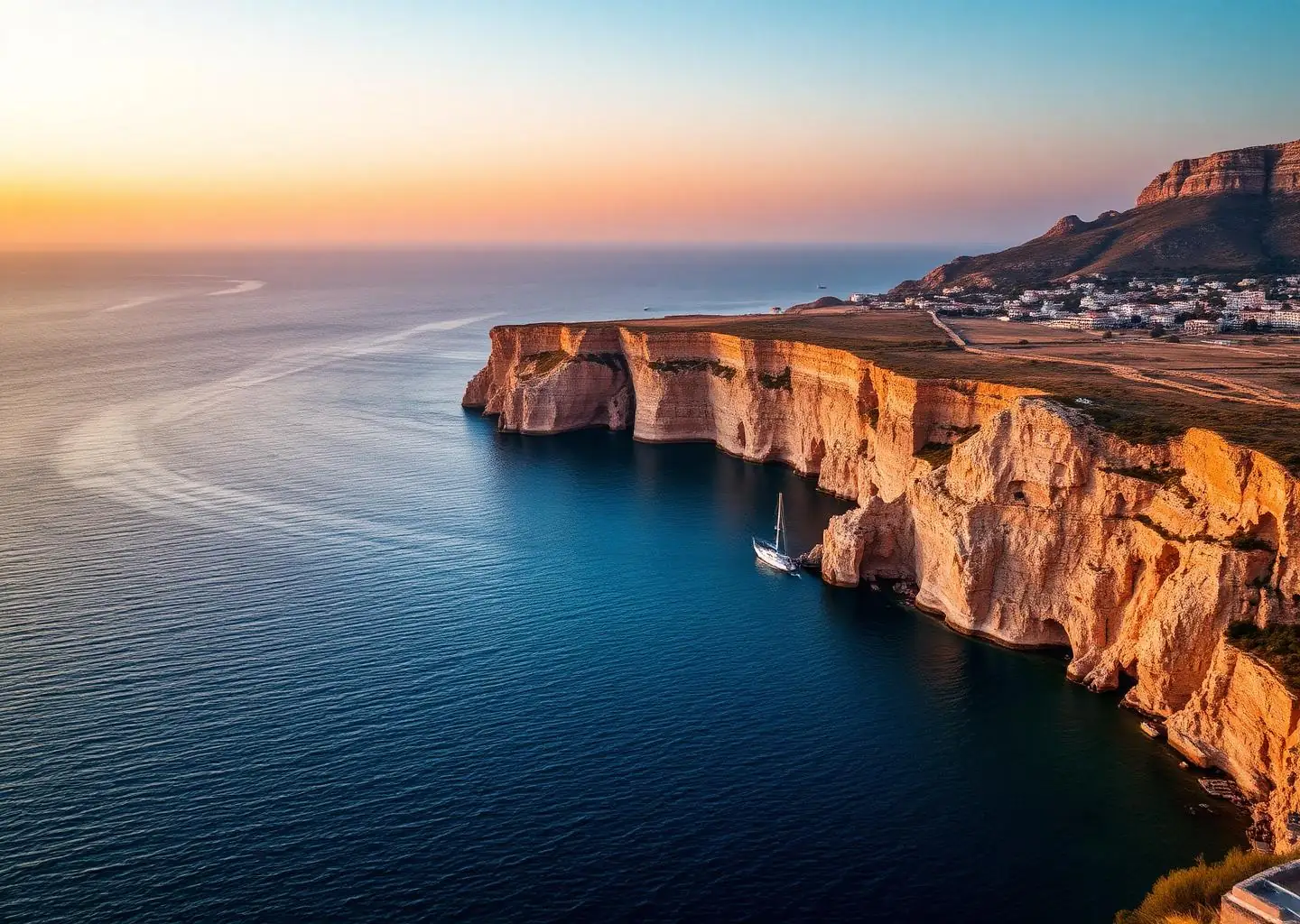
Plimmiri is around 80 km from Rhodes Town. Treat it as a deliberate trip into the south rather than a quick stop between northern resorts. Driving is the most practical way to reach it; public transport is not a practical option for a straightforward beach day.
Navigate to “Plimmiri Beach” and its public access points, rather than using a nearby hotel as your destination. The approach road leads down to the coast, with informal parking near the beach. A pre-booked private transfer is another option, provided you arrange the return pickup time and place before setting off.
Underfoot, expect coarse sand and shingle, not a smooth promenade. Beach shoes help with pebbly patches and sand that becomes hot in summer. Plan your arrival around the supplies you can comfortably carry from your parking or drop-off point.
Where to stay near Plimmiri
Choose the Plimmiri and wider Lachania coast if the quiet southern setting is the main reason for your holiday. Large resort hotels are also part of this wider area: Tui Magic Life and Atrium Prestige are named coastal reference points in the beach guide. Their presence does not mean that the public beach has facilities available to everyone; hotel facilities are generally for guests.
Another nearby area to consider is Gennadi, which also offers a slow pace and a quiet south-coast beach. Compare the setting of your accommodation with the outings you want to make, rather than assuming every southern address gives the same access to Plimmiri.
If you are still deciding between a southern base and somewhere else on the island, use the Rhodes stay-area guide before narrowing down individual properties.
Food and practical preparation
Make this a self-sufficient outing. Pack your lunch, snacks and plenty of drinking water instead of building the day around finding somewhere to eat beside the beach. Nearby resort hotels should not be treated as public refreshment stops.
Bring your own shade, sunscreen, sunglasses and a hat: natural shade is very limited. Keep your setup away from the dunes, and bring a rubbish bag so everything you carry in leaves with you. A picnic and one additional stop make a more comfortable plan than a long list of activities.
What to combine with Plimmiri
Choose one direction for the rest of your day. Plimmiri works best as the unhurried part of an outing, not a beach you briefly tick off between several distant sights.
Gennadi for another south-coast stop
Combine Plimmiri with Gennadi Beach to compare two southern shorelines. Gennadi retains a relaxed character, while its northern end has more beach bars than the natural setting at Plimmiri. It is a useful pairing if you want some variety without turning the day into a full-island itinerary.
Prasonisi for a different coastal atmosphere
Prasonisi, at the far south of Rhodes, is known for its meeting-of-two-seas setting and windsurfing and kitesurfing scene. Choose it as your additional coastal outing if watching wind sports appeals more than adding another quiet beach stop.
Lachania or Asklipio for a village outing
For a change from the shore, combine Plimmiri with a wander through the traditional village of Lachania or an outing to Asklipio and its medieval castle. These provide the village element of a southern itinerary; Plimmiri itself is the bay and coastal area.
Enjoy the natural setting responsibly
Plimmiri is an important nesting area for Caretta caretta sea turtles. Stay off the dunes, leave nests undisturbed and take all rubbish away. Turtle sightings are rare, so visit for the landscape rather than expecting a wildlife encounter. If you do see a turtle, keep your distance and never touch it or block its route to or from the sea.
For a separate day on the water or an organised activity, you can also browse Rhodes boat trips and local experiences. Treat these as island-wide options, not as activities assumed to depart from Plimmiri.
Frequently asked questions
Is Plimmiri a village?
Plimmiri generally refers to the long bay and coastal area in the wider Lachania area of southern Rhodes. Plan it as a coastal visit; nearby Lachania or Asklipio can provide a traditional village stop.
What is there to do near Plimmiri?
Enjoy the natural shoreline, then choose an additional outing to Gennadi, Prasonisi, Lachania or Asklipio and its medieval castle. Keeping to one extra stop leaves more time to enjoy the quiet setting.
Can you visit Plimmiri without driving?
A pre-booked private transfer can work if you arrange a clear return pickup time and place. Public transport is not a practical choice for a straightforward beach trip to this remote southern area.
Is Plimmiri suitable for families?
There is plenty of open shoreline, but the water gets deep relatively quickly and the natural beach requires preparation. It is a better fit for older children or confident swimmers than for families seeking shallow water and readily available facilities. Supervise young children closely.
Should I bring food to Plimmiri?
Yes. Bring a picnic, snacks and plenty of drinking water. Treat the public beach as a self-sufficient outing rather than relying on nearby hotel facilities or a meal beside the shore.