
Chapter 1 of 8
Which museums in Rhodes should you visit?
Choose the Archaeological Museum of Rhodes for archaeology, the Palace of the Grand Master for its historical setting and displays, or the Museum of Modern Greek Art for art. These three museums in Rhodes Town are the strongest starting points; the right choice depends on what you actually enjoy seeing.
Choose by archaeology, history or art
Start with your interests rather than trying to visit every museum. Ancient objects, palace rooms and modern artworks offer quite different experiences, even when they share a historic setting.
- Archaeological Museum of Rhodes — Location: the Hospital of the Knights, inside the Medieval City. Main appeal: sculptures, pottery, jewellery and coins, with the hospital building adding another layer of history. Choose it if you enjoy examining objects and learning about ancient Rhodes. It is less suited to anyone who quickly loses interest in display cases.
- Palace of the Grand Master — Location: Rhodes Old Town. Main appeal: the palace setting, first-floor mosaic floors and medieval furniture. Ground-floor permanent exhibitions cover Rhodes from its foundation in 408 BC to the Ottoman conquest in 1522. Choose it if historic buildings interest you as much as collections. Younger children may find a long visit less engaging.
- Museum of Modern Greek Art — Location: Rhodes Town, across three historic buildings. Main appeal: Greek paintings, sculptures and installations, with art spanning the 19th century to the present. Choose it for a change from ancient and medieval history. Expect a smaller-scale experience than a major international art museum.
If you only want one museum
For a first visit, I’d choose the Archaeological Museum if ancient history is your main interest. You get a collection of objects alongside the Hospital of the Knights itself, rather than choosing between archaeology and architecture.
If you care more about the building and atmosphere, I’d lean towards the Palace. Its halls, mosaics and historical exhibitions make it a better fit for that preference. You can explore the Palace of the Grand Master in more detail before deciding.
Art lovers should choose the Museum of Modern Greek Art without feeling obliged to visit an archaeological collection first. Before setting out, check which building holds the exhibition you want to see; this is one institution spread across several buildings.
If indoor collections rarely hold your attention, one carefully chosen stop is enough. Pick the subject that interests you most and leave time to enjoy Rhodes Old Town outside. There is no need to turn a holiday into a museum checklist.
Rhodes Town and the wider island
For a museum-focused visit anywhere on Rhodes, I’d start with this Rhodes Town shortlist. The Archaeological Museum and Palace are both inside the Medieval City, while the modern art institution also gives you a town-based option.
Staying elsewhere on the island does not mean you need to seek out a different museum near your resort. Choose the collection first, then decide whether you want to include it in a visit to town. You can use the Rhodes Island Guide’s area overview to put your holiday base and Rhodes Town in context.
Museums help explain the history and culture behind the streets and ruins you see outdoors. But if you mainly want beaches, villages and open-air sights, a single museum that genuinely interests you is a better choice than several obligatory stops.
Chapter 2 of 8
Why choose the Archaeological Museum of Rhodes?
Choose the Archaeological Museum of Rhodes if ancient history is your main interest. It occupies the Hospital of the Knights in the Medieval City, so the historic building is part of the appeal.
The museum inside the Hospital of the Knights
The Hospital of the Knights is the building; the Archaeological Museum is the museum housed inside it. You get two reasons to visit: Rhodes’ archaeological heritage and the chance to explore a historic Knights’ building.
Inside, the collection includes sculptures, pottery, jewellery and coins. The focus is on objects from the island’s past, rather than modern paintings or installations. That makes it a strong choice if you want more context for the ancient sites you see around Rhodes.
The setting also connects your visit to the streets outside, so plan some time in Rhodes Old Town. For a broader sense of how the island’s ancient and medieval stories fit together, explore the history of Rhodes.
Who should put it first
I’d put this first if you enjoy archaeological objects and want ancient history to lead your museum visit. The building adds another reason to choose it, especially if historic architecture matters to you as much as the displays.
If paintings and modern creative work interest you more, the Museum of Modern Greek Art is the better match. You don’t need to choose archaeology simply because you’re staying in the Old Town.
- Choose it for archaeology: sculptures, pottery, jewellery and coins are closer to your interests than modern art.
- Choose it for the setting: you want a museum where the historic building matters too.
- Put it lower on your list if ancient objects rarely hold your attention. A gallery visit may be more rewarding for you.
Chapter 3 of 8
What will you see at the Palace of the Grand Master?
The Palace of the Grand Master operates as a museum, not just a building to admire from outside. Inside, you’ll find first-floor mosaics and medieval furniture, plus ground-floor exhibitions covering Rhodes history.
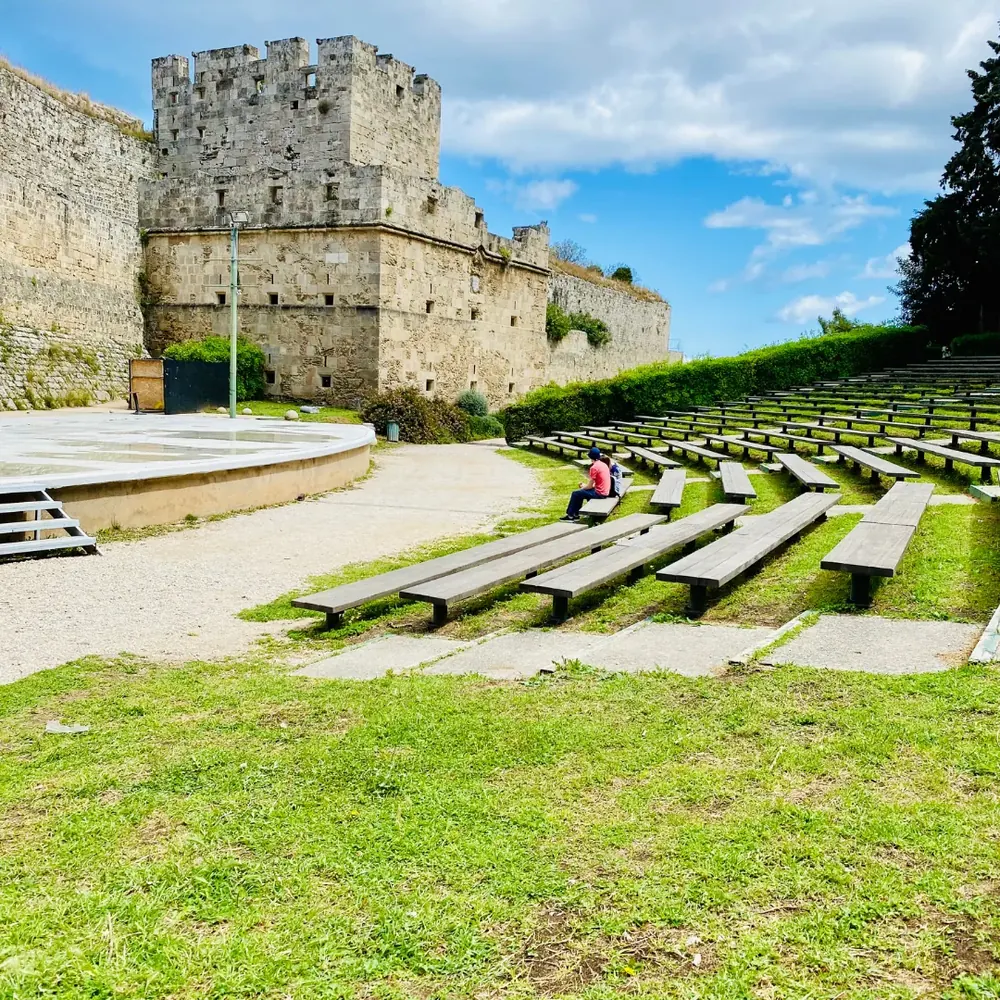
I’d choose it if you want grand halls and historical displays rather than archaeology or modern art alone. For admission, opening hours and booking advice, see Palace of the Grand Master tickets and visit details.
First-floor mosaics and medieval furniture
The first floor contains mosaic floors and medieval furniture within the palace’s grand halls. The rooms themselves are part of the attraction, so this suits you if historic interiors appeal as much as individual objects.
This is a strong choice for an interest in medieval Rhodes and the Knights Hospitaller. The setting gives the visit much of its appeal, but it’s less suited to anyone expecting hands-on activities.
If ancient objects are your main interest, I’d put the Archaeological Museum first. Choose the palace when you want to experience a monumental building as well as explore its displays.
Ground-floor exhibitions on Rhodes history
The ground-floor permanent exhibitions cover Rhodes from the city’s foundation in 408 BC to the Ottoman conquest in 1522. That wider historical span makes this more than a museum about the Knights alone.
Keep the two floors in mind when deciding what interests you: upstairs offers mosaics, furniture and grand interiors. Downstairs adds the historical story behind the city.
This combination works well if your group wants both impressive rooms and a broader understanding of Rhodes. It also gives context to the streets you’ll explore in Rhodes Old Town.
Lift, Braille signs and accessible WC
The palace lists a lift, Braille signs and an accessible WC. These are useful facilities, but they are not a guarantee of access to every room or an accessible approach through Old Town.
If you need step-free access, contact the palace before booking to discuss the entrance route and rooms you want to visit. Plan the approach separately from access inside the building.
Chapter 4 of 8
Where should you go for art in Rhodes?
The Museum of Modern Greek Art is my main recommendation for art in Rhodes. It is one institution spread across three historic buildings, offering a change from the island’s ancient and medieval collections.
Museum of Modern Greek Art
The museum covers Greek art from the 19th century to the present, including paintings, sculptures and installations. Choose it if you want art to be a main part of your visit, rather than focusing only on ancient objects.
I'd put it higher on your list if you already enjoy galleries. If your main interest is the Knights and medieval Rhodes, the Palace of the Grand Master is a better starting point.
- Best for: art lovers and travellers wanting a modern contrast to Rhodes’ historical museums.
- Keep expectations realistic: this is smaller in scale than the major art museums you might visit in a large city.
- Location: Rhodes Town. Explore the Rhodes Town area when deciding what else belongs in your day.
One institution across three historic buildings
The three-building setup matters when planning: the Museum of Modern Greek Art is not three separate museum recommendations. Before setting out, check which buildings are currently welcoming visitors and what is showing at each.
My suggestion: choose the display that interests you most rather than making all three buildings a target. That keeps the visit focused on the art you want to see, without turning it into a checklist.
Panagia tou Kastrou and the Decorative Art Collection
You may also encounter these two separate entries while planning a cultural visit to Rhodes. Keep them as optional enquiries, rather than fixed stops alongside the main museum choices.
Ask locally about current access, displays and admission before making a special trip to either. If you are already exploring Rhodes Old Town, you can leave room for a visit if access is available.
- Panagia tou Kastrou: on Apellou Street.
- Decorative Art Collection: at Argirokastrou Square.
Chapter 5 of 8
How much do Rhodes museums cost?
The Palace of the Grand Master lists full admission at €20 for your 2026 visit planning. Other museums in Rhodes set their own prices, so budget separately for each visit.
Palace admission: €20 full price
Allow €20 per person paying full admission at the Palace of the Grand Master. This is the Palace’s price, not a standard ticket price across Rhodes museums.
If you’re setting a wider holiday budget, include museum admissions alongside the other costs in your Rhodes trip planning. I’d choose the museums you most want to see first, rather than budget for every possible stop.
Free entry and reduced admission
The Palace lists the following age and nationality concessions. These apply to the Palace; other museums have their own admission rules.
- EU visitors up to age 25: free entry.
- Non-EU minors up to age 18: free entry.
- EU visitors over 65: €10 admission during eligible months. Check whether your visit date qualifies before budgeting for the reduced rate.
- Bring proof of age and nationality, such as a passport or national identity card, when claiming free or reduced admission.
Combined tickets and booking ahead
Budget for separate admissions, then ask about a current combined option when buying your tickets. If one is offered, compare its included museums and validity period with the visits you actually want to make.
Prices, concessions and ticket offers can change, so check the terms at purchase. A combined ticket only saves you money if it covers places you would visit anyway.
My suggestion: if you’re visiting in high season, look into advance booking for the Palace before your museum day. Use Palace of the Grand Master tickets and visit details as your next step to check booking options for your dates.
Chapter 6 of 8
When are the museums open?
The Palace of the Grand Master has two seasonal schedules: summer hours from 1 April 2026 are daily, 08:00–20:00. Its winter schedule, 1 November–31 March, is 08:30–15:30, closed Tuesdays; other museums in Rhodes have their own hours.
Palace summer hours for 2026
From 1 April 2026, the Palace of the Grand Master opens every day, 08:00–20:00. This summer schedule gives you room for a morning or afternoon visit, depending on your other plans.
If the Palace is your main museum choice, you have more flexibility in summer than in winter. Keep these hours specific to the Palace, rather than using them to plan an afternoon at another museum.
Palace winter hours and Tuesday closure
For 1 November–31 March, the Palace opens 08:30–15:30 and closes on Tuesdays. Plan your visit before the late afternoon, and choose another day if the Palace is a must-see.
I'd put the Palace before a long lunch in winter. That leaves the rest of your day for exploring Rhodes Old Town without rushing towards closing time.
Choosing your museum day
Choose your day around the museum you most want to see, then fit other plans around its opening hours. If ancient history or modern art is your priority, start with that venue's schedule—not the Palace's.
Opening hours can change, so check each venue's current hours before setting out, especially when combining stops. Make sure a second museum will still be open when you reach it, rather than leaving it until after lunch by default.
Chapter 7 of 8
How should you get to the museums?
The core museums in Rhodes are in Rhodes Town, so choose transport around where you’re staying. A car makes sense for wider island exploring, but you don’t need to rent one just for a museum visit.
Find the museums before choosing transport
Start by locating your chosen entrance: find your museum on the Rhodes map. The Archaeological Museum occupies the Hospital of the Knights inside the Medieval City. The Palace of the Grand Master is also in the Medieval City.
For the Museum of Modern Greek Art, identify the building hosting the exhibition you want. The institution spans three historic buildings, so the museum name alone isn’t enough to plan your arrival.
- Staying nearby in Rhodes Town: consider walking first, based on your accommodation’s location and your mobility.
- Staying outside town: compare ways to get around Rhodes before choosing between public transport, a taxi or driving. If taking a bus, plan the return journey too.
- Still choosing your base: use the Rhodes area comparison to weigh access to town against your beach plans.
Driving and parking for an Old Town visit
I’d rent a car if your holiday also includes villages, beaches and other stops around Rhodes. In that case, compare car rental prices for the days you’ll actually use it. For a museum-only trip, weigh that cost against transport into town and the need to park.
Choose your parking destination before setting out, rather than navigating straight to a museum entrance. Follow local signs, parking rules and vehicle-access restrictions around the Old Town. Build the journey around parking first, then reaching the museum on foot.
If walking distance or step-free access matters, plan the route between parking and the entrance carefully. Facilities inside a museum don’t tell you what the approach will be like.
Airport transfers and your arrival day
Arrange your airport journey separately from museum admission. If you want a pre-arranged ride, browse airport transfer options and check airport transfer prices and book. Give your accommodation address and passenger and luggage details when booking.
My suggestion: get to your accommodation and settle your luggage arrangements before heading to a museum. Keep an arrival-day visit flexible rather than making it depend on a flight landing on time. Choose a museum only once you know how much time remains before closing.
Chapter 8 of 8
How can you combine museums without overloading the day?
Choose one main museum in Rhodes and make a second optional. A museum visit followed by an Old Town lunch or coffee is a better starting point than a full day indoors.
One museum and an Old Town break
For a relaxed visit, choose either the Archaeological Museum or the Palace, then leave space for lunch and wandering. You still get a meaningful introduction to Rhodes without spending the day moving between exhibition rooms.
Choose the Archaeological Museum if ancient objects interest you most. Its sculptures, pottery, jewellery and coins give you plenty to explore inside the Hospital of the Knights. Choose the Palace if grand rooms, mosaics and medieval surroundings are the stronger draw.
Afterwards, find somewhere to sit rather than heading straight into another attraction. You can choose places to eat and nearby sights in Rhodes Old Town.
If art interests you more than ancient history, make the Museum of Modern Greek Art your main visit instead. It offers a different focus, not another compulsory stop after the historical museums. The institution spans three historic buildings, so choose your exhibition or venue before setting out.
Pair the Archaeological Museum with the Palace
The Archaeological Museum and Palace make a sensible pair for travellers who want two historical visits within the Medieval City. They offer different experiences: archaeological collections in the former hospital, then palace interiors and exhibitions about Rhodes.
At the Palace, the first floor contains mosaic floors and medieval furniture. The ground-floor permanent exhibitions cover Rhodes from its foundation in 408 BC to the Ottoman conquest in 1522. Use the Palace of the Grand Master visit details to plan that stop.
This pairing suits history lovers better than travellers who only want a brief cultural break. Keep lunch between the visits, and decide afterwards whether you still want the second museum.
- First visit: Start with whichever museum matters most to you.
- Break: Step away from the displays for food, a drink and a sit-down.
- Optional second visit: Continue only if you still feel interested, rather than trying to complete a list.
Keep family visits focused
With children, I’d choose around their interests rather than the museum’s reputation. Ancient objects may hold one child’s attention, while palace rooms and mosaics may appeal more to another.
Give the visit a simple focus, such as looking for favourite objects or patterns in the mosaics. You do not need to examine every display for the visit to be worthwhile. Longer visits can lose younger children’s attention, especially when two museums follow each other.
Plan a break after the first museum and let that be enough if everyone has had their fill. For other family time, choose a different kind of activity from the Rhodes Island Guide’s family ideas rather than adding more exhibition rooms.
- Before entering: Agree on what everyone most wants to see.
- Inside: Follow the children’s interest rather than trying to cover every room.
- Afterwards: Take a food or drink break before deciding on anything else.
Independent visits or a cultural experience
Visit independently if you want control over your pace and the freedom to stop whenever you like. That works particularly well when your second museum depends on everyone’s energy.
If you prefer an organised cultural element, you can browse the Rhodes Booking Marketplace for experiences that fit your interests. Read the individual listing for the meeting point, duration and inclusions before booking. Museum admission, a museum guide and skip-the-line access are separate details, so look for explicit wording if any matters to you.
My suggestion: If you book a cultural experience, choose one that replaces part of your sightseeing rather than adding another commitment. Compare experiences in Rhodes by their meeting point, duration and included activities.
Book transport and cultural experiences
transfersFrequently asked questions
Which museums in Rhodes are worth visiting?
Start with the Archaeological Museum, the Palace of the Grand Master and the Museum of Modern Greek Art. Choose archaeology, island history or art according to your interests.
Which museum in Rhodes should I choose if I only visit one?
I'd choose the Palace if mosaics, medieval furniture and Rhodes history appeal to you. Choose the Archaeological Museum if archaeology is your main interest, or the Museum of Modern Greek Art for art.
Where is the Archaeological Museum of Rhodes?
It occupies the Hospital of the Knights in the Medieval City, also known as Rhodes Old Town.
Is the Palace of the Grand Master a museum?
Yes. Its first floor contains mosaic floors and medieval furniture. Its ground-floor permanent exhibitions cover Rhodes from its foundation in 408 BC to the Ottoman conquest in 1522.
Are museums in Rhodes free?
Not all museum visits are free. Palace full admission is listed at €20, with free entry listed for EU visitors up to age 25 and non-EU minors up to age 18. Eligibility rules differ between museums.
Is there a combined ticket for Rhodes museums?
Ask about current combined admission when buying your first ticket. Budget for separate admissions rather than relying on an older multi-museum offer.
Is the Palace of the Grand Master open on Tuesdays?
The published summer schedule from 1 April 2026 is daily, 08:00–20:00. The listed winter schedule, 1 November–31 March, is 08:30–15:30, with Tuesday closure.
Is the Museum of Modern Greek Art one museum or several?
It is one institution spread across three historic buildings. Plan around the building and exhibition you want to visit rather than counting each location as a separate museum.
Which Rhodes museum has listed accessibility facilities?
The Palace lists a lift, Braille signs and an accessible WC. These facilities do not describe access at other museums or the route through Old Town.
How many museums should I visit during my stay?
I'd start with one museum and add a second if you want more. With children or mixed interests, a shorter museum visit followed by an Old Town break is a sensible plan.
Related pages
Planning your complete Rhodes holiday?
Our Island Mega Guide brings together everything you need to plan your Rhodes holiday, from choosing where to stay and finding the best beaches to transport, activities and practical travel advice.
Open the Rhodes Island Guide