
Chapter 1 of 10
Is Rhodes Old Town worth visiting?
Yes — Rhodes Old Town is worth visiting for its medieval streets, major monuments and smaller lanes. Its appeal goes beyond the famous sights: leave time to explore away from the busiest shopping streets.
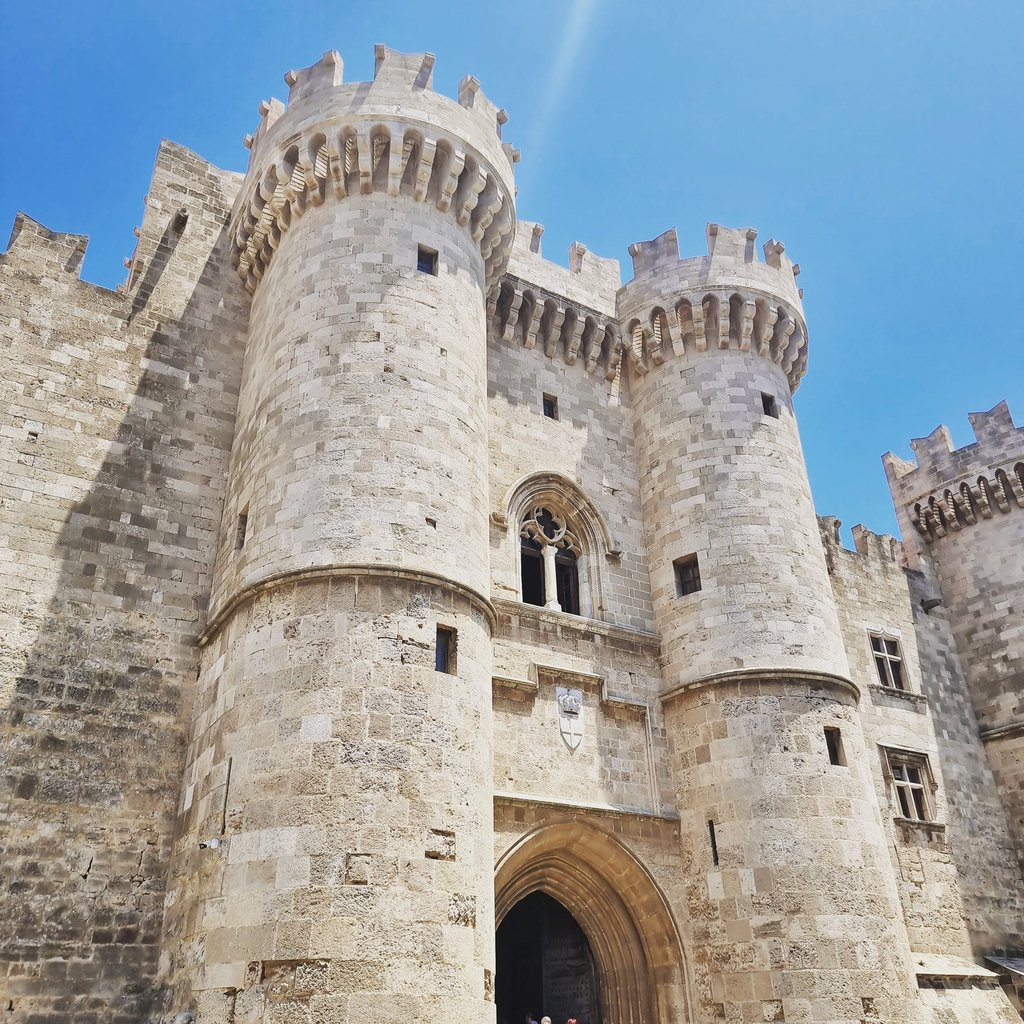
What counts as the Old Town?
Rhodes Old Town is the medieval area enclosed by the city's defensive stone walls. Its gates mark the boundary between the historic streets inside and the surrounding modern town.
The Knights of St John shaped its fortress character, with thick walls, towers and major stone buildings. The Street of the Knights, Palace of the Grand Master and former Hospital of the Knights sit inside this area. The hospital now houses the Archaeological Museum of Rhodes.
It is not only a Knights-era setting. Ottoman buildings, the Jewish Quarter and everyday neighbourhood life add other layers to the streets. Its UNESCO World Heritage status reflects its historical importance, but this is a lived-in place rather than an open-air museum.
Mandraki Harbour sits outside the walls and belongs to the New Town, not the medieval town. The wider city includes both areas; compare things to do in Rhodes Town if you want to explore beyond the gates.
Who will enjoy it most?
You will get the most from the Old Town if you enjoy walking, architecture and noticing small details. You don't need to visit every museum to appreciate it, although history lovers have plenty to explore.
The main streets can be busy with shops and tour groups, especially in peak season. Smaller lanes offer a different atmosphere, but quiet is not guaranteed everywhere. If you dislike souvenir shopping, don't let the busiest streets decide your opinion of the whole place.
- History lovers: The fortifications, Knights-era buildings and later cultural layers give you more than a single castle visit.
- Couples: A relaxed walk through smaller lanes, followed by a courtyard meal or drink, suits the setting better than rushing between monuments.
- Photographers: Stone arches, carved details, old doors and narrow streets provide subjects beyond the familiar palace exterior.
- Independent walkers: The winding lanes reward curiosity. Keep a map handy if getting lost would frustrate you, rather than following a rigid sightseeing checklist.
Who should keep the visit short?
Families with young children may enjoy a focused visit more than a long circuit of monuments. I'd choose one main sight, leave room for a break and stop before the walking becomes a chore. Summer heat and busy streets can quickly reduce everyone's patience.
If you have limited mobility, the cobbled streets and stone steps can make a long wander tiring. A shorter visit with fewer stops is a sensible choice, and some stone surfaces can be slippery. For wheelchair or mobility-aid use, arrange route-specific access advice rather than relying on an improvised walk.
A shorter visit also makes sense if museums, crowds or winding streets aren't your thing. See the medieval setting without feeling obliged to enter every attraction. Use the Rhodes Island Guide to balance this history stop with the beaches, villages or other places you most want to visit.
If you enjoy the stories behind historic buildings, I'd consider a guided walk rather than simply following a map. Browse guided experiences and choose one focused on the medieval town.
Chapter 2 of 10
Which main sights should you choose?
For a focused first visit to Rhodes Old Town, walk the Street of the Knights and choose one main indoor attraction. Pick the Palace of the Grand Master for grand rooms and mosaics, or the Archaeological Museum for ancient history.
Street of the Knights
The Street of the Knights is the best starting point for understanding the medieval heart of Rhodes. This stone-paved street is lined with the historic inns of the Knights of St John and leads directly to the palace.
Its appeal is the street itself: stone façades, historic buildings and a clear connection to the people who once ruled here. You don’t need an indoor visit to appreciate it, so it suits travellers who prefer walking and photography to museums.
I’d make this the essential stop even if you skip both indoor attractions. For more context before you arrive, read about the Knights’ place in the history of Rhodes.
Palace of the Grand Master
The Palace of the Grand Master stands on Ippoton Street, at the top of the Street of the Knights. Choose it if imposing architecture interests you more than a collection of ancient objects.
Built in the 14th century, it served as the Grand Master’s residence, administrative headquarters and defensive stronghold. The Knights ruled Rhodes from 1309 to 1522. Much of the building you see today reflects restoration and rebuilding during the Italian administration in the early 20th century.
Inside, the main draw is the scale of the building. The large stone courtyard is framed by arches and towers, while the grand reception spaces have marble floors, statues and sculptures.
The mosaic floors deserve particular attention. They came from ancient Roman villas and were brought here during the Italian restoration. They are a highlight, but they are not original medieval palace flooring.
For a first visit, I’d choose the palace if you want a strong visual impression of the Knights’ power. If grand halls don’t interest you, admire the fortress exterior and save your indoor visit for the museum.
Hospital of the Knights and Archaeological Museum
The Hospital of the Knights houses the Archaeological Museum of Rhodes on Apellou Street. These are not two separate attractions: you visit the museum inside the former hospital.
The distinction from the palace is useful when choosing. The palace focuses your attention on its courtyard, grand rooms and decoration; the museum brings you closer to ancient Rhodes through its archaeological collections.
This is the stronger choice if ancient Greek culture interests you most. The museum is larger inside than you might expect, so I’d allow a couple of hours if you enjoy taking your time with collections.
Both attractions make sense for a history-focused visit, but you don’t need to squeeze both into a short walk. If museums are a priority throughout your holiday, compare the museums in Rhodes before deciding where to spend your time.
- Choose the palace: you enjoy fortress architecture, large ceremonial rooms and mosaic floors.
- Choose the museum: you are more interested in ancient Rhodes and archaeological objects.
- Choose both: history is a main reason for your visit, and you want time indoors as well as in the streets.
- Keep it outdoors: walk the Street of the Knights and admire the palace exterior if collections and interiors aren’t your thing.
If you prefer stories to exploring alone, browse guided Old Town experiences. Choose one that focuses on the Knights, and check whether palace entry is included.
Chapter 3 of 10
How can you explore Rhodes Old Town on foot?
For a self-guided walk through Rhodes Old Town, start at D’Amboise Gate, then visit the palace, Street of the Knights, Archaeological Museum and Hippocrates Square. Use this as a flexible sightseeing order: you can admire the buildings outside, add indoor visits or wander into smaller lanes.
Start with D’Amboise Gate and the palace
D’Amboise Gate makes a useful starting point because it introduces the fortified city before you reach its main palace. This sequence suits a first visit, but you can join it elsewhere if you are already inside the walls.
- 1. D’Amboise Gate: Begin with the gateway and surrounding defensive stonework. Make this your introduction to the fortifications, without adding a moat or wall-top walk.
- 2. Palace of the Grand Master: Continue to the palace on Ippoton Street, at the top of the Street of the Knights. Its towers and fortress-like exterior make an impressive stop even without going inside. Enter if the grand halls and mosaics interest you; otherwise, continue your walk. See “What should you know before visiting the palace?” for admission and opening details.
Continue along the Street of the Knights
The Street of the Knights keeps the medieval story connected rather than turning your walk into separate photo stops. It links the palace area with the next part of your sightseeing sequence.
Slow down here rather than simply using the street to reach the museum. The stone façades and architectural details are part of the attraction.
- 3. Street of the Knights: Walk along the stone-paved street lined with the former inns of the Knights of St John. Look for coats of arms and carved details as you go. This is an outdoor sightseeing stop; walking past these buildings is separate from entering them.
Add the museum and Hippocrates Square
The museum is the main optional indoor stop in this part of the walk. If ancient Greek history interests you, give it proper attention rather than squeezing it between photographs.
If you are choosing just one indoor visit, compare the palace and museum in “Which main sights should you choose?”. You can also compare museums in Rhodes before deciding how much of your day to spend inside.
- 4. Archaeological Museum of Rhodes: Continue to the Hospital of the Knights on Apellou Street, which houses the museum. You can see the historic building from outside and keep walking, or enter to explore finds from ancient Rhodes. Check current admission and opening arrangements before planning an indoor visit.
- 5. Hippocrates Square: Make the square your final main stop. It shifts the focus from monuments to the Old Town’s busy streets and everyday holiday atmosphere. For a quieter break, look into the nearby lanes and choose somewhere from these Old Town places to eat. Read the menu and prices before sitting down.
Choose a shorter or longer walk
My suggestion: choose your indoor visits first, then leave the rest flexible. You will enjoy the streets more without feeling obliged to enter every attraction.
This is a sightseeing sequence, not a measured route or a step-free itinerary. Cobbles and stone steps can affect your pace, so adapt the walk to your mobility and energy.
- Shorter walk: Keep the five main stops, view the palace and museum from outside, and finish your sightseeing at Hippocrates Square. This suits you if atmosphere and architecture matter more than exhibitions.
- Longer walk: Enter the palace, museum or both, then explore the smaller lanes behind Hippocrates Square. Look for artisan workshops, old houses and quieter cafés. These streets are also a lived-in neighbourhood, so respect private doorways and courtyards.
- Separate extras: Keep the moat and wall-top walk outside this core sequence. Neither is needed to connect these stops. See “Should you explore the moat or walk on the walls?” before adding either.
If you prefer historical storytelling to navigating alone, browse guided walking experiences. Choose one whose listed stops match your interests, and check whether palace or museum admission is included.
Chapter 4 of 10
What should you know before visiting the palace?
The Palace of the Grand Master is on Ippoton Street in Rhodes Old Town, with standard admission at €20 in both seasons. Plan around the seasonal hours below, and remember that exhibitions have different opening arrangements.
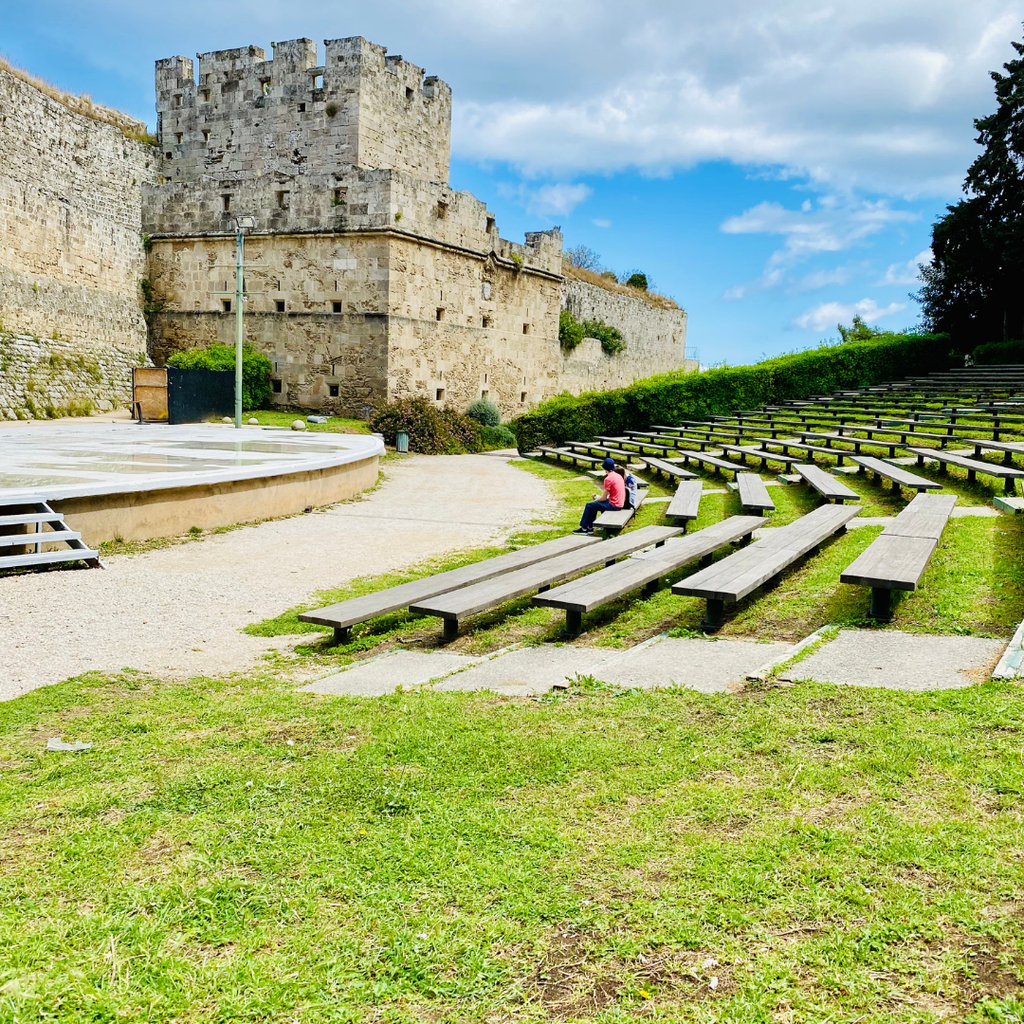
Admission and seasonal opening hours
The standard palace admission price stays the same in winter and summer, but your visiting window changes considerably. Winter visits need earlier planning, especially around the Tuesday closure.
- Standard admission: €20 in both winter and summer.
- Winter, 1 November–31 March: 08:30–15:30; closed Tuesdays.
- Summer, 1 April–31 October: 08:00–20:00.
- Reduced admission: €10 for EU visitors over 65 during eligible months.
- Free admission: EU visitors up to age 25 and non-EU minors up to age 18.
Exhibitions have separate access
An open palace does not mean every exhibition is open. This matters most if you are visiting for a particular display rather than the halls, courtyard and mosaics.
- Winter: both the Byzantine Exhibition and the Ancient Rhodes exhibition are closed.
- Summer Byzantine Exhibition: Monday, Tuesday, Thursday and Friday, 09:00–17:00.
- Summer Ancient Rhodes exhibition: remains closed.
Ticket and audio-tour options
Prices and schedules can change, so use the Palace of the Grand Master ticket and timetable details before booking. You can also check the eligible months for reduced admission there.
My suggestion: if you like exploring independently with historical commentary, consider the optional Palace of the Grand Master ticket and Rhodes self-guided audio tour. This is a separate booking option from the €20 standard-admission summary above; compare its price and inclusions before paying.
If you prefer a guide you can ask questions, browse guided walking experiences and check whether palace entry is included. If ancient history is your main interest, compare museums in Rhodes rather than building your visit around the closed Ancient Rhodes exhibition.
Chapter 5 of 10
Should you explore the moat or walk on the walls?
The moat and the wall-top walk are different experiences, with separate access arrangements. Choose the moat for views up at the fortifications, or the optional Walk on the Wall for views across Rhodes Old Town.
The moat below the fortifications
The medieval moat runs below the defensive walls and gives you a better sense of their scale. It was a dry moat, designed to slow attacking armies rather than hold water. Today, its green surroundings offer a different setting from the shopping lanes inside the town.
The moat’s total length is 2,300 metres. That describes the moat itself, not an available walking distance or a guaranteed continuous circuit. Keep your walk flexible and follow the sections open during your visit.
I’d choose the moat if you want to photograph the walls from below or take a break from the busiest streets. It can feel calmer, but you won’t necessarily have it to yourself. Late-afternoon light is especially appealing when the stone takes on warmer colours.
The separate Walk on the Wall
The Palace of the Grand Master courtyard is the listed location for the separate Walk on the Wall. This is the elevated experience, not the moat path below. Check current access, opening times and admission at the palace before building your day around it.
Keep the wall walk as an optional addition, rather than a fixed circuit around the Old Town. The sections available determine how far you can go and which views you get. It makes most sense alongside a palace visit, rather than as the only reason for coming into town.
This option suits you best if you enjoy medieval architecture and seeing the town from above. It is less appealing if you want a shaded stroll, especially in summer. Spring and autumn generally make the exposed walk more comfortable.
If you’d like someone to explain the defences, browse guided historical walks and choose an itinerary that explicitly includes wall access. For a broader sightseeing plan, compare the fortifications with other Rhodes sights worth visiting before filling your day.
Towers, gates and views
The Knights of St John built much of this defensive system during the 14th and 15th centuries. Thick walls, towers, bastions and the moat worked together to protect the city. The defences resisted several sieges before the Ottoman capture of Rhodes in 1522, a turning point in Rhodes’ history.
Look at how the towers overlook the surrounding land and sea, and how the gates sit within layered defences. D’Amboise Gate, the Gate of Saint Athanasios and the Gate of Saint John are useful names to recognise. They are features of the wider fortifications, not a promised sequence on the wall-top walk.
- Towers: look for medieval stonework and the positions that gave guards a clear lookout.
- Gates: notice the defensive layers around entrances, rather than seeing each gate as just a doorway.
- Dry moat: from below, appreciate the height of the walls; from above, see the space separating them from approaching attackers.
- Town and garden views: available wall sections can reveal rooftops, courtyards and gardens hidden from the streets, with some views towards the harbour and sea.
Chapter 6 of 10
What is worth seeing beyond the main Knights’ sights?
Explore the smaller lanes of Rhodes Old Town if you want more than the palace-and-museum circuit. The mosque, Jewish Quarter, churches and backstreets reveal different sides of the town, so choose what interests you rather than visiting everything.
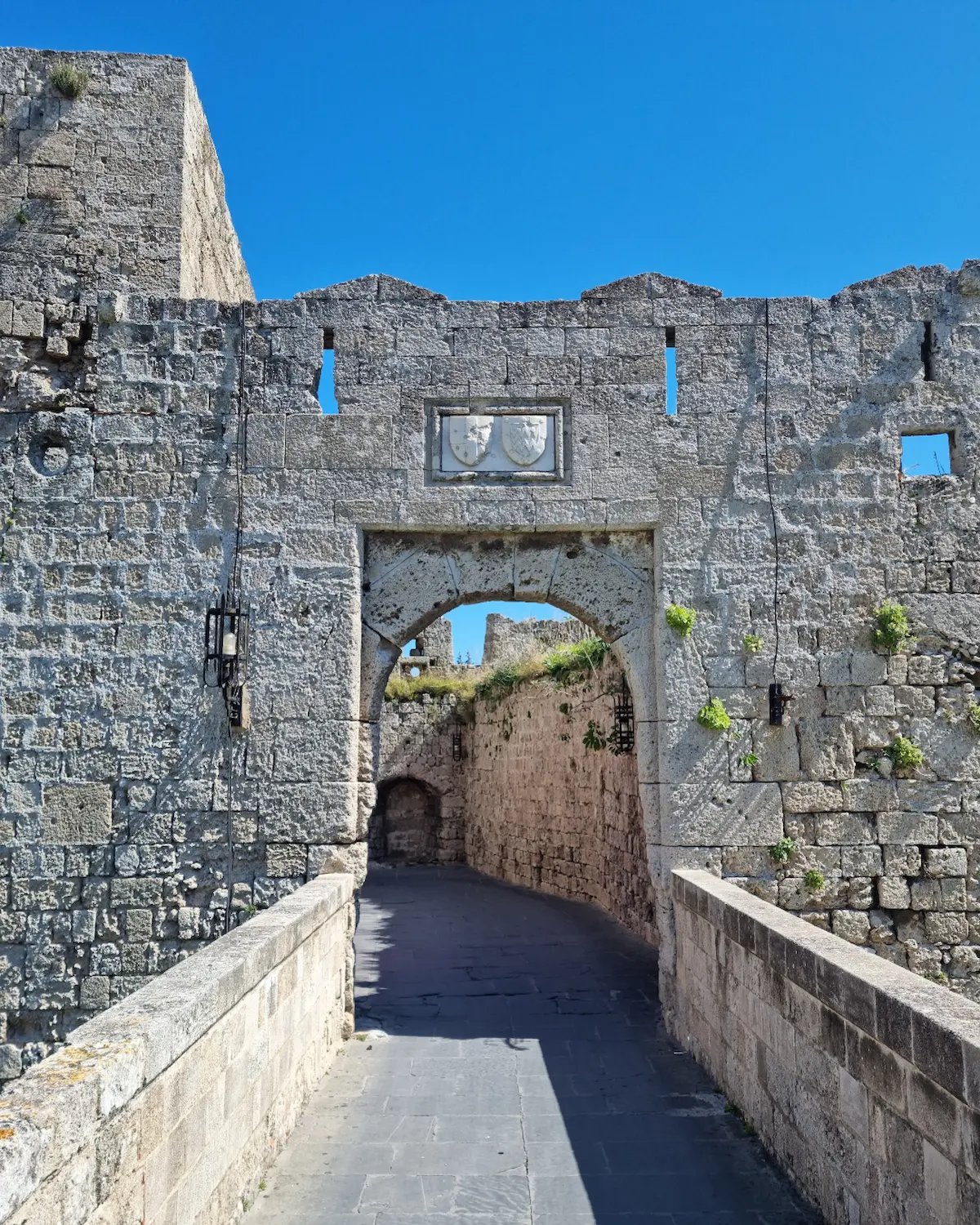
Suleymaniye Mosque and the Turkish Quarter
The pink façade of Suleymaniye Mosque makes a striking change from the Knights’ stone buildings. It is a useful stop if you want to see the Ottoman side of the Old Town, not just its medieval fortifications.
The lanes behind it deserve as much attention as the mosque itself. Look for Ottoman houses, old fountains and residential streets where families sit outside in the evenings. These are lived-in neighbourhoods, so keep voices low and give people their privacy.
I’d choose this area for a slow wander rather than another major interior visit. The side streets are also worth exploring for bakeries. If the different periods catch your interest, explore the history of Rhodes for more context.
Roloi Clock Tower
Roloi Clock Tower is the option to consider if rooftop views interest you more than another museum. Its appeal is seeing the Old Town’s roofs and tightly packed streets from above.
If the view is your main reason for stopping, check current visitor access locally before planning around a climb. Keep it as an optional extra rather than making your afternoon depend on tower entry or a sunset visit.
The Jewish Quarter and synagogue
Choose the Jewish Quarter if you want to understand a part of Rhodes that the Knights’ monuments cannot explain. The synagogue is an important focus here, while the surrounding streets offer a quieter, colourful setting for exploring.
This is more than a photo detour: the area’s Jewish history deserves time and attention. If that history is your priority, I’d favour a focused guided visit over simply passing through the lanes.
Keep any synagogue visit separate from your general street wander, with interior access subject to the arrangements displayed locally. At religious sites, follow posted guidance on dress, photography and visitor behaviour.
Panagia tou Kastrou and Agia Triada
Panagia tou Kastrou and Agia Triada are notable churches to include if religious buildings interest you. They add another side to an Old Town visit otherwise dominated by the palace, hospital and defensive walls.
I’d keep them as optional architectural stops rather than promise yourself two church interiors. You can appreciate their place in the town without building your day around entry; follow any visitor information displayed at each building.
Courtyards and lanes near Hippocrates Square
Hippocrates Square gets the attention, but moving one or two streets behind it changes the feel of your walk. Look for artisan workshops, quieter cafés, old houses with original doors and small family-run shops.
This is the area I’d choose for browsing and noticing everyday details rather than ticking off monuments. Stone archways, flower pots, wooden balconies and courtyard greenery give you plenty to enjoy from the public lanes. It suits an unhurried wander more than a tightly scheduled sightseeing stop.
For shopping, favour workshops where you can see someone making things over shelves of identical souvenirs. For a coffee break, look for shade and small outdoor seating away from the busiest square. If you want a courtyard meal afterwards, choose somewhere using these Old Town restaurant recommendations rather than stopping at the first person calling you inside.
My suggestion: If Jewish or Ottoman history is your main interest, browse guided walking experiences and choose an itinerary that specifically includes it.
Chapter 7 of 10
When is the best time to explore?
Start early for a summer walk through Rhodes Old Town; spring and autumn are better for longer outdoor exploring. Avoiding midday heat matters more than squeezing every landmark into one outing.
Early visits and summer heat
In summer, I'd start your street wandering before 10:00 rather than arrive around lunchtime. Early mornings are cooler, and you can enjoy quieter lanes before the larger tour groups arrive.
The exposed fortifications are particularly uncomfortable under strong summer sun. Keep the outdoor part shorter on hot days, and leave time for a shaded break rather than pushing through.
Late afternoon and evening are lovely for wandering, especially if you mainly want atmosphere and photographs. But an evening street walk is not the same as a sightseeing visit: ticketed attractions have separate opening and entry times.
Spring and autumn walks
Spring and autumn bring milder temperatures, making longer walks more comfortable. They suit you especially well if you enjoy medieval architecture, photography and slow exploring more than rushing between major sights.
These seasons give you more freedom to linger in the lanes without building every outdoor stop around summer heat. If heat makes sightseeing tiring, I'd choose them over peak summer for an Old Town-focused trip.
For the rest of your holiday, compare when to visit Rhodes before choosing your dates. Comfortable walking weather and attraction opening times are separate parts of that decision.
Holiday closures and indoor sightseeing
In the 2026 timetable, archaeological sites, monuments and museums close on Easter Sunday and 1 May. Rhodes Old Town itself does not close: it is a living neighbourhood, and you can still explore its streets.
Arrange the day around the indoor attraction you most want to enter, then fit the streets around it. Choose the Palace of the Grand Master or the Archaeological Museum first, and check its opening and exhibition access once your date is set.
If ancient history is your priority, allow the Archaeological Museum a proper visit rather than using it only as a heat break. You can compare Rhodes museums to decide which deserves your time.
Keep late-day wandering as the flexible part of your plan. That way, a relaxed walk does not cost you the indoor visit you came for.
Chapter 8 of 10
How should you get to Rhodes Old Town?
Walk to Rhodes Old Town if you’re staying nearby, or arrive by bus, car or transfer from elsewhere. Once you reach the medieval area, plan to explore on foot.
Walking from elsewhere in Rhodes Town
If you’re staying nearby in Rhodes Town, I’d walk rather than arrange transport just for this visit. Mandraki Harbour sits beside the medieval walls, but it belongs to the New Town rather than the Old Town.
Choose your approach from your accommodation, then continue through the gates on foot. Allow for that walk as well as your sightseeing, especially if long walks are tiring for you.
Arriving by bus or car
Rhodes Town is the island’s main transport hub, with bus connections from many resorts. Use Rhodes bus routes and travel advice to plan your journey, including the return. Services change seasonally, so check current timings before setting out.
If you’re driving, look for signed legal parking around the Old Town approaches, then walk in. Don’t set an indoor attraction such as the palace as your driving destination. Follow local road and parking signs rather than trying to follow navigation into the medieval streets.
Transfers and local travel help
If you prefer a direct journey, I’d suggest arranging a transfer rather than planning around bus connections. Agree on a practical drop-off and return meeting point, allowing for the walk between it and your sightseeing.
You can also discuss journey arrangements with GES Travel via WhatsApp. Share where you’re starting, your preferred return time and any walking needs so you can agree on a suitable meeting point.
A short note for cruise visitors
Keep your ship’s all-aboard time in mind and leave a comfortable margin for getting back. For port-specific arrival and return details, start with planning a Rhodes cruise stop.
Chapter 9 of 10
What makes the walk more comfortable?
For a comfortable walk through Rhodes Old Town, wear comfortable shoes with grip, carry water and leave room for breaks. Cobbles, slippery stone steps and outdoor sightseeing make a short, relaxed visit better than a packed checklist.
Shoes for cobbled streets
Choose shoes you already know are comfortable, with soles that grip well. The Old Town’s cobbled lanes and stone steps need more care than a smooth promenade.
Keep your pace steady and watch your footing, especially on slippery stone. For more detailed footwear choices, see what shoes to wear in Rhodes rather than buying something just for this walk.
Water, sun protection and breaks
Bring water into the Old Town rather than waiting until you feel thirsty to find a shop. Shops can be spaced apart along your chosen walk, even though the main shopping streets feel busy.
Use sunscreen and bring a hat for the outdoor parts of your visit. If you add the wall walk, carry your water with you: the walls are exposed, with no cafés or shops along them.
Make a seated break part of the plan, not a reward for finishing every sight. Look for a shaded backstreet café, or consider Socratous Garden for drinks under the trees. If you want a proper meal break, choose somewhere from these Old Town restaurants and read the menu prices before sitting down.
Walking with children or limited mobility
With children, I’d choose a shorter walk and one indoor attraction rather than several museums and extra outdoor loops. The Street of the Knights and the Palace of the Grand Master make a focused plan for families interested in castles.
Inside the palace, let the halls and mosaic patterns be the main event rather than trying to cover every room. Choose the Archaeological Museum instead if ancient Greek objects appeal more to your family. An indoor visit still involves walking, so keep a separate seated break.
For limited mobility, the cobbles and stone steps deserve careful planning. Access needs vary, so a single accessible-or-inaccessible label is not helpful for the whole Old Town. Choose your essential stops first, then arrange arrival and meeting points around your walking range or mobility aid.
- With a pushchair: keep the route short and allow extra time over cobbles.
- With a wheelchair or walking aid: discuss the approach and entrance arrangements with your chosen attraction or tour provider before committing.
- With limited stamina: make one sight the priority and leave the rest optional, including the moat and wall walks.
- In a group: agree on a named meeting point so anyone who needs a break can stop without feeling rushed.
Chapter 10 of 10
What can you combine with your Old Town walk?
Combine your Rhodes Old Town walk with a food break inside the walls or a waterfront stroll at Mandraki Harbour. I’d choose one relaxed extension rather than squeeze in another long list of attractions.

A food or coffee stop inside the walls
A shaded courtyard lunch is a good choice if you’ve had enough walking. For coffee, try a quieter backstreet café with small outdoor tables rather than choosing the first seat beside a fountain.
Look for pitaroudia, Rhodes’ chickpea fritters, alongside stuffed vegetables, grilled octopus and local wine. Read the menu and prices before sitting down, especially around the main squares, and skip places with pushy staff.
- Traditional meals: Mama Sofia offers a broad menu; Taverna Kostas is a good choice for traditional food.
- Dinner options: Romeo Restaurant combines food with Greek nights; MELI Restaurant serves Greek dishes.
- Drinks and shade: Socratous Garden is a choice for drinks under the trees. Beerõkouto suits Greek craft beer drinkers.
- Something sweet: Palladio is an option for an ice-cream stop.
- For a fuller meal plan, compare places to eat in Rhodes Old Town.
Mandraki Harbour, windmills and deer statues
Mandraki sits outside the medieval walls and belongs to the New Town, not Rhodes Old Town. It’s an easy waterfront extension on foot, with no need to move a car between the two.
The public waterfront is free to visit. Choose it for sea views and a gentle change of scene, rather than another museum-style stop.
- Windmills: These medieval mills stand along the breakwater. They once ground grain brought in by merchant ships.
- Deer statues: Elafos and Elafina stand on columns at the harbour entrance and have become symbols of Rhodes.
- Fort Saint Nicholas: The Knights of St John built this fortress to protect the harbour entrance. You can see it from the waterfront, but entering it depends on visitor access; check locally if going inside matters to you.
- Marina and waterfront: Watch yachts, fishing boats and excursion boats, with views towards the Old Town walls and the Aegean Sea.
A boat trip after sightseeing
Many sailing outings and excursions leave from Mandraki, making a boat trip a natural follow-on to an Old Town walk. Options include swimming cruises towards Anthony Quinn Bay, Lindos boat routes and sunset sails.
Start by comparing Rhodes boat trips, then fit your sightseeing around the departure you choose. Check the exact meeting point and boarding time on your booking, rather than simply heading towards the harbour.
Leave enough space for lunch, the walk to the boat and finding the right berth. I’d pair a shorter Old Town visit with a later sailing, rather than rush through several ticketed sights before departure.
If you only want harbour photos, visit early or late instead. Morning is usually calmer, while sunset brings warm light to the windmills and walls; midday can be busy with groups.
Staying nearby and exploring more of Rhodes
Rhodes Town suits you if you want the Old Town, harbour, restaurants and transport connections close together. Start with choosing where to stay in Rhodes Town to compare areas before booking.
Staying nearby also lets you split sightseeing across separate walks instead of fitting everything into one day. Once you’ve settled that part, move on to planning the rest of your Rhodes trip.
Book an experience or arrange your journey
transfersFrequently asked questions
Is Rhodes Old Town the same as Rhodes Town?
No. Rhodes Old Town is the medieval area within the walls. Rhodes Town also includes the New Town and Mandraki Harbour.
What should I see first in Rhodes Old Town?
Start with the Street of the Knights and the Palace of the Grand Master. Add the Archaeological Museum if you want another indoor visit, then explore the smaller lanes.
Can I explore Rhodes Old Town without a guided tour?
Yes. You can follow a self-guided sequence between the main sights. Keep museum visits separate from your walking plan because admission and opening hours vary.
How long should I allow for Rhodes Old Town?
I'd leave a generous part of your day rather than squeeze it between bookings. Your pace will depend on museum visits, food stops and how much you enjoy wandering.
Where are the palace and Archaeological Museum?
The Palace of the Grand Master is on Ippoton Street. The Archaeological Museum is housed in the Hospital of the Knights on Apellou Street.
How much does the Palace of the Grand Master cost?
Standard admission is listed at €20 in winter and summer. Reduced and free admission categories also apply, depending on age, nationality and season.
Are the medieval moat and the wall walk the same thing?
No. The moat runs below the fortifications and has a total length of 2,300 metres. The separate Walk on the Wall is listed at the palace courtyard; that moat length is not a wall-walk distance.
Does Rhodes Old Town close on public holidays?
The whole Old Town does not close when its museums do. Ticketed archaeological sites, monuments and museums close on Easter Sunday and 1 May in the 2026 timetable.
Is Rhodes Old Town suitable for children?
It can be, especially with a short route and regular breaks. I'd choose one main attraction rather than several museums, and avoid the hottest part of a summer day.
What shoes should I wear in Rhodes Old Town?
Choose comfortable shoes with good grip for the cobbled streets. I'd put walking comfort ahead of appearance for this visit.
Can I visit Panagia tou Kastrou and Agia Triada?
Both are notable churches to look for while exploring the medieval streets. Plan them as sightseeing stops, with any interior visit depending on access that day.
Can I combine Rhodes Old Town with Mandraki Harbour?
Yes. Mandraki makes a useful waterfront addition, but it belongs to the New Town. Its windmills, deer statues and harbour views offer a change from the medieval lanes.
Related pages
- History of Rhodes Greece – The Wild Story Behind the Island (Myths, Wars & Knights)
- Top Museums in Rhodes: Where to Go for History
- 12 Best Rhodes Old Town Restaurants (2026) – Local Guide
- Rhodes Bus Guide (2026): Routes, Prices + Airport Bus Tips Most Tourists Miss
- Where to Stay in Rhodes Town (2026) – Best Hotels & Area Guide
Planning your complete Rhodes holiday?
Our Island Mega Guide brings together everything you need to plan your Rhodes holiday, from choosing where to stay and finding the best beaches to transport, activities and practical travel advice.
Open the Rhodes Island Guide