
Area guide
Massari guide: what to know before you go
Massari is an orange-growing village near Rhodes’ east coast, close to Haraki but with a very different purpose: this is a residential and agricultural settlement, not a beach resort. Come for its parish church, older religious sites and village traditions, then combine it with the coast.
For most visitors, Massari works best as a stop within an east-coast day out. Staying here makes sense if you want quiet surroundings and will drive to beaches and bigger sights. For the wider island layout, start with the Rhodes Island Guide.
Where Massari is and what makes the village different
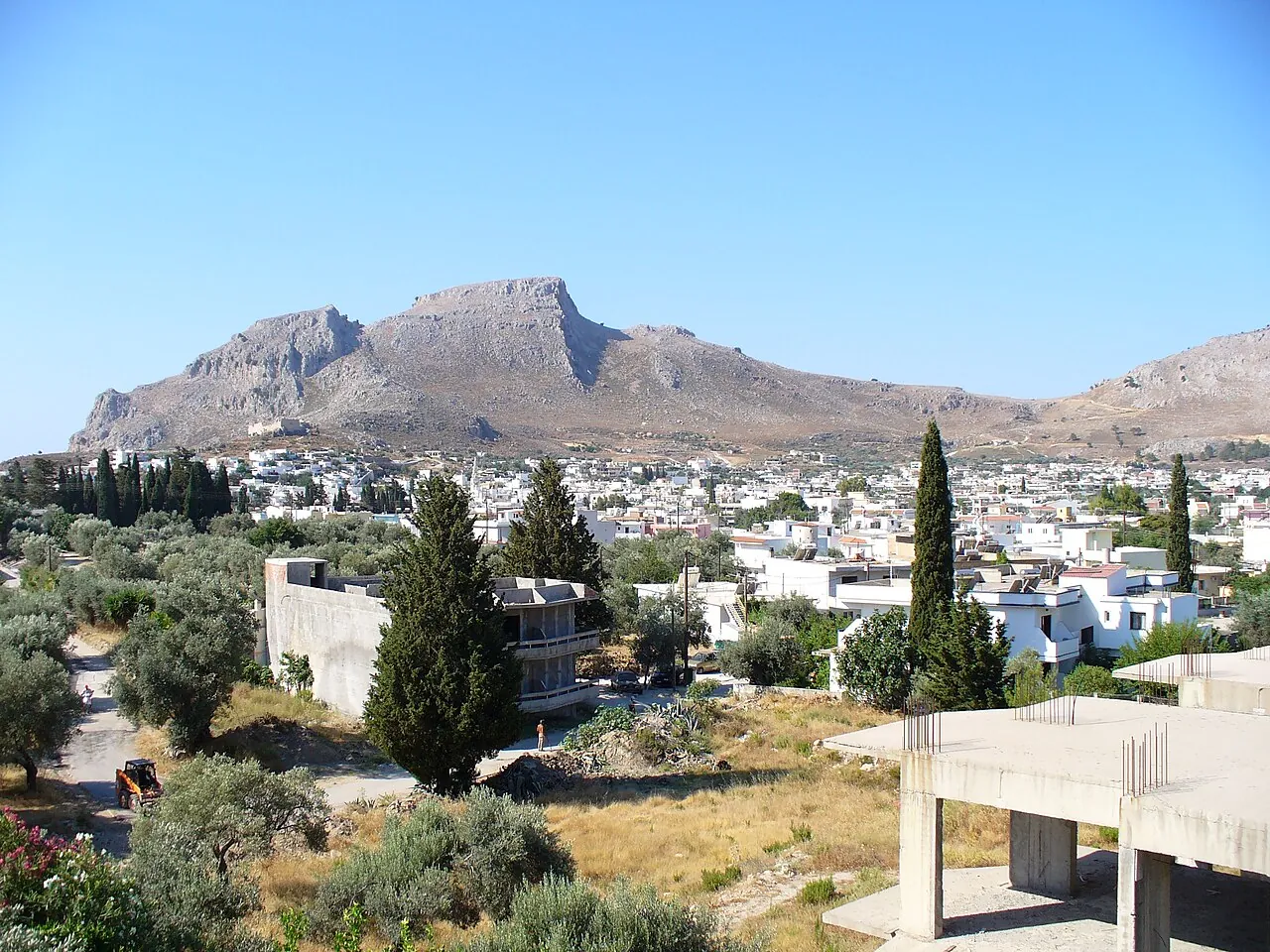
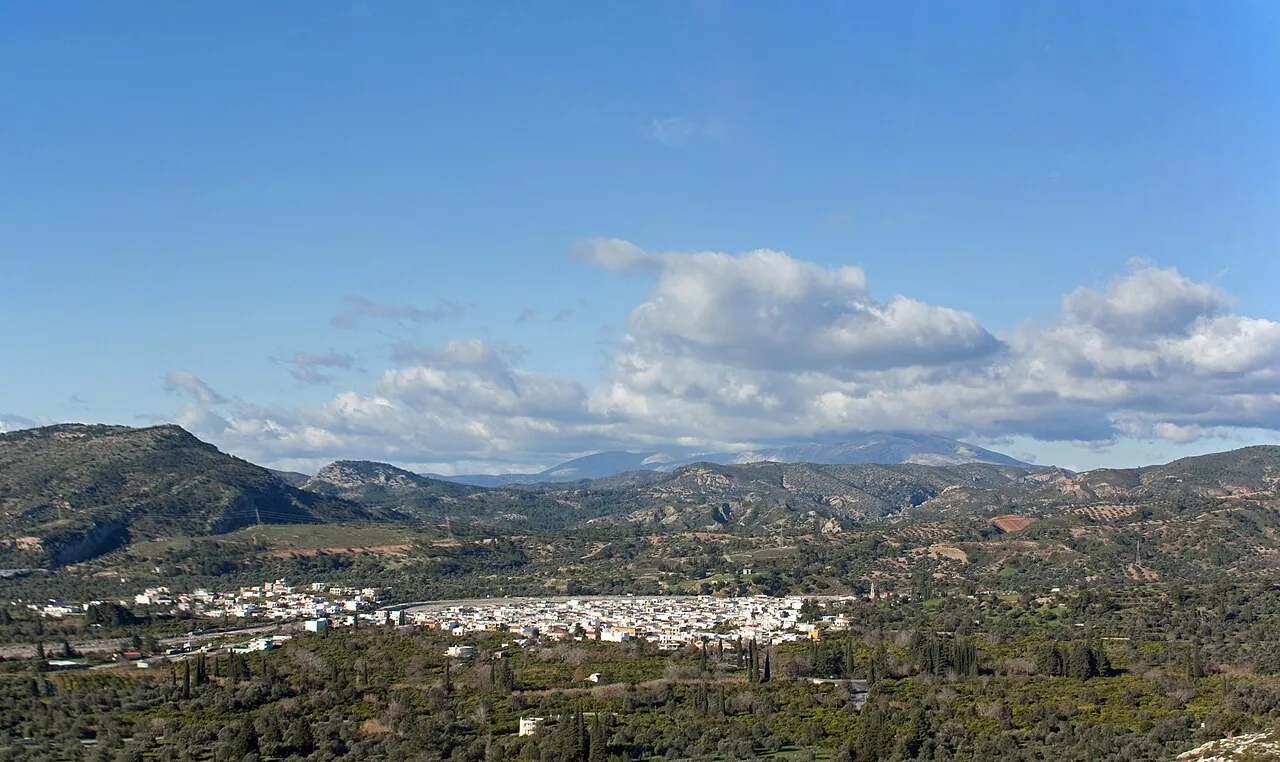
You may see the name written as Masari as well as Massari. The village lies near the Rhodes Town–Lindos road, with citrus orchards and olive groves around it and pine and cypress woodland in the surrounding landscape. Haraki is the nearby coastal counterpart; do not confuse a village-centre address with beachfront accommodation.
Oranges are central to Massari’s identity, not merely a decorative feature of the countryside. The annual Orange Festival celebrates that agricultural connection, while religious processions and village feasts remain another important part of local life.
A walk through the centre brings together whitewashed houses, older lanes and the neoclassical village school beside the parish church. That is the right scale for a visit: look closely at a few buildings rather than expect a long sightseeing circuit. There are countryside trails around Massari too, but ask locally about a suitable route before setting off; an orchard track is not automatically a public walking route.
Massari’s parish church, Agios Ioannis and Kameiri
Make the Church of the Entry of the Virgin to the Temple your first stop. Standing in the village centre, it was built between 1863 and 1867. Its single-naved, cruciform design contains frescoes dated 1867 and an elaborate carved wooden iconostasis from the same building period.
The details reward a slower look: the pebble floor preserves dates ranging from 1865 to 1908, while the bell tower was built in 1870. The neoclassical school next door makes this the most useful starting point for understanding Massari’s built heritage.
Two older religious sites broaden the visit. Agios Ioannis, or Saint John, is an old Byzantine chapel near the main Rhodes Town–Lindos road. Kameiri, also written Kamiri or Kammyri, is the Byzantine monastery of the Archangels, dated to the 15th century, on the hill northwest of the village.
Do the central church first and treat the outlying sites as additions, rather than building your entire day around access to their interiors. Dress respectfully, keep voices low during worship and ask before photographing inside.
Massari Orange Festival and religious celebrations
The Orange Festival is the event most closely tied to Massari’s farming identity. Celebrations at Agios Ioannis bring together citrus-based food, traditional music and dancing. Orange pies, spoon sweets, jams and citrus liqueurs are among the preparations associated with the event. Check the current announcement locally rather than planning around a previous year’s date.
The patronal celebration of the Entry of the Virgin to the Temple falls on 21 November. It is a major local occasion: vespers take place on the eve, followed by the feast-day liturgy, a procession of the icon and a traditional gathering in the village square.
Another distinctive custom takes place on Easter Friday, the feast of the Life-giving Font. The icon is carried to the chapel of that name near the Italian bridge in the Gadouras area. Because it follows Orthodox Easter, its calendar date changes.
Summer religious celebrations include the Transfiguration of the Saviour on 6 August and the commemoration of Saint John the Baptist on 29 August. Confirm the programme for evening festivities locally; a feast day does not guarantee the same entertainment schedule every year.
Beaches near Massari and places worth combining
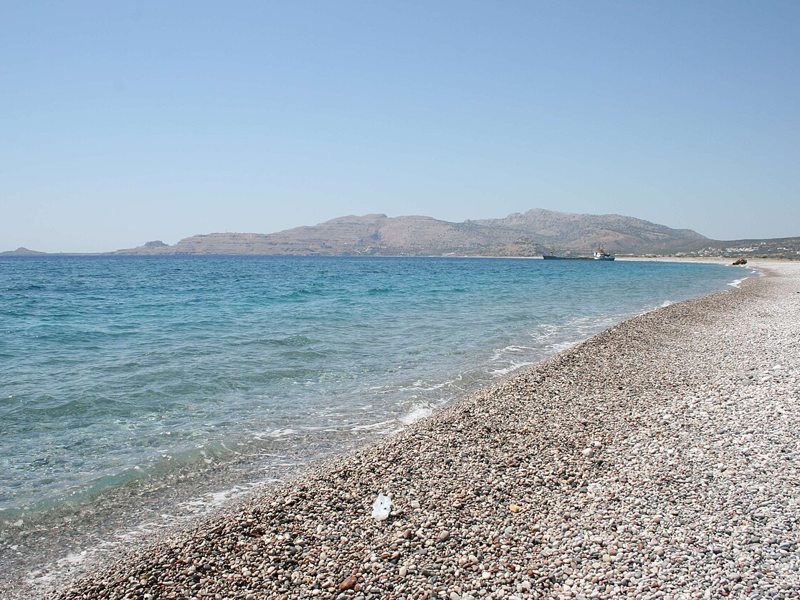
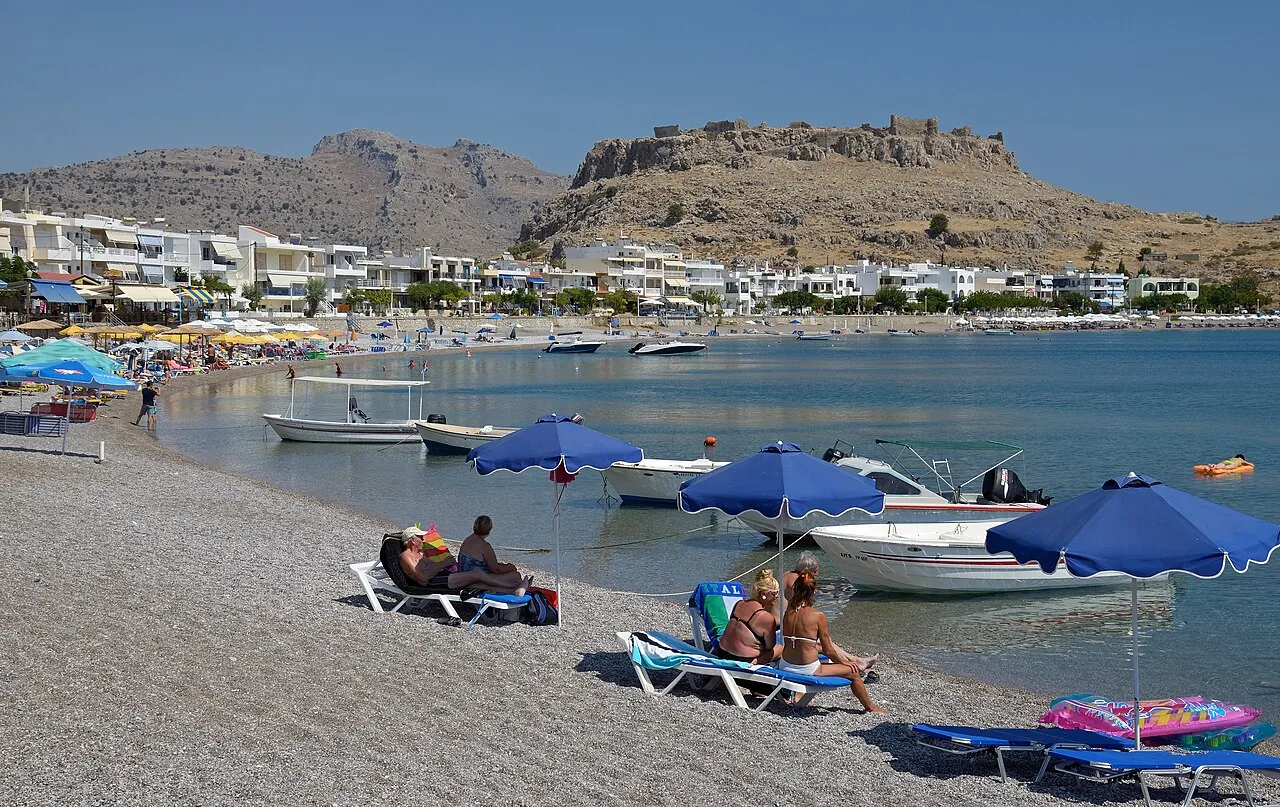
For the simplest village-and-sea combination, choose Haraki (Charaki), 4.5 km away and a typical 5–10-minute drive. Its bay, fish tavernas and beach bars give you the coastal element that a visit to Massari’s centre does not.
Feraklos Castle adds a historical stop in the same coastal area. The ruined Hospitaller fortress dates to the 15th century. Nearby Agathi also has the chapel of Saint Agatha, dated to the 14th–15th centuries, beside its namesake beach. Use Agathi Beach Rhodes: Guide to this Wild & Sandy Bay to plan the beach portion separately.
For a different pairing, combine Archangelos, 8.2 km from Massari, with Stegna. Stegna Beach is 11 km from Massari, with a typical drive of 15–20 minutes. This is a better-shaped outing than trying to fit every nearby bay into one day.
Lindos is the obvious larger sightseeing addition: 14 km away, usually 20–25 minutes by car. Give Lindos its own substantial part of the day rather than treating it as a quick detour after several beach stops.
- Choose Massari, Haraki and the Agathi area for a compact village-and-coast outing.
- Choose Massari and Lindos when historic buildings are your priority.
- For a dedicated beach day, Tsambika Beach is 13 km away; see Tsambika Beach Rhodes: Golden Sand & a Full Day Out.
Food, cafés and everyday amenities in Massari
Massari has a handful of tavernas and a small accommodation offering rather than a developed resort dining scene. Keep your meal plans flexible, particularly if you arrive between normal mealtimes. For a meal beside the water, make Haraki your deliberate lunch or dinner stop.
The Orange Festival is the clearest opportunity to explore the village’s citrus food traditions. Do not assume that festival specialities are available from a permanent shop throughout the year.
For a longer stay, ask your host specifically about groceries, the nearest café, cash access and any pharmacy needs before arrival. The useful question is what you can reach from your actual accommodation, not simply what appears under the wider Massari place name. Bring water for church and countryside outings rather than relying on finding somewhere open beside each stop.
Is Massari a good holiday base or better as a day trip?
For a first Rhodes holiday, choose Massari as a day-trip stop unless you specifically want a quiet village stay. Its small selection of rooms suits travellers who value separation from resort life and are happy to travel out for beaches and sightseeing.
A rental car makes that arrangement much more practical. Without one, you need to organise each coastal outing around buses or taxis, rather than simply walking out to a resort beach. If swimming and waterfront dinners are your daily priorities, stay on the coast instead.
Before booking, check the exact accommodation pin, parking arrangements and access to meals. Compare the village setting with other Areas of Rhodes, especially if members of your group want different levels of independence.
Getting to Massari by car, bus or taxi
Road access is via the Rhodes Town–Lindos corridor. A car is the most useful option if you want to combine the village, outlying churches and a beach without coordinating separate journeys.
For buses, the crucial distinction is between Massari centre and Massari Crossroad on Rhodes–Lindos Avenue. KTEL lists these separately as stop 95, MASSARI CENTER, and stop 39, MASSARI CROSSROAD. Do not assume a service passing the junction enters the village.
Check the live Rhodes bus timetables for your date, both directions and the exact stop before travelling. Plan the return first, especially if you intend to stay for a festival or dinner.
A taxi is a practical alternative for a single outing or airport arrival. Agree the pickup point and return arrangements rather than assuming a car will be waiting in the village. Use Rhodes taxi prices when planning, and request a quote for your specific journey.
Road distances and driving times from Massari
Use these figures to choose a manageable outing. Typical drives are not bus journey times, and parking or walking to the final sight will add to your day.
| From Massari to | Road distance | Typical drive |
|---|---|---|
| Haraki (Charaki) | 4.5 km | 5–10 min |
| Archangelos | 8.2 km | 10–15 min |
| Stegna Beach | 11 km | 15–20 min |
| Seven Springs | 12 km | 20–30 min |
| Tsambika Beach | 13 km | 20–25 min |
| Lindos village | 14 km | 20–25 min |
| Rhodes Airport | 37 km | 45–65 min |
| Rhodes Old Town (Mandraki) | 40 km | 50–70 min |
Massari questions answered
How far is Massari from Rhodes Town?
Massari is 40 km by road from the Rhodes Old Town–Mandraki area. Allow a typical drive of 50–70 minutes.
Is Massari the same place as Haraki?
No. Massari is the village associated with citrus growing and historic churches; Haraki is the nearby coastal settlement. They are 4.5 km apart by road, typically a 5–10-minute drive.
When is the Massari Orange Festival?
It is an annual celebration, but its exact date should be checked locally each year. Expect citrus-based dishes and sweets alongside traditional music and dancing, rather than a fixed-date religious feast.
Can you reach Massari by bus?
Yes, but check whether your service stops at Massari centre or Massari Crossroad on the main road. These are separate stops, so confirm both your arrival and return arrangements.
Which church should you visit in Massari?
Start with the Church of the Entry of the Virgin to the Temple in the centre, noted for its frescoes, carved iconostasis and pebble floor. Add Agios Ioannis and Kameiri if you want to explore the older religious sites outside the centre.
Plan where to stay in Rhodes
- Where to Stay in Rhodes — All 16 main areas and every village guide
- Rhodes Area Comparison — Areas side by side by travel style
- Rhodes Greece Hotels — Hotels by area, style and budget
- Top Hotels in Rhodes — My curated hotel picks, area by area
- Where to Stay Without a Car — Walkable bases with good bus links
- Where to Stay With Kids — Family areas by age and holiday style
- Best Villas in Rhodes — My handpicked villas, ready to book