

Looneytravels
Read Full Rhodes Island Guide
Book Rhodes
Haraki, Rhodes
Photo: Ввласенко, CC BY-SA 3.0 via Wikimedia Commons

Destination

Haraki (Charaki), Rhodes: Where to Stay and Explore

Discover Haraki, Rhodes: a peaceful village bay with waterfront tavernas and Feraklos Castle views. Plan your stay, meals, transport and nearby outings.

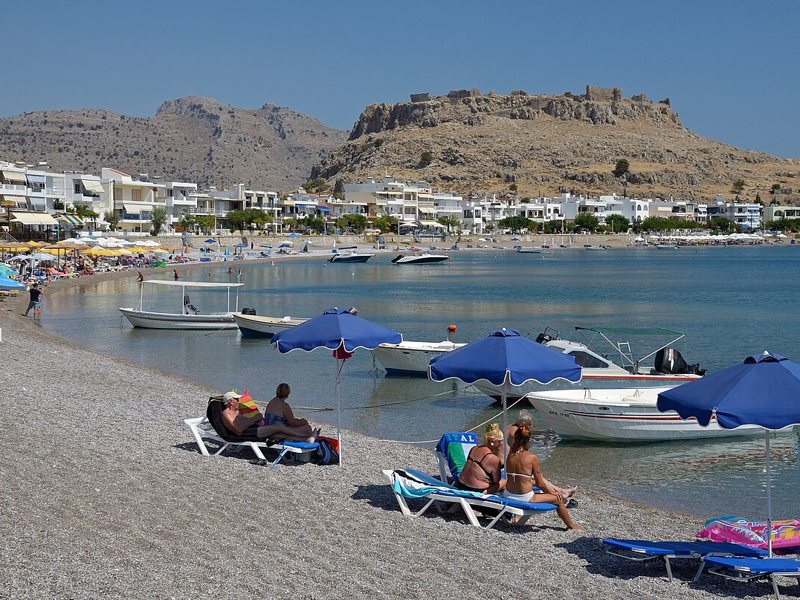
Haraki is a small seaside village on Rhodes’ east coast, where life follows a horseshoe-shaped bay. Family-run tavernas line the promenade, low buildings face the water, and the ruins of Feraklos Castle rise on a nearby hill. Also written Charaki, it is a place for morning swims, waterfront lunches and quiet evening walks.

I’d choose Haraki if you want the sea and village life together rather than resort entertainment. Couples, independent travellers and families who enjoy a gentle pace can settle into its simple rhythm: swim, stop for coffee, and leave enough time for dinner beside the bay.

The main Haraki guideHaraki Beach Rhodes 2026 — Clear Water & Village Vibes

Plan your visit

Book your Haraki trip

Car Rentals

Want to see more than one place?

Explore Rhodes freely

Reach every beach and village on your own time — in Haraki

Book a Car
The best beaches are reached by sea.Day cruises, Symi and private charters — in HarakiSee Boat Trips

Nearby

Close to Haraki

What is Haraki like?

Haraki feels peaceful without being isolated. Shops, cafés and restaurants are gathered close to the waterfront, so swimming and lunch need not become separate excursions. Rugged hills and a small harbour add to the setting, while the promenade gives you a straightforward way to enjoy the village with the sea beside you.

This is not a destination built around loud music or late nights. Evenings mean conversation over dinner, taverna lights reflected on the water and a stroll along the bay. It suits travellers who would happily repeat a favourite morning swim rather than visit a different beach every day.

The village bay and Haraki Beach

Clear water is a major part of Haraki’s appeal. The curved bay offers some shelter, but its mostly pebbled shore matters when choosing it for a holiday: this is not the obvious choice for soft sand or children’s sandcastle days. Water shoes can make the entry more comfortable for sensitive feet.

A peaceful-looking bay is not a swimming-safety guarantee. Look at the waves, footing and depth before entering, and keep younger swimmers close. Wind can still affect conditions. For detailed swimming advice, sunbeds and waterfront facilities, use the Haraki Beach guide.

For a simple visit, I’d arrive for a morning swim, pause for lunch and make another beach session optional. Bring water, sun protection and a hat, and take a proper shade break during the hottest part of the day.

Food and drink along the waterfront

Restaurants in Haraki are part of the reason to come, not merely somewhere to refuel. Choose a waterfront taverna for lunch after swimming or an unhurried evening meal. Classic Greek seafood suggestions include sea bream, marinated anchovies and grilled squid; for a quicker bite, look out for fried calamari cones along the promenade.

For a more rustic meal, explore the road between Haraki and Agia Agathi. Unassuming roadside fish tavernas may explain the day’s catch verbally rather than through a printed menu. On the approach from Malona, look out for roadside stands squeezing fresh orange juice from the region’s orange crop.

Cafés and small supermarkets close to the shore make coffee stops and everyday refreshments easy to fit around your day. Bring some cash for small purchases, as some smaller shops prefer it.

Staying in Haraki and choosing your base

Haraki works best as a base when you want repeat beach days and meals within a short village walk. When choosing accommodation, prioritise its actual route to the waterfront and shops rather than a general Haraki location label. If walking is difficult, ask about distance, slopes and steps between the property, promenade and shore; the pebbled beach is a separate consideration from the village walk.

Its northern neighbour, Stegna, offers a similar small-seaside-village atmosphere with waterfront dining. Haraki’s sheltered bay is the draw if you favour generally calmer water, while Stegna’s bay feels more spacious. Neither comparison replaces checking swimming conditions on the day.

If Haraki sounds too quiet, Pefkos offers a low-key evening scene with a little more going on. Kolymbia or Kiotari are alternatives for a more conventional resort holiday that still has a calm feel.

Getting to Haraki and around the village

From Rhodes Town, the road approach follows the east coast south towards Lindos before turning towards Haraki. Parking is generally less demanding than in busier centres such as Lindos, but use permitted spaces and keep entrances and access routes clear.

Once in the village, nearby shops and restaurants make a waterfront-focused stay practical without daily transport. Reaching Haraki and taking outings are separate questions. For bus travel, confirm the exact stop, the onward route to the bay and your return service using the bus-planning information. A service towards Lindos does not automatically mean a convenient waterfront drop-off.

A taxi is an alternative for a straightforward visit. Agree the charging basis and pickup point, and arrange the return before settling in for dinner.

Feraklos Castle and nearby outings

Feraklos Castle is Haraki’s defining landmark, its ruined walls forming a dramatic backdrop above the village. If you include the climb, bring secure walking shoes rather than beach flip-flops: the ascent is short but steep. Enjoying the castle from the bay is also a worthwhile option if the climb does not suit your group.

Nearby Agia Agathi offers a sandy alternative to Haraki’s pebbled shore. It is a wild beach with no sunbeds or toilets; its leisure attraction is an inflatable water park. Use the Agathi Beach guide to plan this as a separate beach outing rather than expecting Haraki’s waterfront setup.

Haraki also makes a peaceful finish to a wider sightseeing day. Visit the Acropolis in Lindos in the morning, or swim at Tsambika, then come to Haraki for dinner. Nearby Archangelos, a working village with a castle and ceramics, offers a different emphasis from the seafront.

I’d choose one addition rather than rush through them all. A slow meal overlooking Haraki’s bay is worth leaving room for.

Frequently asked questions

What’s the main appeal of Haraki?

Haraki combines a peaceful village bay, clear water and waterfront tavernas close to the shore. It suits a relaxed beach-and-lunch outing or a stay built around easy morning swims and quiet evenings.

What is the evening atmosphere like in Haraki?

Evenings centre on relaxed waterfront meals and walks along the bay rather than clubs or resort entertainment. It is a good fit for couples and travellers who prefer conversation and a gentle pace.

How does Haraki compare to Stegna?

Both are small seaside villages with waterfront tavernas. Haraki appeals for its sheltered, generally calmer bay, while Stegna feels more spacious. Actual water conditions vary with the weather.

Is Haraki Beach sandy or pebbled?

Haraki Beach is mostly pebbled, including near the water’s edge. Water shoes can help with comfort. Nearby Agia Agathi is the sandy alternative, but it has no sunbeds or toilets.

Can you stay in Haraki without daily transport?

Yes, a stay centred on the village waterfront can work well because shops, cafés and restaurants are close together. Plan your arrival and any outings separately, especially bus stops, onward access and return journeys.

Are Haraki and Charaki the same place?

Yes. Haraki and Charaki are spelling variants for the same destination on Rhodes’ east coast.
Area guide

Haraki guide: what to know before you go

The most important choice in Haraki is not which attraction to visit first, but how close you want your accommodation to the waterfront. A place by the bay gives you a different holiday from a property on the outskirts: easier swimming and dinners on foot, but less separation from village activity.

Plan around three distinct settings: Haraki’s lived-in waterfront, the rough hillside of Feraklos Castle and Agathi’s undeveloped sandy bay. They complement one another, but each needs different footwear, supplies and expectations.

Where Haraki is on Rhodes — and who should stay here

Haraki, Rhodes
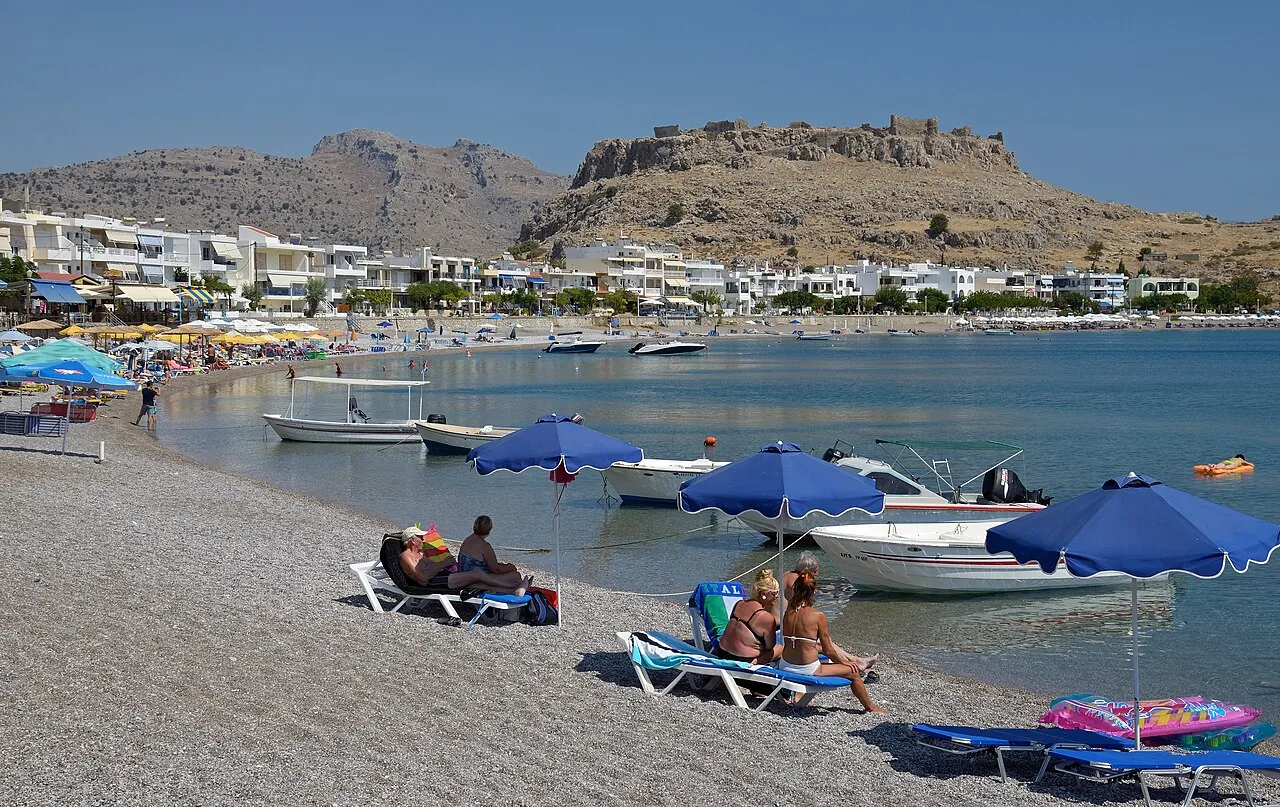
Haraki, Rhodes. Photo: Ввласенко, CC BY-SA 3.0, via Wikimedia Commons.

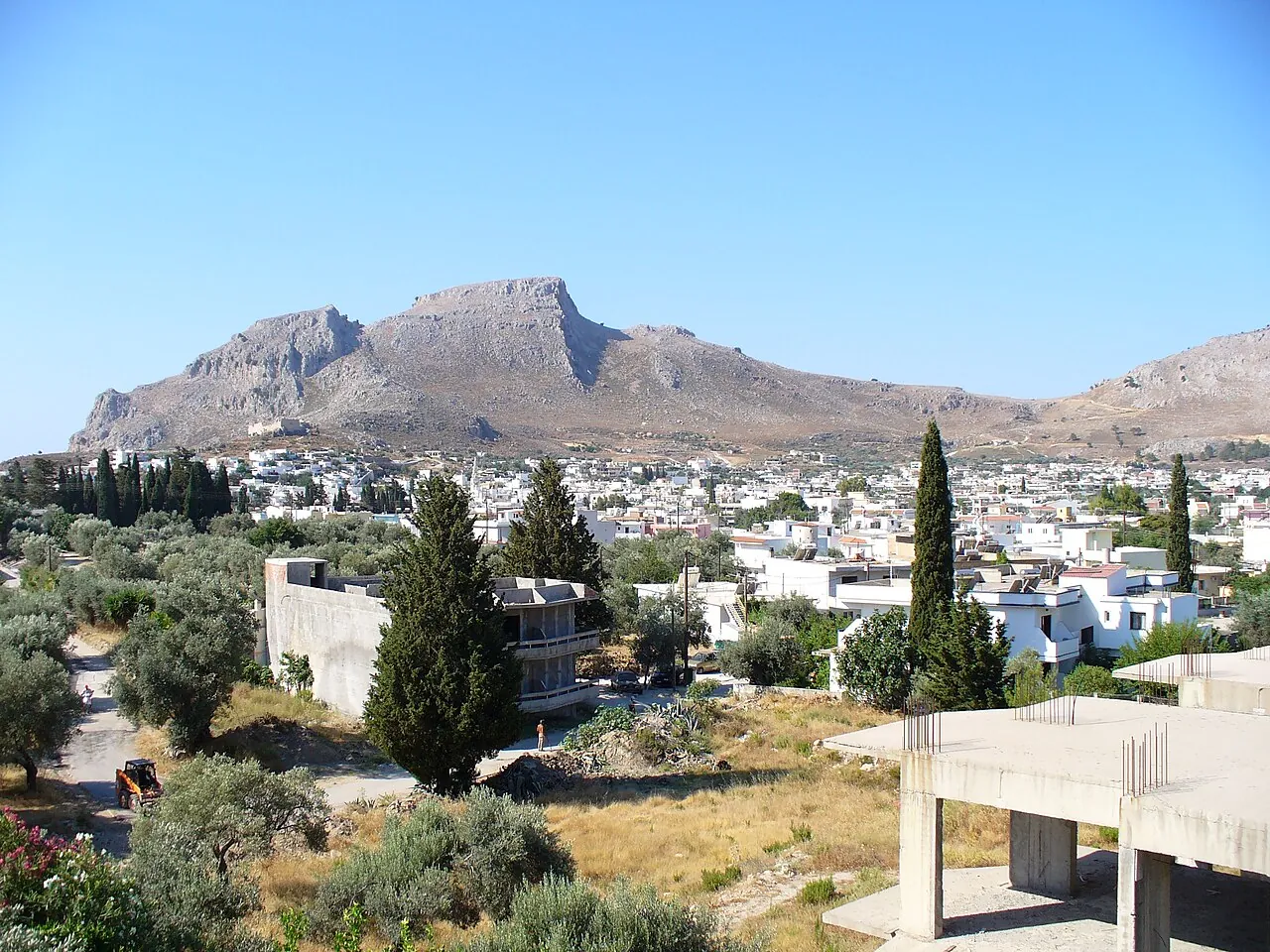
Haraki sits on Rhodes’ east coast, south of Archangelos and north of Lindos. It is a coastal base rather than an inland village with a beach attached: the bay, promenade and places to eat form the centre of a stay. Feraklos Castle provides the unmistakable landmark above it, while the countryside towards Malona gives you a different setting away from the shore.

For a holiday, its position is particularly useful if your main outings are Lindos, Agathi, Tsambika and nearby villages. Rhodes Town is a more substantial excursion, not somewhere to treat as your next-door evening entertainment. The airport journey also deserves a proper transfer plan rather than an assumption that every east-coast resort is close to arrivals.

Choose Haraki if you want independent days with relatively few moving parts. You can make a waterfront base work around swims and meals, then use a car on selected days. The trade-off is that the village itself will not provide a fresh programme of attractions every morning. Its small scale is a benefit only if you are comfortable revisiting familiar places.

For families, the key distinction is convenience beside the water versus suitability in the water. Nearby meals and accommodation help with breaks, but they do not turn a pebbled beach into a shallow sandy playground. For couples, prioritise the position of your room over an ambitious sightseeing schedule: the bay is the reason to sleep here.

Use the Areas of Rhodes to compare bases before committing. For the wider geography and a balanced island itinerary, the Rhodes Island Guide helps put Haraki’s east-coast location into context.

Pros and cons of staying in Haraki

Why stay in Haraki

  • A waterfront base keeps swims, meals and room breaks close together, without organising transport for each one.
  • The small village suits a holiday built around familiar cafés, waterfront dinners and unhurried beach days.
  • Agathi gives you a nearby sandy alternative when you want a change from the village’s mostly pebbled shore.
  • Lindos and nearby inland villages make useful outings, so you can hire a car for selected days rather than the whole stay.

Drawbacks to weigh

  • The village has a limited range of attractions: choose it for the bay, not a different sightseeing programme every morning.
  • Pebbles and variable footing mean convenient waterfront accommodation does not guarantee easy water access.
  • Promenade rooms can put bedrooms close to diners and passing people; festival nights are another consideration for light sleepers.
  • Rhodes Town is a substantial excursion, and the airport journey needs a proper transfer plan rather than a last-minute assumption.

Feraklos Castle: Haraki’s history above the bay

Haraki’s fishing-village background explains the scale of the waterfront, but Feraklos Castle tells the larger historical story. The fortress occupies the rocky hill overlooking the settlement. Its position allowed surveillance of shipping along the east coast, making this stretch of shoreline strategically important long before beach holidays.

The Knights of St John took Feraklos in 1306 and strengthened its defences. The enclosure also provided refuge for people from surrounding villages during attacks and served as a prison. Think of it as a defensive complex with space for buildings and people inside, rather than a single lookout tower.

Feraklos resisted an Ottoman attack in 1445. It eventually surrendered on 3 January 1523, after the fall of Rhodes Town and the defeat of the Knights. That sequence gives the ruins significance beyond their appearance above the beach: they belong to the same struggle that shaped the island’s better-known fortifications.

Today, the attraction is the surviving enclosure, ruined structures and outlook towards Haraki and Agathi. This is not a restored castle with furnished rooms or an easy interpretive route. You need to be willing to look at fragmentary remains and imagine how the fortified space worked.

Should you make the climb?

Treat Feraklos as a rough-ground outing, not an extension of a promenade stroll. The approach involves a climb, and the ruins have uneven surfaces, crumbling masonry and unprotected drops. Wear secure footwear with grip, carry water and stay well back from edges; do not climb walls for a photograph.

Choose a cooler part of the day with enough daylight to return safely. With small children, uncertain footing or limited mobility, enjoy the castle from below instead. A distant view is a sensible alternative, not a missed obligation. Avoid combining a hot climb with a full exposed beach day simply because both places are nearby.

Haraki’s Holy Apostles chapel and summer panigiri

The small Church of the Holy Apostles is tucked into an alley just behind the seafront. It is easily overlooked when your attention stays on the bay, but it offers a quieter glimpse of the village’s religious life. Look for it during a waterfront walk rather than planning a separate sightseeing expedition.

Treat the chapel as a place of worship. Cover up after swimming, keep conversation low and avoid photographing anyone praying without permission. An open door is an invitation to enter respectfully, not a guarantee that a visit will fit around a service or private ceremony.

Haraki’s main summer panigiri brings religious observance and village celebration together. Live music and food, including grilled souvlaki and loukoumades, have formed part of the festivities. Check locally for the current programme and date rather than arranging your holiday around an assumed evening schedule.

A festival night is an exception to the village’s usual quiet. If you are staying near the gathering area and need an early night, ask your host about celebrations during your dates. If you want to attend, leave the evening flexible, bring some cash for food and follow the community’s lead around the religious part of the occasion.

Haraki Beach: how the village shore works during a stay

The main advantage of sleeping near Haraki Beach is being able to divide your beach time into shorter sessions. You do not need to carry everything for an uninterrupted day on the shore if your room and lunch stop are close by. That is particularly useful for families, anyone avoiding the strongest sun and travellers who prefer a swim before breakfast to an all-day beach camp.

The mostly pebbled shore makes the precise access point worth checking. Look at where you would actually enter the water from your accommodation, not just whether the balcony faces the sea. Water shoes can help with the pebbles, but they do not remove the need to assess footing, depth and waves each day.

Haraki’s curved bay offers shelter, and the owner’s comparison places its water as generally calmer than Stegna’s. Do not translate that into a promise of flat water throughout your stay. Choose swimming spots for the conditions in front of you, and keep children close rather than assuming the beach has a broad shallow shelf.

A mask is worth packing if you enjoy casual snorkelling. The rocky margins offer more to investigate than the central swimming area, but leave space around rocks and only venture where you can enter and return comfortably. Haraki is a good swim-and-village combination; specialist snorkelling need not drive your accommodation choice.

The Haraki Beach Rhodes 2026 — Clear Water & Village Vibes overview gives you the beach-specific context. For a longer stay, the practical priority is a comfortable route between your room, the shore and somewhere to take a proper shade break.

Beach facilities and space for your own kit

Haraki is not uniformly pebbled or organised. The organised pebbled section has sunbeds, umbrellas, showers and toilets. A mostly sandy section also provides space for visitors bringing their own beach equipment.

Choose your stretch by the setup you need: the organised section for facilities, or the sandy section if you prefer to use your own kit. If sand is your only reason for leaving the village, look at that section before committing to an outing.

Agathi, Tsambika and Stegna: beaches to use from Haraki

Do not choose a different beach every day just because you have a car. From Haraki, the most useful change is Agathi when you want sand instead of pebbles. Tsambika and Stegna are better treated as separate outings with their own purpose, not extra stops added after everyone has already had enough sun.

Agathi Beach: sand, shallow entry and no facilities

Agathi, also called Agia Agathi, is the sandy bay just past Haraki. Fine golden sand continues into the water, with a gently shelving entry and a broad shallow area. It is the stronger choice for sandcastles and for swimmers who dislike pebbles underfoot, while still requiring supervision and a check of conditions.

Plan for a wild beach, not an organised beach operation. There are no sunbeds, toilets or other beach facilities; an inflatable water park is the only attraction. Bring your own shade, drinking water and food. Do not treat the water park as evidence that the rest of your beach-day needs will be covered.

Parking is directly behind the beach, but the route across sand still matters for anyone with mobility difficulties. Bus travel leaves an onward walk. With children and a full beach bag, a car or arranged taxi is the more practical choice. Read Agathi Beach Rhodes: Guide to this Wild & Sandy Bay, then keep Haraki as your meal stop afterwards.

Tsambika Beach: a more organised sandy alternative

Tsambika Beach is 13 km by road from Haraki, typically a 20–25 minute drive. It is bigger and more organised than Agathi, making it the more useful alternative when a simple towel-and-umbrella setup does not suit your group. Choose it for a dedicated sandy-beach day rather than trying to fit it between other swims.

Use Tsambika Beach Rhodes: Golden Sand & a Full Day Out to decide whether its fuller beach-day setting is worth the drive for you.

Stegna Beach: a different waterfront lunch

Stegna Beach is 11 km away by road, with a typical drive of 15–20 minutes. It feels more spacious than Haraki and makes a worthwhile change for seafood beside the sea. You do not need to move your whole holiday there to enjoy it: a swim and lunch give the outing enough purpose.

The Stegna Beach Rhodes: Calm Swims & Seafood Taverns overview covers the shore, while Stegna is useful if you are comparing accommodation bases.

Lindos, Malona and nearby places to combine with Haraki

Haraki works best for exploring when you group outings by purpose. Give Lindos its own sightseeing morning, use nearby inland villages for a change from the waterfront, and leave Rhodes Town a proper day. Driving to several named places is not the same as having time to enjoy them.

Lindos: the strongest sightseeing day

Lindos is 14 km by road from Haraki, typically 20–25 minutes by car. Head there early for the whitewashed lanes and Acropolis if you want a substantial historical visit. Arriving before 09:00 is a sensible target rather than leaving the climb until the hottest part of the day.

Lindos Main Beach sits below the village and Acropolis, so a swim can follow without another driving stop. It has a sandy shore and shallow water, though summer brings crowds. Keep the beach optional: sightseeing followed by lunch and a return to Haraki is already a complete day.

Malona and Archangelos: a break from the shore

Malona gives you an inland counterpart to Haraki. On the approach between the village and coast, look out for roadside orange-juice stands drawing on the region’s orange crop. Make this a modest village-and-countryside outing rather than expecting a long list of ticketed attractions.

Archangelos is 7.9 km by road away, typically a 10–15 minute drive. It is a practical nearby village outing when you want to leave the bay without committing to a long drive. If you combine it with Stegna, allow time for the village stop rather than using it only as a name on your route.

Lardos, Seven Springs and Rhodes Town

Lardos is another nearby village option, 14 km by road from Haraki. Seven Springs is 12 km away, with a typical drive of 20–30 minutes. Choose one as a separate change of scene rather than automatically adding both to a Lindos day.

For Rhodes Town, make the Old Town the main focus and keep your return flexible. The drive is long enough that a rushed afternoon between beach sessions wastes the opportunity. Travellers who want historical interpretation rather than independent wandering may find a guided outing worthwhile; confirm the meeting point before booking.

Eating, shopping and everyday essentials in Haraki

Haraki’s food scene is strongest when you let the waterfront meal be part of the day. Fish and grilled dishes feature at seaside tavernas, with cafés nearby for a separate coffee stop. You do not need a named restaurant checklist to eat well here; look at the current menu, ask what is available and choose the setting that suits your meal.

For fish, ask what the day’s catch is and how it will be cooked before ordering. Where a menu is explained verbally, confirm the price and portion basis as well as the dish. The roadside fish tavernas between Haraki and Agia Agathi offer a more rustic alternative to sitting directly on the village promenade.

Small supermarkets near the shore help with everyday refreshments and basic supplies. Use them to prepare for Agathi before leaving Haraki: water, snacks and whatever your group needs cannot be left to a last-minute beach purchase. For self-catering accommodation, check the actual kitchen equipment before planning to cook full meals.

Carry some cash for small purchases, as smaller shops may prefer it. The Do You Need Cash in Rhodes? Cash or Card, Currency & ATMs advice is useful for planning without assuming a particular payment method will work everywhere.

Do not confuse a convenient holiday waterfront with a guarantee of every essential service on your doorstep. Bring sufficient regular medication and establish where to seek help if needed. Keep Pharmacies and hospitals in Rhodes available rather than waiting until you need treatment to start checking.

Supermarkets, pharmacies and cash machines

Use the small supermarkets near the shore for basic supplies, and carry some cash for smaller purchases. Bring enough regular medication and establish where to find a pharmacy rather than assuming every essential service is on the waterfront.

Where to stay in Haraki: waterfront or outskirts?

Choose accommodation by its exact position and access, not just a Haraki address. The strongest reason to stay here is the relationship between your room and the bay. A property that requires transport for dinner gives you a different holiday from one where you can leave your beach things upstairs and walk straight out for a meal.

The waterfront suits you if convenience is the priority. Check whether the room genuinely faces the bay, whether the balcony is private and whether outdoor seating is usable for your group. A sea-view photograph does not establish any of those details. Ask which floor the accommodation occupies and whether reaching it involves stairs.

The compromise with a central position is proximity to restaurants and people passing outside. Haraki is quiet in resort terms, but quiet does not mean silent. If sleep matters more than a front-row view, ask about the bedroom’s position relative to the promenade and dining areas, particularly around the summer panigiri.

Accommodation away from the immediate frontage can suit travellers prioritising outdoor space or separation from village activity. Assess the evening route as carefully as the daytime view: ask about walking surfaces, slopes, lighting and where you would park. Do not assume that an easy-looking route on a map is comfortable with a pushchair or after dinner.

For a villa, consider whether you want a village-based holiday or a property-based one with outings into Haraki. Villas in Rhodes: Complete Guide to Villa Rentals covers the wider rental decisions. A pool or larger terrace can be valuable, but only if you are content with the transport implications of the actual location.

  • Ask for the walking route to the promenade, not just the straight-line distance to the sea.
  • Confirm steps, bathroom access and entrance width directly if anyone has mobility requirements.
  • Check air conditioning, bedroom layout and kitchen equipment in the specific unit you are booking.
  • If hiring a car, establish where parking is permitted and how you carry luggage to the entrance.
  • For children, assess balcony security and pool access where relevant rather than relying on a general family-friendly label.

Getting to Haraki: airport transfers, buses, taxis and cars

From Rhodes Town, the driving approach follows the east coast towards Lindos before turning towards Haraki. Set navigation to your accommodation or an agreed arrival point, not simply a broad village pin. On arrival, follow parking signs and leave entrances and access routes clear rather than trying to stop as close to the water as possible.

Arriving from Rhodes Airport

Rhodes Airport is 40 km by road from Haraki, with a typical drive of 50–70 minutes. Give your transfer provider the exact property address and ask where the vehicle can stop. Mention child seats, substantial luggage and mobility needs when booking, not when you reach the vehicle.

Use Rhodes Airport Transfers (2026): Book Private Transfers & Airport Pickup to arrange the arrival separately from your sightseeing transport. If you intend to spend the first few days around the bay, you need not automatically hire a car for the full holiday.

Using buses from Haraki

Bus arrangements change seasonally. Check the live Rhodes bus timetables for your travel dates, then establish the exact stop and return boarding point. A service heading towards Lindos is not, by itself, confirmation of a convenient arrival at Haraki’s waterfront.

Before committing, check the departure point in Rhodes Town, any onward walking and the last usable return. For Agathi, buses do not deliver you to the sand: there is an onward walk that can be demanding in summer heat. With beach equipment or young children, assess that final stretch as seriously as the bus journey.

Do not plan a waterfront dinner around an unverified return service. If the timetable does not suit, arrange a taxi or choose a different day’s plan.

Taxis and hiring a car for useful days

A taxi works well for a single outing without driving. Agree the fare or charging basis, pickup location and return arrangements in advance; use Rhodes taxi prices for planning rather than assuming a ride will be waiting when you finish.

A rental car becomes particularly useful when you want Agathi with equipment, inland village stops or several independent outings. Group those trips into your rental days and leave some days entirely car-free. Compare options through Car Rental Rhodes: Local Companies, Pickup & Booking, checking the collection or delivery arrangements before booking.

Road distances and typical drives from Haraki

Use these road measurements to judge the scale of an outing. Typical driving times are not door-to-attraction timings: allow separately for finding permitted parking, walking to your destination and any stops. The Rhodes Town entry uses the Old Town/Mandraki reference point, not every address across the town.

Measured road distances and typical driving times from Haraki (Charaki)
From Haraki (Charaki) toRoad distanceTypical drive
Archangelos7.9 km10–15 min
Stegna Beach11 km15–20 min
Seven Springs12 km20–30 min
Tsambika Beach13 km20–25 min
Lindos village14 km20–25 min
Lardos14 km20–25 min
Rhodes Old Town (Mandraki)39 km55–70 min
Rhodes Airport40 km50–70 min

How to pace a holiday based in Haraki

For a short stay, resist using Haraki merely as somewhere to sleep between drives. Give the village a full day without an excursion, then choose Agathi or Lindos as your main outing. Feraklos can fit into a separate cooler part of the day if everyone is comfortable with the climb.

For a week, separate beach days from sightseeing days. Agathi needs supplies but little scheduling; Lindos benefits from an early start; Rhodes Town deserves a longer block of time. Keeping those distinct avoids carrying beach bags through sightseeing stops or rushing a historical visit to reach another bay.

With children, make the lack of toilets and hired shade at Agathi part of the decision before leaving your accommodation. A shorter sandy-beach visit followed by lunch in Haraki is often more practical than trying to stay all day. On another day, stay beside the village bay so that breaks are straightforward.

For mixed-interest groups, do not make the Feraklos climb compulsory. Some can remain at the waterfront while others explore the ruins, with a clear meeting arrangement afterwards. The same principle works for Lindos: agree whether the Acropolis is the purpose of the outing or an optional part of it.

Keep your final day proportionate to the airport journey. Confirm checkout, luggage arrangements and the pickup point beforehand, and avoid a distant excursion immediately before departure. Haraki rewards leaving room in the schedule, especially when a last swim is more appealing than another drive.

Haraki questions answered

How far is Haraki (Charaki) from Rhodes Town?

Haraki is 39 km by road from the Rhodes Old Town/Mandraki reference point. A typical drive takes 55–70 minutes, with parking and onward walking additional.

How long is the airport transfer to Haraki?

Rhodes Airport is 40 km by road from Haraki, typically a 50–70 minute drive. Confirm the exact accommodation drop-off point and any luggage or child-seat requirements when booking.

Is Feraklos Castle suitable for young children?

Feraklos has rough ground, crumbling masonry and unprotected drops, so it is not an easy family stroll. With young children or uncertain footing, enjoy the castle from the village rather than making the climb.

Does Agathi Beach near Haraki have toilets and sunbeds?

No. Agathi is a wild beach without toilets, sunbeds or other beach facilities; an inflatable water park is its only attraction. Bring shade, water and food.

Can you visit Lindos easily from Haraki?

Lindos village is 14 km by road from Haraki, typically a 20–25 minute drive. Go early for the lanes and Acropolis, and allow extra time for parking and walking.

Where is the small church in Haraki?

The Church of the Holy Apostles is in an alley just behind the seafront. Visit respectfully if it is open, covering up after the beach and giving services or private ceremonies priority.

When is Haraki’s village festival?

Ask locally for the date and programme of Haraki’s main summer panigiri. It combines religious observance with village celebrations, and the evening can be livelier than Haraki’s usual quiet nights.

Is waterfront accommodation in Haraki suitable for limited mobility?

A waterfront address alone does not establish accessible accommodation or beach access. Confirm entrance steps, room access and the actual route to the promenade; the pebbled shore is a separate mobility consideration.

Plan where to stay in Rhodes

Around Haraki

Places, sights and trips connected to this area.

Nearby places

Good to know

Where these guides live

Every card opens the full guide on looneytravels.com — 2 topics cover Haraki.