


Area guide
Soroni guide: what to know before you go
Soroni is a working village on Rhodes’ north-west coast, with agricultural roots, substantial religious celebrations and a breezy pebble shore. Come for the church of Saint Luke, the Folklore House and Agios Soulas, rather than expecting a resort promenade or a long list of attractions.
For most visitors, Soroni works best as a stop on a west-coast outing. It also suits a quieter village or villa holiday if you have a car and accept the windier coast. For the wider island picture, start with the Rhodes Island Guide.
Soroni village: farming roots and everyday Rhodes

Olive trees, vineyards and citrus groves surround Soroni, where agriculture and livestock farming have long shaped village life. Its name is associated with the oak woodland that once grew in the area. Soroni was also the seat of the former municipality of Kamiros: this is a community with a role beyond tourism.
That character is the reason to visit. You have a few shops, a couple of tavernas and cultural traditions maintained by local associations, rather than a centre built around holiday shopping. Give the village a purpose in your itinerary—its church, folklore collection or a meal—rather than arriving expecting hours of sightseeing.
Be realistic about the setting, too. Rhodes’ main power station stands outside the village, and aircraft can be audible along the coast. A quiet village atmosphere does not mean an untouched landscape or complete silence.
Saint Luke, the Folklore House and Agios Soulas
Saint Luke’s Church and the Folklore House
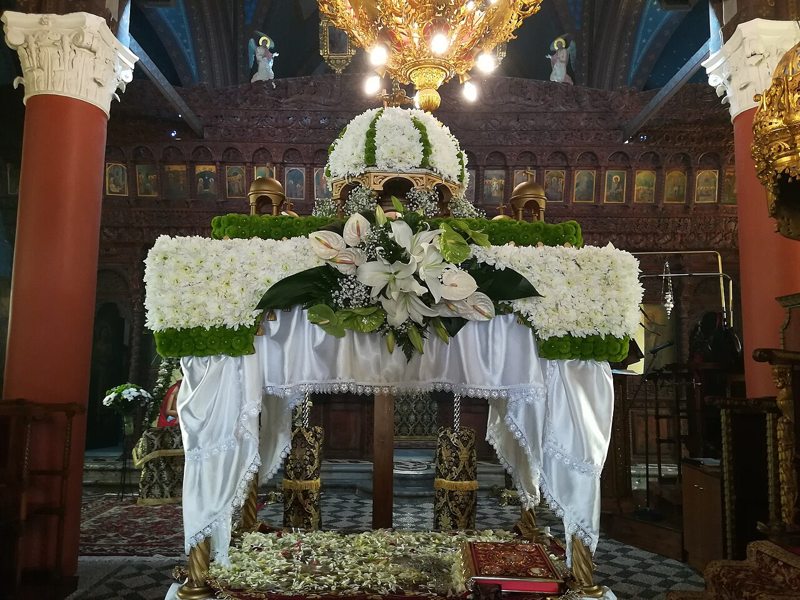
Saint Luke the Evangelist, also called Agios Loukas, is Soroni’s patron saint. His church dates from the period after 1858 and is a substantial three-aisled cruciform basilica. Inside, look for the carved wooden iconostasis dated 1881, portable icons from the 18th and 19th centuries and the cobbled floor. The exterior staircase and bell tower were later additions.
Nearby, the Folklore House occupies an old stone residence. Established in 1992, it preserves textiles, embroidery, household utensils and traditional Soroni costumes. Pair it with the church: together they explain more about the village than a quick drive through. Check access locally before making the collection your main reason for travelling.
Agios Soulas outside the village
Agios Soulas stands in pine woodland outside Soroni, within extensive grounds. The sanctuary honours Saint Silas, a companion of Saint Paul, and took its present form following renovation in 1836. Local religious tradition attributes healing qualities to water emerging within its cave; treat that as a tradition, not drinking-water or medical advice.
Outside festival periods, choose it for the religious setting and wooded surroundings. Dress respectfully at both churches and avoid interrupting services.
Soroni festivals: Agios Soulas in July and Saint Luke in October
Agios Soulas is Soroni’s main summer panigiri and one of Rhodes’ major religious gatherings. Saint Silas’ feast day is 30 July, with celebrations also traditionally taking place on the eve. Wider cultural and sporting programmes can extend across several days, so check the current local programme rather than assuming every activity happens on the feast day.
The gathering combines worship with a fair, food stalls, music and traditional dancing. Branch-built shelters erected by residents are part of its documented traditions. Horse and donkey races feature in accounts of earlier celebrations, but do not plan around seeing them: the programme changes.
Soroni’s other important celebration honours Saint Luke on 18 October. On the eve, vespers are followed by an icon procession through the village and a traditional feast involving cultural associations. The feast day brings the Divine Liturgy and further celebrations.
For either event, arrange your return journey before joining the evening festivities. These are living religious occasions, not staged visitor performances; leave space around processions and ask before photographing worshippers closely.
Soroni Beach: pebbles, wind and sunset views
Soroni Beach is a pebble beach on the exposed west coast. Wind and choppy water are part of its character, and the conditions attract windsurfers. It is a better choice for a breezy coastal break and sunset than for a holiday built around reliably calm swimming.
Facilities are modest rather than resort-scale. Some umbrellas and sunbeds are reported, but bring water and do not build your day around finding a fully serviced beach. Water shoes are useful on the pebbles. Judge the sea when you arrive, especially with children or less confident swimmers.
For a family whose main priority is gentle sea bathing, choose a calmer east-coast base instead. Soroni makes more sense when the beach is one part of a village holiday, not its entire purpose. For another west-coast beach outing, compare the Ixia & Ialyssos Beach Guide: Rhodes' Windsurfing Coast, remembering that moving along this coast does not remove the wind.
Near Soroni: Ancient Kamiros and west-coast villages
The strongest sightseeing combination is Soroni with Ancient Kamiros, 9.5 km away by road. Make the archaeological site your main historical stop, then use Soroni for its church, folklore collection and a meal. You do not need to add a distant castle simply to fill the day.
For a village-focused outing, consider Fanes and Kalavarda, both alternatives for the quieter west-coast atmosphere. Choose one alongside Soroni rather than stopping everywhere and seeing little beyond parked cars and village entrances.
Theologos (Tholos) is another coastal combination, while Ialyssos is useful to compare if you want a northern base with easier access to Rhodes Town’s dining and nightlife.
For a different landscape, the Valley of the Butterflies and Mount Profitis Ilias are options within the measured driving distances below. Pick one inland outing rather than trying to combine woodland, archaeology and every village in a single day.
Eating and staying in Soroni: who it suits
Soroni has a few shops and a couple of tavernas, enough to make a village meal part of your visit without turning dining into the main attraction. Keep expectations modest: this is not the place to choose for a large café circuit, extensive shopping or a different restaurant every night.
For most travellers, Soroni is better as a day-trip stop than a first-choice holiday base. Stay here if you actively want a quieter village setting, your own living space and west-coast sunsets—and are happy to drive for varied outings.
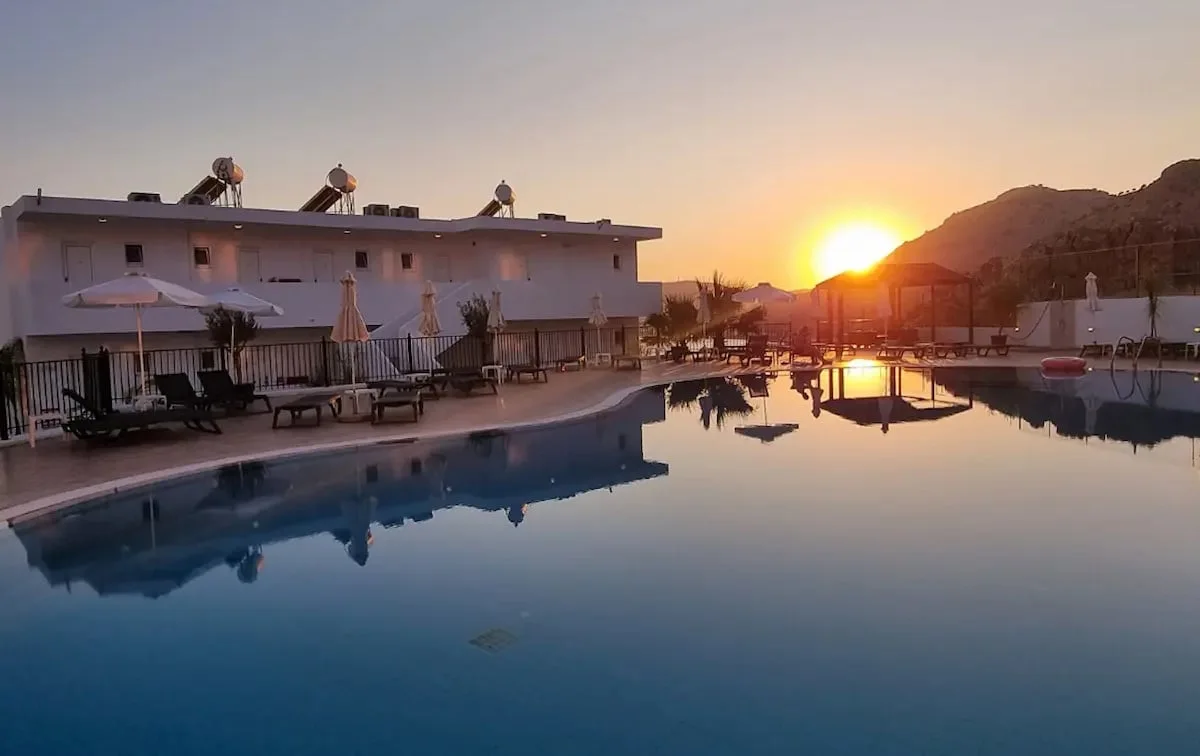
A village house and an outlying villa can produce very different stays. Before booking, check the walking route to food shops and meals, parking, outdoor shade and the beach access. For a longer stay, confirm internet performance and which nearby amenities will be open during your dates.
Choose elsewhere if sandy, sheltered swimming or car-free convenience is essential. Compare Areas of Rhodes before committing, and use Villas in Rhodes: Complete Guide to Villa Rentals to check the property details rather than choosing solely from pool photographs.
Getting to Soroni by bus, taxi or rental car
Soroni is connected to Rhodes Town by RODA buses. Check the live Rhodes bus timetables for your travel date, direction and return departure. Confirm the most useful village stop, and do not assume that a bus into Soroni also solves the onward journey to Agios Soulas.
A taxi is a straightforward option for a direct transfer, especially from the airport. Agree the destination and fare before travelling, and arrange collection if you are heading to an evening celebration rather than relying on finding a waiting taxi.
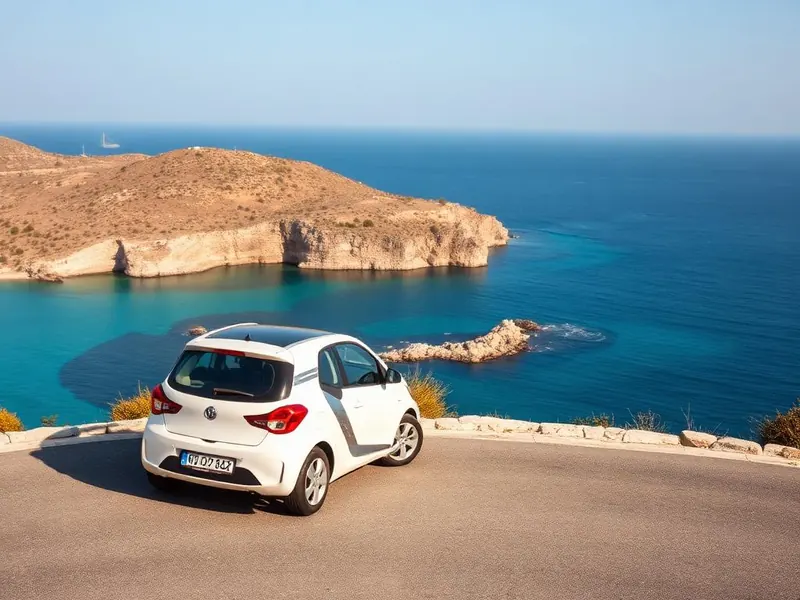
A rental car is the practical choice for a Soroni-based holiday or a day combining the village, Ancient Kamiros and inland sights. It is less necessary for a simple village visit with a suitable return bus. Compare pickup arrangements through Car Rental Rhodes: Local Companies, Pickup & Booking.
Road distances from Soroni to Rhodes sights
Use these road distances to choose manageable combinations. Typical drives are planning estimates, not bus journey times; allow extra time for traffic, parking and festival arrivals.
| From Soroni to | Road distance | Typical drive |
|---|---|---|
| Ancient Kamiros | 9.5 km | 15–20 min |
| Rhodes Airport | 9.7 km | 10–15 min |
| Valley of the Butterflies | 10 km | 15–20 min |
| Ialyssos | 16 km | 20–25 min |
| Mount Profitis Ilias | 19 km | 25–35 min |
| Filerimos | 20 km | 30–40 min |
| Rhodes Old Town (Mandraki) | 25 km | 30–40 min |
| Lindos village | 40 km | 55–75 min |
Frequently asked questions
How far is Soroni from Rhodes Town?
Soroni is 25 km by road from the Rhodes Old Town/Mandraki arrival area. Allow a typical drive of 30–40 minutes, plus time to park.
Is Soroni Beach sandy?
No, Soroni Beach is pebbly and often windy, with choppy water. Choose it for a quieter coastal outing and sunset rather than reliably sheltered swimming.
When is the Agios Soulas festival in Soroni?
Saint Silas’ feast day is 30 July, with celebrations traditionally also held on the eve. Check locally for the wider programme, which can include events over several days.
Can you visit Soroni without a car?
Yes, RODA buses connect Soroni with Rhodes Town, and taxis are another option. Check the return timetable first; a car is more useful when adding Agios Soulas or several nearby sights.
What should you see in Soroni on a short visit?
Prioritise Saint Luke’s Church and the nearby Folklore House, checking access to the latter locally. Add Agios Soulas if you have transport, or combine the village with Ancient Kamiros.
Plan where to stay in Rhodes
- Where to Stay in Rhodes — All 16 main areas and every village guide
- Rhodes Area Comparison — Areas side by side by travel style
- Rhodes Greece Hotels — Hotels by area, style and budget
- Top Hotels in Rhodes — My curated hotel picks, area by area
- Where to Stay Without a Car — Walkable bases with good bus links
- Where to Stay With Kids — Family areas by age and holiday style
- Best Villas in Rhodes — My handpicked villas, ready to book