
Chapter 1 of 8
Is June a good time to visit Rhodes?
Yes—Rhodes in June is a good choice if you want a beach-led holiday with some sightseeing, lively evenings and time to relax. I’d recommend it more readily for that mix than for a packed itinerary of long walks and outdoor attractions, especially if you struggle with heat. June can already feel hot, so the best fit is a holiday you can adjust rather than a sightseeing checklist you feel obliged to finish.
Beach holidays with some sightseeing
June suits travellers who want swimming and beach time to be the main event, with history and village exploring alongside them. Couples get the appeal of warm evenings and seaside dinners, while first-time visitors can mix the coast with Rhodes Old Town and Lindos without making every day an excursion.
I’d build the holiday around a few sights you really want to see and leave the rest flexible. An evening wander through Rhodes Old Town fits that approach better than trying to squeeze several outdoor attractions into one hot afternoon.
If a day on the water is part of your ideal holiday, you can compare boat trips for coastal swimming, snorkelling or a visit to Lindos. Choose a trip because you want that experience—not because you feel every beach day needs an activity attached.
- A good fit: swimming, relaxed sightseeing, outdoor dinners and some resort atmosphere.
- Less suited: a tightly scheduled trip where long periods outdoors are essential every day.
Families and older travellers
June can work well for families and older travellers, but convenience and heat tolerance matter more than the month’s reputation as a good time to visit. With children, I’d prioritise easy access to the beach, meals and somewhere comfortable to take a break over a long list of day trips.
For older travellers, the same practical test applies: does the holiday allow you to shorten an outing or spend a day resting without feeling you have missed its whole purpose? Children and older people need particular care during a heatwave, so June is not a reason to dismiss heat when choosing dates.
Before booking, look closely at the walking involved between your accommodation, the beach and restaurants, as well as access within the property. You can use the Rhodes Island Guide’s area comparisons to narrow down a base that makes everyday holiday life easier.
Who might prefer another month
I’d be more cautious about June if your main interests are hiking, lengthy daytime walks or spending hours at outdoor archaeological sites. A flexible beach-and-sightseeing holiday lets you change direction when it gets hot; an intensive outdoor itinerary gives you much less room to adapt.
June is also not the month I’d choose for someone seeking a quiet, spring-like island atmosphere. It already feels like summer, with active resorts and popular sights attracting more people, even though the busiest summer period is still ahead.
- Heat-sensitive travellers: consider another month if cutting back on outdoor sightseeing would spoil the trip.
- Quiet-holiday seekers: distinguish between finding a peaceful base and expecting the island’s main attractions to be quiet.
- Budget-led travellers: compare your actual dates and accommodation rather than choosing June on the expectation of a cheap pre-season holiday.
June or May?
I’d lean towards June when beach time, swimming and a summer holiday atmosphere are your priorities. If walking and sightseeing matter more—and heat is your main concern—compare Rhodes in May before committing.
The useful question is what you would most regret cutting from the trip: beach time or hours spent exploring. Let that decide the month, rather than trying to find one that is perfect for everything.
Chapter 2 of 8
What is the weather like in Rhodes in June?
Rhodes in June generally feels like summer: hot, sunny days, little rain and warm evenings suited to outdoor dining. It’s a good fit if you want beach weather alongside some sightseeing, but afternoons can already feel hot. The key distinction is between June’s usual conditions and the forecast for your particular week—a summer holiday doesn’t come with guaranteed sunshine or a guarantee against extreme heat.
Daytime and evening temperatures
Plan for hot daytime conditions rather than mild spring weather. If you enjoy warmth, June offers a useful balance between beach time and exploring; if heat makes walking uncomfortable, I’d leave flexibility in your plans rather than commit to long afternoon outings.
Evenings are generally warm and lend themselves to dinner outside or a stroll through Rhodes Old Town. For deciding how comfortable you’ll feel, look at the hourly temperature forecast for your outing—not just the day’s maximum. An overnight minimum describes the coolest part of the night, not necessarily the temperature when you sit down for dinner.
Rainfall and sunshine
June is generally sunny and dry, with rain uncommon. Outdoor plans make sense as the backbone of your holiday, but leave room to rearrange them if a shower or a change in conditions appears in the forecast.
Long daylight hours give you flexibility beyond the middle of the day. Daylight and sunshine are different measures, though: a long day isn’t a promise of uninterrupted clear skies, and a monthly sunshine average cannot tell you how sunny your particular week will be.
Typical weather versus a heatwave
June’s usual summer weather and a heatwave are different planning situations. Climate averages describe conditions across many years; they don’t set an upper limit on how hot your holiday can get. I wouldn’t choose June on the promise that it will be free of extreme heat.
If high temperatures would be a deal-breaker, compare your options using the best time to visit Rhodes before settling on dates. Once you’re travelling, current forecasts and heat alerts matter more than monthly averages.
The forecast for your holiday
Use the National Meteorological Service for your Rhodes forecast and Greece Civil Protection for weather alerts and emergency guidance. Check before departure and again before outings, including road conditions when you’re planning to drive.
Look beyond the headline temperature: the hourly outlook, wind and rain forecast help you judge both daytime outings and evenings outside. Keep your plans flexible, then use the Rhodes trip-planning advice to organise the rest of your stay around the conditions expected.
Chapter 3 of 8
Can you swim in Rhodes in June?
Yes — you can swim in Rhodes in June, and swimming is one of the month’s main attractions. The sea is warm enough for many travellers to enjoy longer swims, but your own cold tolerance and the wind at your chosen beach make a real difference. If swimming is your priority, I’d favour a more sheltered beach over simply choosing the nearest stretch of coast.
Sea temperature and swimming comfort
June suits a beach holiday, but “comfortable swimming” means different things to different people. If you enjoy cooler water, you may happily stay in for a long swim; if you usually prefer a heated pool, the sea can still feel fresh when you first get in.
A monthly sea-temperature average gives you a broad seasonal picture, not the temperature you’ll encounter at a particular beach on a particular day. Wind also affects the experience: choppy water can make swimming less relaxing, while a breeze can leave you feeling cool once you get out.
- Start with a short swim and extend it if you feel comfortable rather than planning around a fixed amount of time in the water.
- Keep a dry towel handy, especially on breezy days.
- Choose conditions that match your swimming ability; warm weather alone isn’t a reason to swim farther offshore.
Wind and beach choice
Summer winds tend to be stronger along the west coast around Ixia and Ialyssos, while the east coast is generally more sheltered. That makes the east coast my first choice for relaxed swimming, although no coast comes with a guarantee of calm water.
If you’re considering Ixia Beach, factor wind exposure into your decision rather than choosing solely for convenience. A cooling breeze on the shore can be welcome, but it isn’t the same thing as comfortable conditions in the water.
Faliraki offers an east-coast alternative with a long sandy beach, organised facilities and beach bars. It’s a practical option if you want swimming with amenities nearby, but judge the waves and conditions when you arrive rather than relying on the resort’s reputation.
For a wider comparison, use the Rhodes Island Guide’s beach-choice section to match the coastline to the kind of swimming you enjoy. You don’t need to turn every beach day into an island-wide search: a suitable entry point and manageable water matter more than ticking off famous names.
Swimming with children
June can work well for family swimming, but choose the exact stretch of beach around your child’s confidence and the conditions that day. A sandy beach with nearby facilities can make the outing easier; it doesn’t make every part of the water suitable for every child.
I’d begin with a short paddle together before settling in for a longer beach visit. If your child feels cold, is uncomfortable with the waves or struggles with the entry, shorten the swim or choose another spot rather than pushing through.
- Look at the water entry and how quickly the depth changes before letting children go in.
- Keep young children and weak swimmers within arm’s reach, with an adult actively supervising.
- Follow beach flags and lifeguard instructions wherever they are provided.
- Build in breaks out of the water, with shade and a dry towel available.
Chapter 4 of 8
Is Rhodes busy in June, and which dates should you choose?
Rhodes in June is lively rather than quiet, but generally calmer than peak summer. Crowds build and prices move towards peak-season levels as the season progresses, so I’d favour early June if you have flexible dates and want a little more breathing room. Late June can still be a good choice for a summer holiday; compare the actual accommodation and travel costs rather than expecting either half of the month to guarantee better value.
Early June versus late June
Early June is my first choice if you want summer atmosphere with slightly smaller crowds. Schools in many countries are still in session, which helps make this part of the month appealing to couples, first-time visitors and families who can travel outside school holidays.
Later in June, expect the season’s general build-up in visitors and prices to matter more to your planning. That isn’t a fixed changeover date: the resort, your hotel location and the places you visit also shape how busy your holiday feels.
I wouldn’t choose late June solely because you think early June will lack atmosphere. June already brings active beaches, outdoor dining and operating resort businesses; if quieter travel matters more than a full summer feel, compare Rhodes in May or look at the wider options for the best time to visit Rhodes.
- Choose early June if your priority is a little more space while still having a lively summer holiday.
- Choose late June if those dates fit your plans better and you’re comfortable with increasing seasonal activity.
- For either period, choose your surroundings carefully: a central nightlife location is a different proposition from a hotel away from the evening action.
Crowds in towns and resorts
Rhodes Old Town becomes busier during June, especially around midday when cruise ships arrive. Evenings have a different appeal: restaurants spill into the cobbled streets, the medieval walls are lit up and the atmosphere is lively rather than hushed.
Faliraki, Lindos, Kolymbia and Pefkos are in their summer operating season, with restaurants, beach bars and water-sports businesses contributing to an active but generally more relaxed atmosphere than peak summer. You can plan around functioning resorts rather than a sleepy shoulder-season setting, although individual business schedules vary.
If beach days followed by nightlife sound right, Faliraki fits that style of holiday. If quiet evenings are essential, give the hotel’s immediate surroundings more weight than the month alone; use the Rhodes Island Guide’s area comparisons to narrow your search.
- June suits you if you want restaurants, beach activity and evening atmosphere without the full intensity of peak summer.
- It is less suitable if your idea of a good holiday depends on empty beaches or consistently quiet sightseeing.
- Street and beach crowds are not a measure of hotel availability: compare rooms for your dates separately.
Accommodation demand and holiday costs
June is a popular travel month, although it is generally not the season’s most expensive period. Prices begin moving towards peak-season levels, but that broad pattern is not a promise of a June discount or a cheaper room in the first week.
Compare equivalent stays across your possible dates: the same property and room type where possible, the same meal plan, and comparable cancellation and payment terms. A cheaper non-refundable rate is a different decision from a flexible booking, especially if your flights or plans could change.
Include transport in the comparison rather than judging the holiday by its nightly room rate. If you’ll need an airport pickup, price airport transfers for the accommodation you’re considering; an apparently cheaper stay may leave less room in your budget once the journeys you need are included.
- Compare the total for the same number of nights and travellers, including mandatory charges.
- Keep room category, meal plan and cancellation flexibility consistent when comparing early and late June.
- If you need a particular family room, accessible room or group of rooms, let that requirement guide when you book rather than relying on June’s generally calmer reputation.
My suggestion: Once you have two possible date ranges, use the Rhodes Booking Marketplace to compare the transport, trips and other services you’ll need for each. Add those costs to your accommodation and flights before deciding.
Chapter 5 of 8
Which base suits your June holiday?
For Rhodes in June, choose Rhodes Town if your holiday revolves around evening walks and eating out, Lindos if you want village atmosphere alongside beach time, or Faliraki if a sandy beach and resort nightlife are your priorities. Ixia and Ialyssos deserve a closer look at beach exposure before you commit. My suggestion: choose the location around the holiday you want to walk out into each day, then compare accommodation—not the other way round.
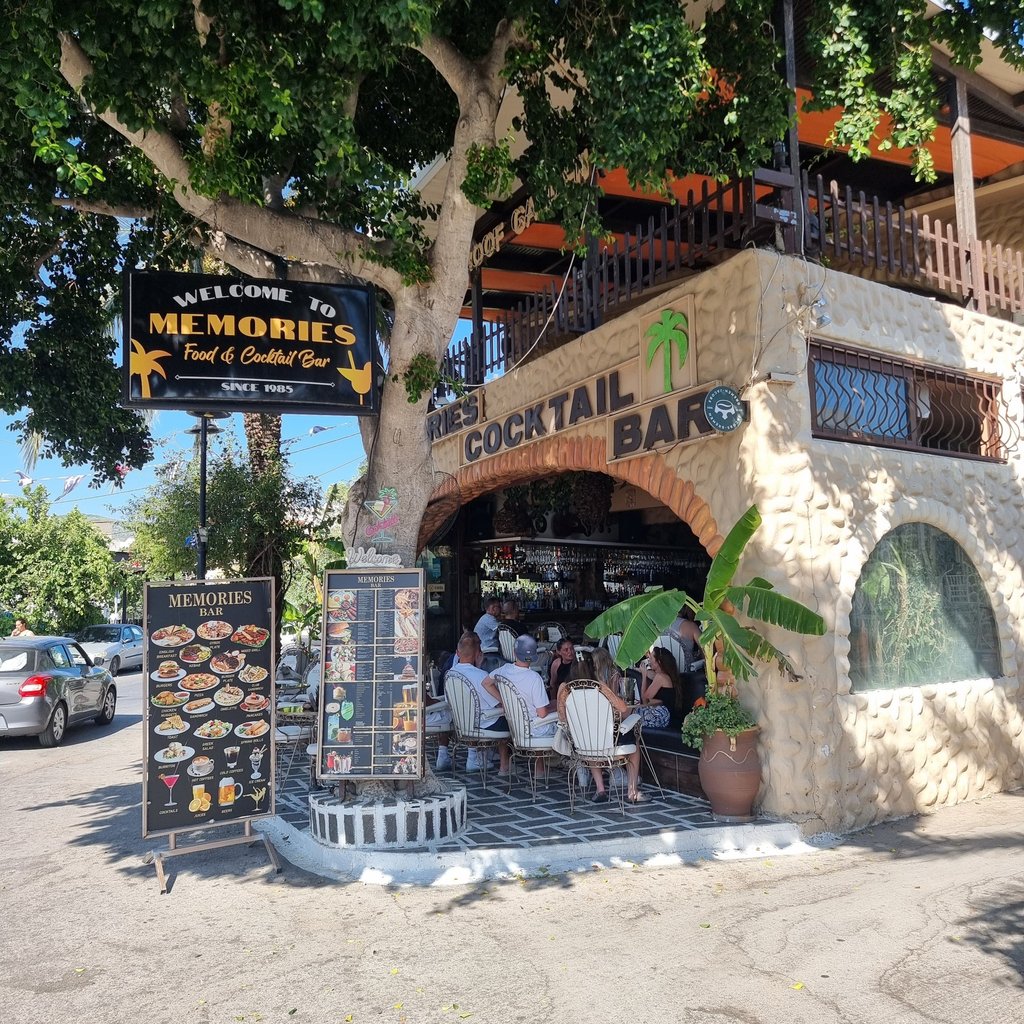
Before booking, check the specific accommodation’s air-conditioning arrangements and its actual walking route to the beach and restaurants. A property’s area label alone won’t tell you how convenient your stay will be, particularly if you want to avoid driving for dinner. If these four options don’t fit, compare the wider choices in the Rhodes Island Guide’s where-to-stay section.
Rhodes Town for an evenings-focused stay
I’d choose Rhodes Town if dinner and a walk afterwards are as important to you as swimming. The Old Town’s medieval streets, illuminated walls and restaurants spilling onto cobbled streets give your evenings somewhere to go beyond the hotel.
This is the strongest fit for a varied holiday rather than one built entirely around a resort beach. Choose your exact location around the evening walks you want to make, and use the Rhodes Town area comparison to narrow down where to stay.
- Best for: travellers who want historic surroundings, restaurants and evening wandering to be part of everyday holiday life.
- Less suitable if: your main priority is spending most of each day on a sandy beach immediately outside your accommodation.
- Location trade-off: staying near your preferred evening area reduces the need to arrange transport after dinner; beach outings still need to fit your chosen address.
Lindos for a holiday built around the village
Choose Lindos because you want Lindos itself—not simply because it appears on a list of summer recommendations. The village, its Acropolis and nearby swimming spots make it a good fit when you want beach time and a distinctive setting without making a different destination the focus every day.
St Paul’s Bay is a sheltered swimming option, while the Acropolis overlooks Lindos Bay. The useful booking distinction is between accommodation that puts your preferred village restaurants and beach within a manageable walk, and somewhere that leaves you travelling into Lindos for the experience you came for.
If outdoor dinners and village atmosphere are central to your holiday, I’d put Lindos high on the shortlist. If you mainly want a self-contained resort stay, compare it with Faliraki before deciding.
- Best for: couples and beach-focused travellers who want the village to be a substantial part of their stay.
- Less suitable if: you expect to leave for a different part of the island most days; plan those journeys before choosing Lindos as your base.
- Booking priority: weigh access to your preferred beach against access to the village, rather than choosing on the view alone.
Faliraki for a resort-focused stay
Faliraki is the straightforward choice here if your priorities are a long sandy beach, organised beach facilities and access to nightlife. It suits a holiday built around swimming and resort evenings more naturally than one centred on historic streets.
The important decision is your accommodation’s position within the resort. If you want nights out, choose around the places you’ll use; if you want quieter evenings, prioritise the immediate surroundings rather than booking on the Faliraki name alone.
For the detailed location decision, compare where to stay in Faliraki. Keeping your beach and evening plans close to your accommodation is particularly useful if you’d rather avoid arranging transport every day.
- Best for: beach-first holidays where organised facilities, beach bars and evening entertainment matter.
- Less suitable if: your ideal setting is a historic village or you want quiet surroundings without carefully choosing your location.
- Booking priority: balance beach access with proximity to the nightlife you want—or would prefer to avoid.
Ixia and Ialyssos: consider your beach priorities
With Ixia and Ialyssos, I’d make beach exposure part of the accommodation decision rather than an afterthought. Summer breezes tend to be stronger on this west-coast stretch than on the more sheltered east coast, so a seafront address isn’t the whole story.
If a cooling breeze appeals to you, these areas may suit your priorities. If sheltered swimming is the main reason for your holiday, I’d compare east-coast bases first rather than choosing a west-coast hotel and repeatedly travelling elsewhere for beach days.
Use the Ixia and Ialyssos comparison to weigh the exact location against your plans. The right choice is the one that works for both your accommodation time and the beach experience you actually want.
- Best for: travellers willing to weigh west-coast exposure against the accommodation and location they prefer.
- Less suitable if: sheltered beach time is your overriding priority.
- Transport trade-off: if most of your planned swimming is elsewhere, include those journeys in the decision before booking.
If your plan includes several beaches along the east coast rather than staying around one base, I’d compare car-hire options before committing to accommodation farther from the places you want to visit.
Chapter 6 of 8
How should you plan sightseeing and beach days?
For Rhodes in June, plan one main outing in a cooler part of the day, leave a proper break for lunch and rest, then keep the evening for a stroll or dinner. Lindos, beach hopping and a boat trip work better as separate day plans than as stops on one ambitious itinerary. Use the Rhodes Island Guide to choose nearby combinations rather than spending your holiday crossing the island.
Give Lindos a cooler part of the day
If the Lindos Acropolis is your priority, aim for an early-morning visit rather than leaving the climb until after lunch. The views across Lindos Bay are a good reason to make it your main outing, not an extra squeezed between beach stops. Check current admission hours before fixing your plan.
Afterwards, leave time for a shaded lunch and a comfortable break. St Paul’s Bay is a sheltered, scenic option if you want to combine Lindos with a swim, but there’s no need to add another beach afterwards. If the climb isn’t important to you, an evening village visit and dinner is a gentler alternative.
Morning or evening timing is not a substitute for heatwave precautions. During a heatwave, avoid sunbathing and prolonged walking in direct sun, stay in shaded, cool places, and postpone the climb rather than pushing through it. Be especially conservative when planning outings with children or older travellers.
Explore Rhodes Old Town in the evening
Save Rhodes Old Town for an evening when you want atmosphere rather than a packed sightseeing checklist. After sunset, the illuminated medieval walls, cobbled streets and outdoor restaurants make a lovely setting for a wander followed by dinner. It suits couples particularly well, but it also works as an easy-going evening for anyone who has spent the day at the beach.
The Old Town can become busier around midday when cruise passengers arrive, so an evening visit also avoids building your plan around that rush. Keep the route short enough to enjoy and allow time to sit down. If you want to enter a particular attraction, arrange that separately around its current opening hours rather than relying on an after-dinner visit.
Leave space between beach stops
I’d choose one main beach and make a second stop optional, rather than trying to collect four beaches in a day. The east-coast route between Faliraki and Lindos offers plenty of possibilities, but each move takes time away from swimming and relaxing. Compare the beaches around Rhodes by what you want to do, not just how many you can fit in.
- Faliraki Beach: a long sandy beach with organised facilities and beach bars; a practical choice when you want to settle in rather than keep moving.
- Anthony Quinn Bay: a good choice if snorkelling is the focus of your beach outing.
- Tsambika Beach: choose it for sand and the dramatic hills behind the beach.
- St Paul’s Bay: a natural pairing with Lindos if you want a sheltered bay without adding another destination to the day.
Choose a boat trip around conditions
A Lindos cruise, snorkelling trip or coastal swimming tour can be the main event of a June day. Choose the experience first: sightseeing from the water and spending time at swimming stops are different priorities. If you’re travelling with children or prefer shorter outings, I’d favour a manageable duration over the longest route.
Choose a departure point and time that work comfortably from your accommodation, and check that the boat has onboard shade before comparing boat trips. Look at the forecast and the operator’s weather arrangements too: June is not a guarantee of calm conditions on your chosen day. Shade matters because a day afloat can still mean prolonged exposure to the sun.
Keep the rest of the day light, with dinner near your accommodation rather than another major outing. If a heatwave is forecast, reconsider a long, exposed boat day instead of relying on the sea breeze to make it comfortable.
Chapter 7 of 8
What should you pack, and what changes during a heatwave?
For Rhodes in June, pack light, comfortable, light-coloured clothing, a hat, sun protection and comfortable walking shoes, with a water bottle you can carry easily. If a heatwave warning applies, change the holiday plan—not just your outfit: avoid sunbathing and prolonged walking or running in direct sun, and stay in shaded, cool places.
Clothing and everyday essentials
I'd keep your packing practical rather than fill the suitcase with separate outfits for every activity. Choose clothes that are comfortable for sitting, walking and covering up, plus footwear you already know you can wear comfortably.
For swimming days, add the items you actually need from this beach packing checklist. Keep your wider holiday arrangements together with the Rhodes trip-planning essentials.
- Light, comfortable, light-coloured clothing, including an easy cover-up.
- A hat, sunglasses and sunscreen; keep them accessible rather than buried in your luggage.
- Comfortable walking shoes for sightseeing, plus sandals and swimwear for beach days.
- A refillable water bottle and a small day bag that is comfortable to carry.
- A light layer if you prefer one for air-conditioned spaces.
- Your usual medication and a charged phone for weather updates and alerts.
Change the plan when heat warnings apply
A heatwave is a reason to drop an exposed outing, not push through it because it is already on the itinerary. I'd postpone a long walk or the Lindos Acropolis climb rather than try to make it work with an extra bottle of water.
Before outings, check the weather forecast through the National Meteorological Service and check road conditions; follow Greece Civil Protection alerts and instructions. Let the conditions decide what you do that day, rather than relying on what June usually feels like.
- Avoid sunbathing during a heatwave. Swap time in direct sun for rest somewhere shaded and cool.
- Avoid prolonged walking or running under the sun. Shortening an exposed route is less useful than postponing it when warnings apply.
- Wear light, comfortable, light-coloured clothing and a hat.
- Drink plenty of liquids and avoid alcoholic drinks during the heatwave.
- Keep the day flexible: a cool indoor break or a quiet day at your accommodation is a sensible change of plan.
Extra care for children and older people
Children and older people need particular care during a heatwave. If you are travelling together, set the pace around their comfort rather than the number of sights you hoped to cover.
I'd keep outings short and easy to abandon, with somewhere cool to return to. Build in rest and drinks rather than waiting until everyone is struggling, and leave ambitious sightseeing for another day.
- Keep hats and drinks within easy reach, and make regular stops somewhere shaded and cool.
- Avoid plans that depend on lengthy exposed walks or standing around in direct sun.
- Make it easy for anyone who needs a break to return to the accommodation without completing the whole outing.
Chapter 8 of 8
How should you arrange transport for June?
For Rhodes in June, rent a car if you want several stops in a day and control over when you leave; use buses if you’re happy with a simpler, timetable-led plan. Arrange your airport journey separately: a pre-booked transfer makes sense when getting straight to your accommodation matters more than having a vehicle throughout your stay.
Rent a car for a flexible exploring holiday
I’d recommend car rental if your plans include beach hopping between Faliraki, smaller east-coast bays and Lindos. The main benefit is control: you can leave early, change your stops and head back when you’ve had enough, rather than fitting the whole day around departures.
A car is less compelling if most days will revolve around your hotel, nearby beach and restaurants. Match the rental period to your exploring days rather than automatically booking for the whole holiday.
- Keep multi-stop days manageable: having a car gives you flexibility, not a reason to squeeze every beach into one outing.
- When comparing rental options, look at collection and return arrangements, insurance terms and fuel policy—not just the headline price.
- If you plan to collect a car at the airport, make sure the collection arrangements fit your flight arrival.
Use buses for a simpler plan
Buses suit a holiday with fewer moves: choose one main destination for the day and leave room around the journey. If you want several beach stops or a very specific departure time, I’d choose a car rather than make the day depend on connections.
Bus services change seasonally, so use Rhodes Bus Schedules & Prices to plan both your outward journey and your return. For an evening out, work backwards from the return service before deciding how long to stay.
Arrange your airport arrival
I’d choose pre-booked airport transfers when a straightforward arrival is the priority, particularly with children or plenty of luggage. It also lets you keep the arrival day simple and decide separately whether you need a rental car for later outings.
Provide your flight details, accommodation address, passenger numbers and luggage requirements when booking, including any child-seat needs. Keep the meeting instructions handy so you know where to go after collecting your bags.
With transport matched to your plans, use the Rhodes Island Guide’s trip-planning section for the wider holiday decisions beyond this June overview.
Book around your June plans
transfersFrequently asked questions
Is June a good time to visit Rhodes?
I'd shortlist June if you want a summer-style holiday mixing beaches and sightseeing. If long walks are your priority or you struggle with heat, leave room to change your plans and compare Rhodes in May before choosing your dates.
Is Rhodes too hot in June?
That depends on your tolerance and the weather during your stay. I'd avoid building a holiday around long midday walks; during a heatwave, avoid prolonged walking in direct sun and spend time in shaded, cool places.
Can you swim in Rhodes in June?
Swimming belongs on a June holiday plan, but comfort depends on water temperature, wind and your own tolerance. Choose your beach around conditions on the day, and keep children's first swims short enough to see how comfortable they feel.
Should I choose early or late June?
I'd compare the actual accommodation and travel options for both sets of dates rather than choose on the calendar alone. If heat is your main concern, use the forecast close to departure to adjust your activities; neither part of the month guarantees particular conditions.
Is June suitable for children and older travellers?
It can suit a relaxed holiday, but I'd make shade, comfortable accommodation and short journeys priorities. Children and older people need particular care during a heatwave, so keep plans flexible rather than committing to long outdoor days.
What should I pack for Rhodes in June?
Pack light, comfortable, light-coloured clothes, a hat, swimwear, sun protection and comfortable walking shoes. Keep drinking water with you; during a heatwave, drink plenty of liquids and avoid alcohol.
Can I visit Lindos and Rhodes Old Town in June?
Include them, but I'd give sightseeing a morning or evening slot rather than make a long midday walk the centre of your day. During a heatwave, replace exposed walking with time somewhere shaded and cool.
Do I need a car in Rhodes in June?
I'd rent a car if you want to explore several places on your own schedule, rather than make that decision simply because it's June. If you prefer buses, check Rhodes Bus Schedules & Prices for your outward and return journeys, as services change seasonally.
Where should I check weather and heatwave warnings?
Use the National Meteorological Service for weather information and Greece Civil Protection for heatwave advice and alerts. Check weather and road conditions before an outing, particularly when extreme weather could affect your plans.
Related pages
- Rhodes in May (2026) – Weather, Temperature, Swimming & Is It a Good Time to Visit?
- Faliraki Rhodes: Best Area to Stay or Too Busy? (2026 Guide)
- Where to Stay in Rhodes Town (2026) – Best Hotels & Area Guide
- Lindos Rhodes (2026): Is It Worth Staying? Best Areas & Hotels
- Ixia Rhodes or Ialyssos? Best Area to Stay (2026 Local Guide)
- Best Beaches in Rhodes (2026) – The Ones You’ll Want to See First
- Rhodes Beach Essentials (What to Bring for the Perfect Beach Day)