






















Choosing Your Base: Coast, Resort or Town?
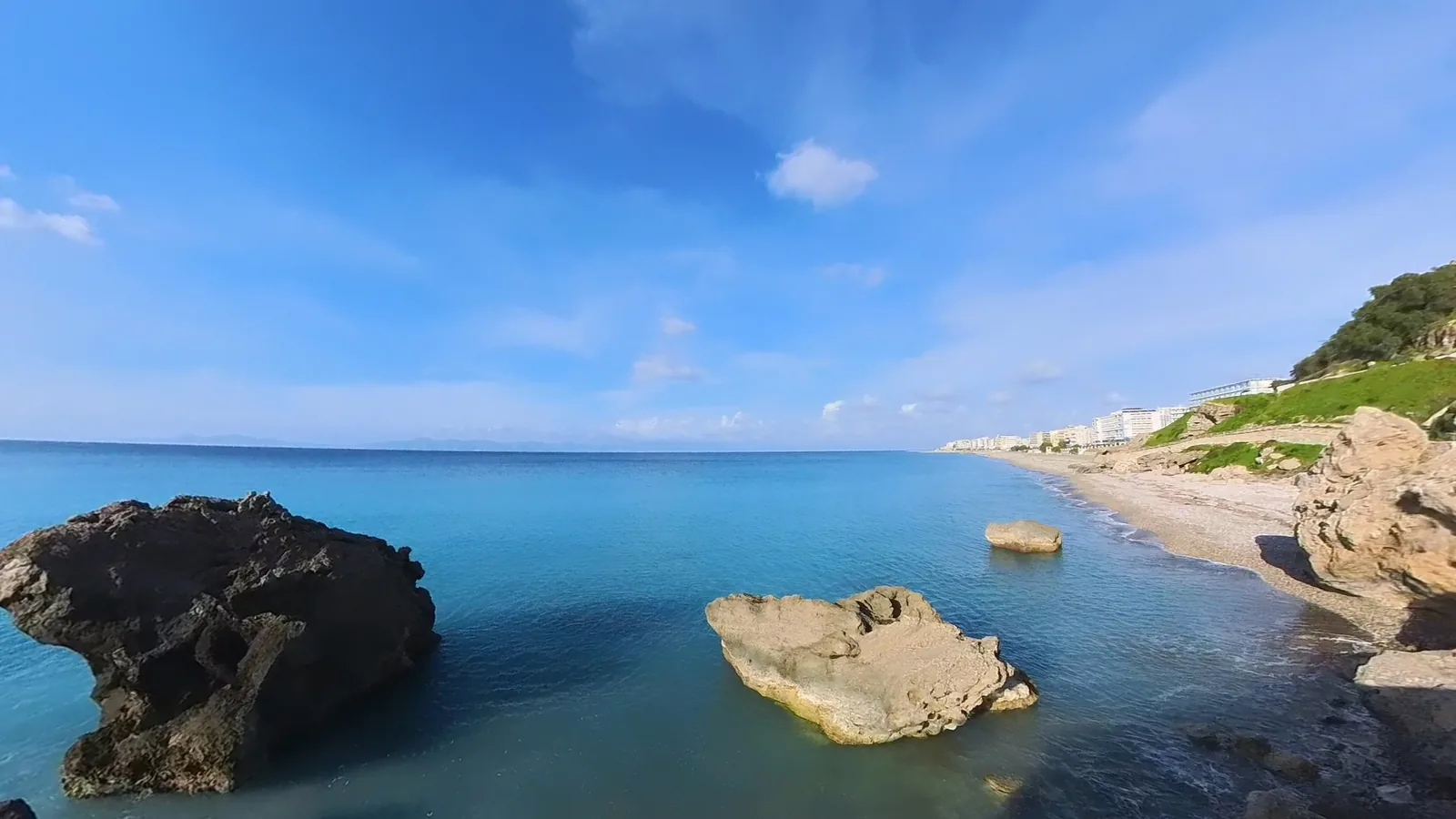
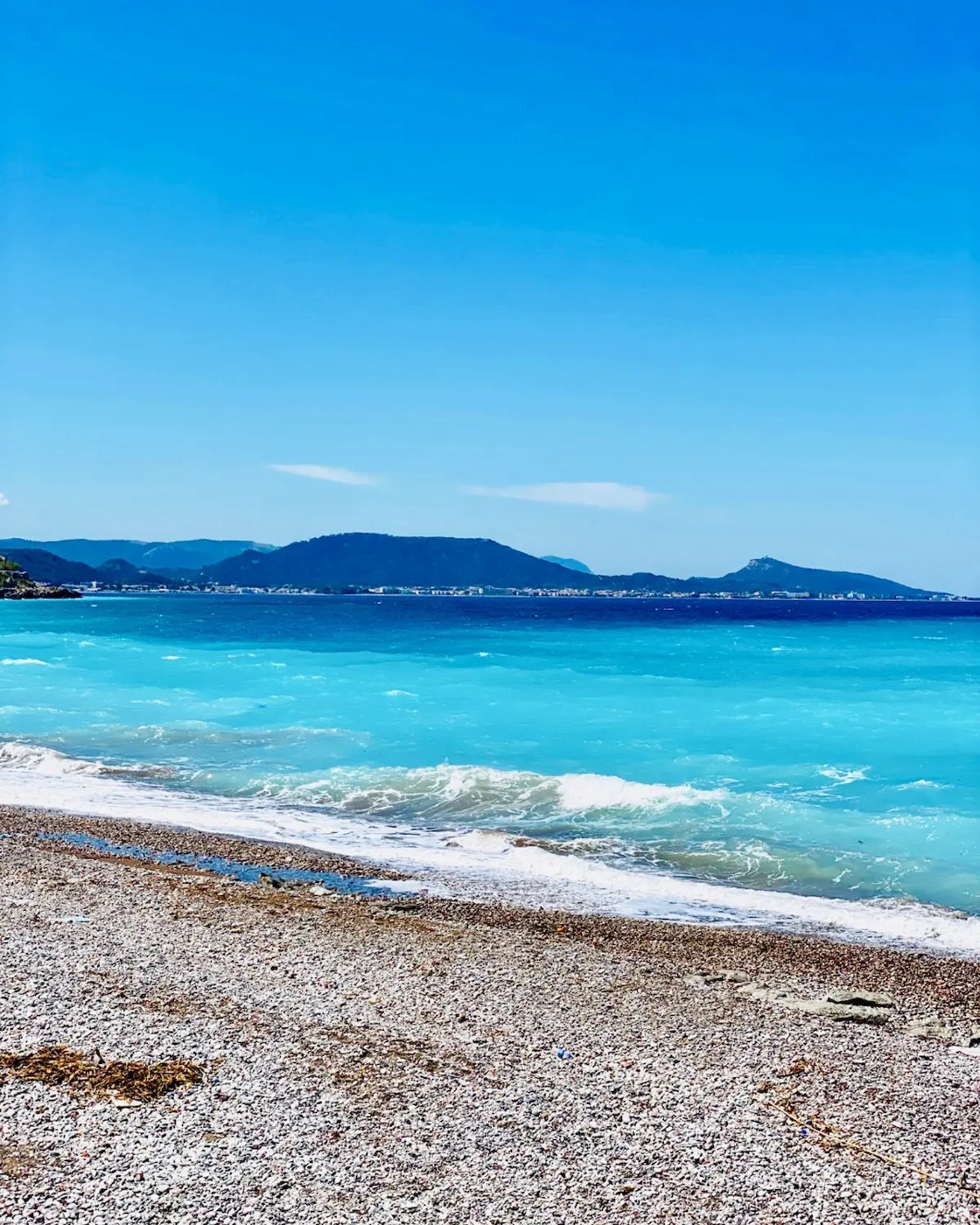
The island’s geography should be your starting point. Rhodes Town, at the northern tip, is the year-round hub for transport, shopping, and history. For classic sandy bays and calmer waters, look to the east-coast resorts like Faliraki and Lindos. The west coast, including Ialyssos, is more exposed to the wind and waves, making it ideal for windsurfing. For a quieter, more spread-out holiday with longer travel times, the southern resorts of Pefkos and Kiotari offer a more relaxed feel.
Budgeting for Your Trip
Rhodes sits in the middle of the Greek island price range, making it more affordable than Mykonos or Santorini. Your budget depends heavily on your travel style, but planning for a daily spend of €110–€170 per person in high season is a comfortable mid-range starting point. For better value, eat at traditional tavernas away from the main tourist strips and consider accommodation in the outskirts of major resorts.
Arrival and Getting Around the Island
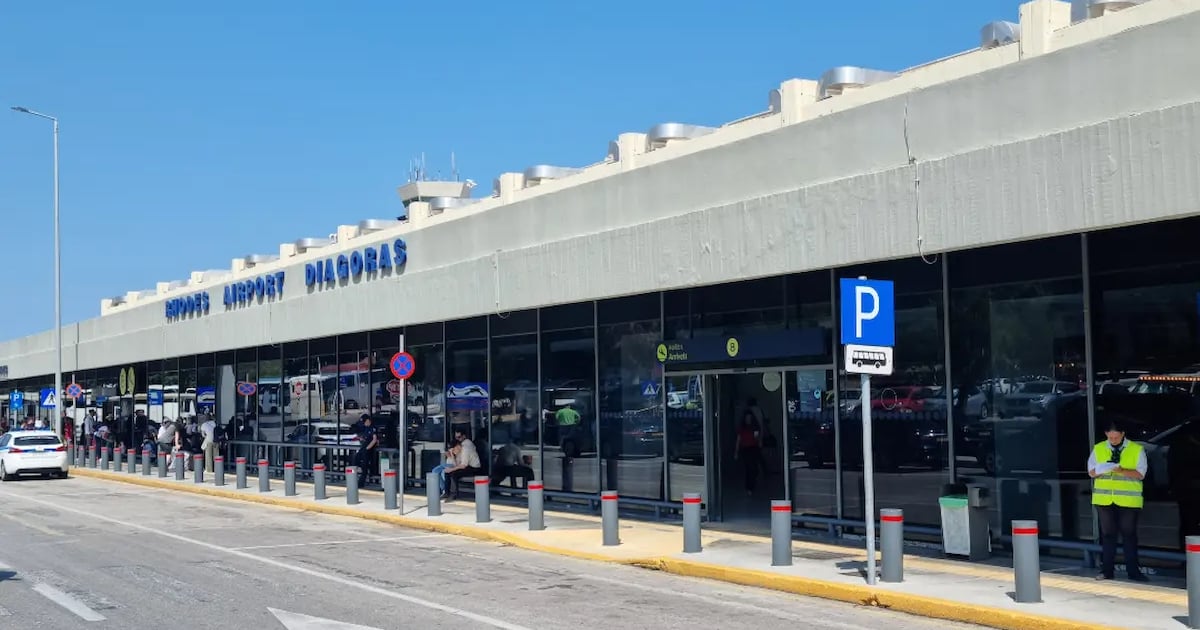
Most visitors arrive at Rhodes Airport (RHO). The most direct way to your hotel is by taxi or a pre-booked transfer, which is especially useful for late arrivals or stays in the far south. Public buses offer a lower-cost alternative, connecting to Rhodes Town's main bus station.
Once you've settled in, a rental car provides the most flexibility for exploring the mountainous interior, west-coast castles, and secluded beaches. If you plan to stick to the main resorts, the bus network is a practical option. To avoid long drives, try to group your day trips by region.
Practical Tips for a Smooth Trip
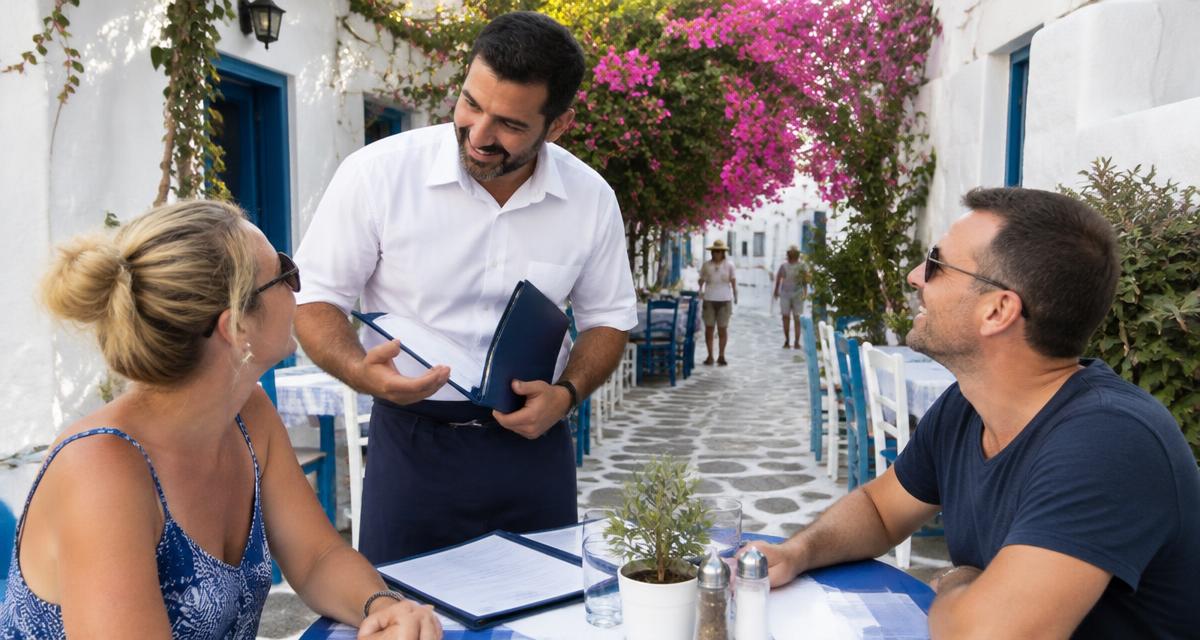
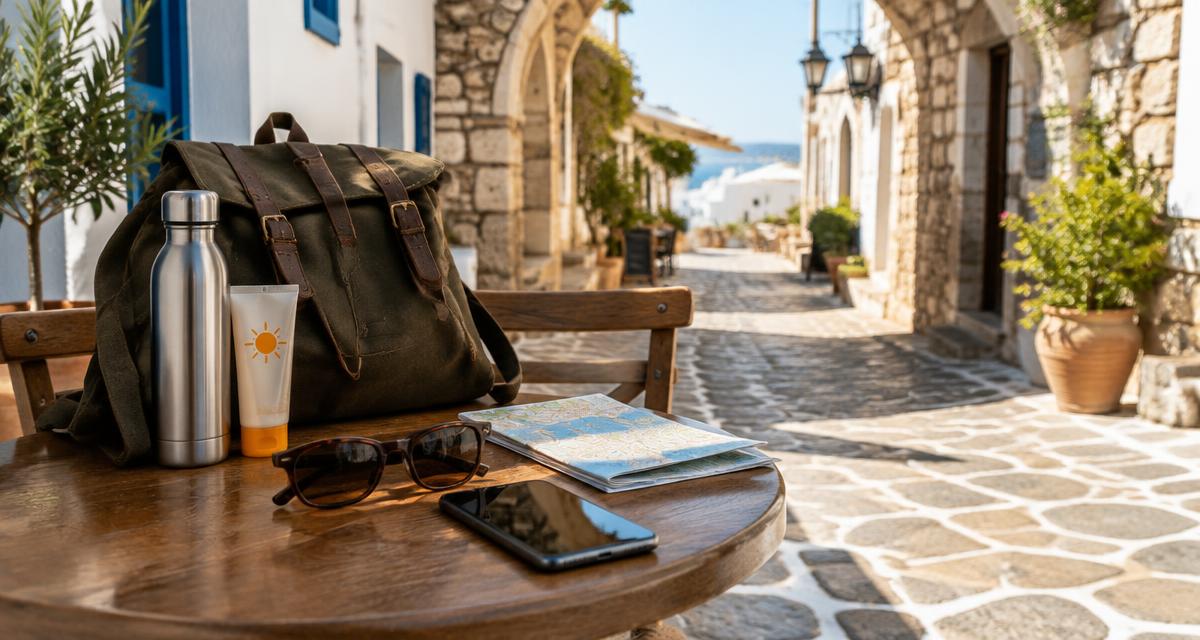
A few local customs and practical details will make your visit smoother. While credit cards are widely used, carrying some cash is essential for smaller businesses. English is spoken in all tourist areas, but a simple Greek greeting is always appreciated. Be prepared for the practicalities of a southern European climate and island life.
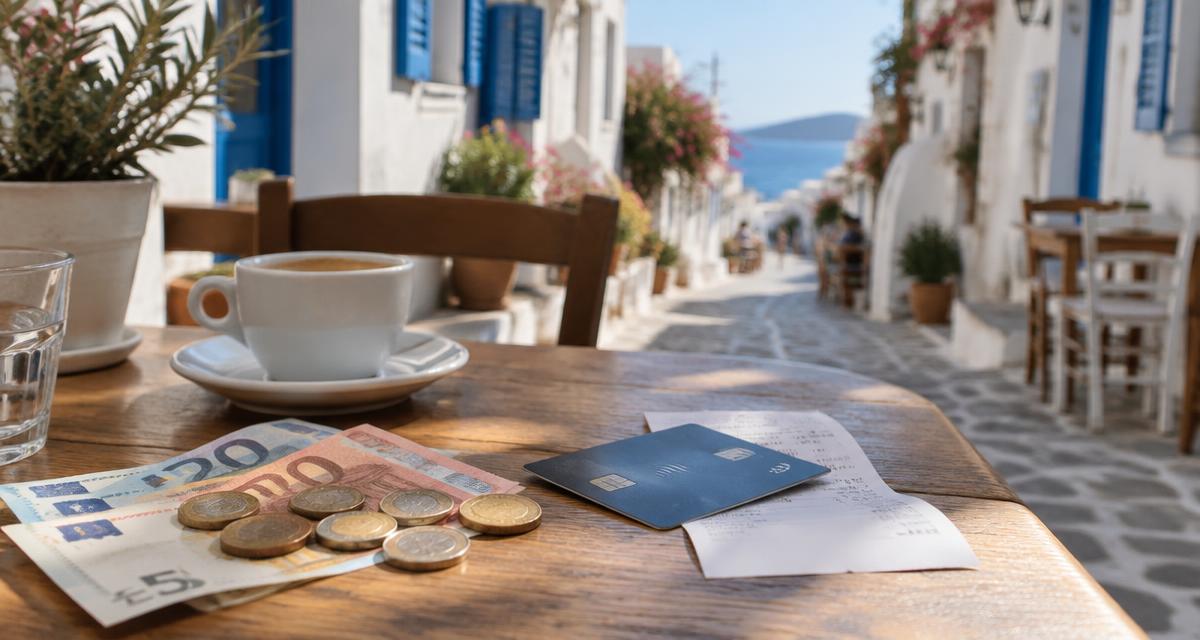
- Currency: The Euro (€). Use ATMs at major Greek banks to avoid higher fees.
- Cash: It's wise to keep some cash on hand for small tavernas, kiosks, and beach bars.
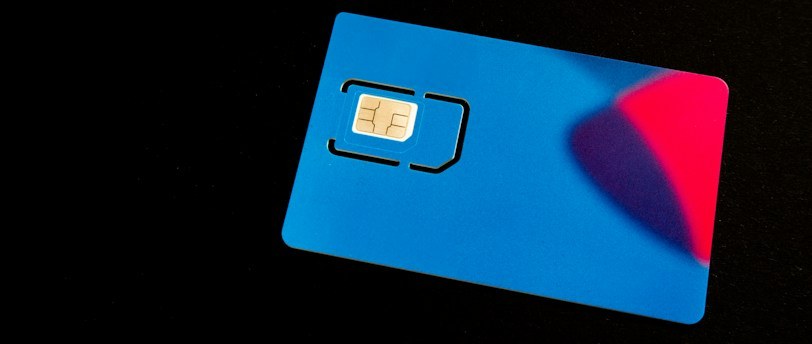
- Mobile Data: If you're not from the EU, arrange an eSIM or local SIM. On the west coast, your phone may connect to a Turkish network, so check your roaming settings.
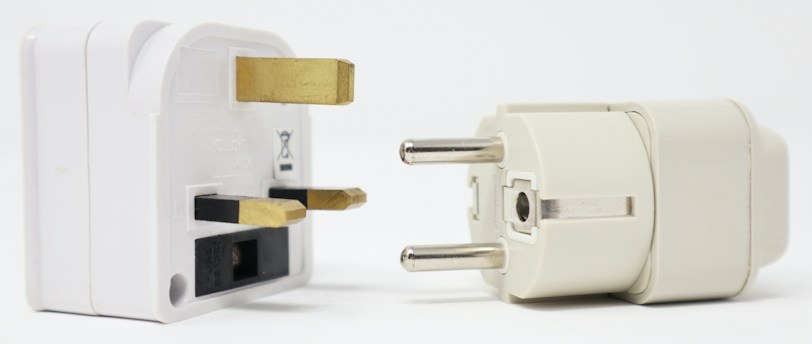
- Electricity: Rhodes uses standard European two-pin plugs (Types C & F). Bring an adapter.
- Emergencies: Dial 112 for emergencies. For minor issues, local pharmacies are very helpful and can advise on duty chemists open outside normal hours.
- Driving: Traffic is on the right. Be aware that roads can become very slippery just after it starts to rain.
Check the practical details before arrival
Confirm the exact accommodation address and arrival arrangements before choosing the airport journey. Use airport arrival advice, bus timetables and the taxi calculator for the relevant decisions instead of assuming one transport option works for every stay.
Use the planning collection for itineraries and the Rhodes Island Guide for a full introduction. Current fares, opening and partner facilities belong to the live service or listing, not a fixed planning estimate.
Frequently asked questions
Where's the best area to stay for a first-time visitor?
It depends on your priorities. Choose Rhodes Town for history, nightlife and easy transport links. Pick an east-coast resort like Faliraki or Kolymbia for sheltered, sandy beaches. For windsurfing and watersports, the west-coast resorts of Ixia and Ialyssos are the best choice.
Do I need to rent a car in Rhodes?
Not necessarily. Public buses connect the main towns and resorts effectively. However, a rental car is highly recommended if you want the freedom to explore the less accessible west coast, mountain villages like Embonas, and quieter southern beaches on your own schedule.
Is Rhodes an expensive island to visit?
Rhodes is considered a mid-range Greek island. It's generally more affordable than Mykonos and Santorini, with prices broadly comparable to islands like Crete and Corfu. There are plenty of options for all budgets, from simple rooms to luxury hotels.
Do I need to carry cash in Rhodes?
Yes, it's a good idea. While cards are accepted in most hotels, restaurants and larger shops, you will find that smaller tavernas, village shops, kiosks, and some beach bars prefer cash. Having some Euros on hand is very useful for small purchases.