

Area guide
Kattavia guide: what to know before you go
Kattavia is the farming village behind Rhodes’ southern tip, best known as the nearest village to Prasonisi. You come here for a square-side meal, old churches and access to the far south—not a beachfront promenade or a packed sightseeing itinerary.
For most visitors, it works best as a stop alongside Prasonisi. Staying makes sense if your holiday revolves around windsurfing and quieter village evenings, with a car for the coast.
Kattavia village: where it is and who should stay

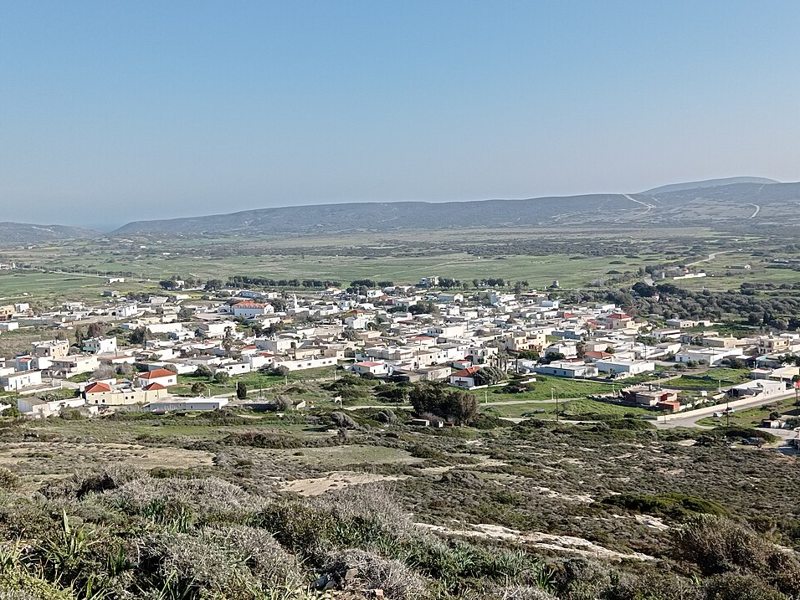
Kattavia sits inland among the plains of far southern Rhodes. Farming remains central to its identity, while its proximity to Prasonisi brings windsurfers through the village. The square, cafés and small shops are the centre of everyday life; this is a working settlement rather than a purpose-built resort.
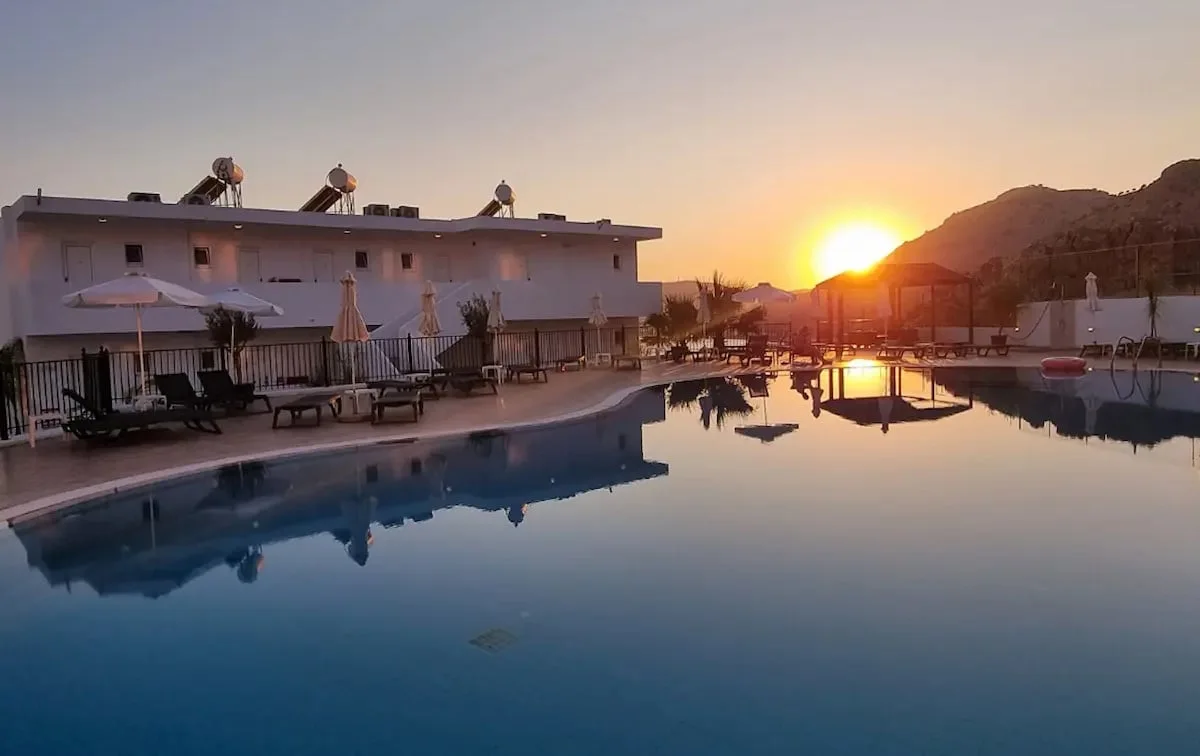
There are rooms to rent, but accommodation choice is small. Choose Kattavia if you want repeated trips to Prasonisi and are happy to drive to the beach. Do not choose it for sand outside your door, extensive shopping or frequent outings to Rhodes Town: the road distances make those compromises substantial.
For a first holiday covering the whole island, I would use Kattavia as a day-trip stop rather than your main base. Use the Rhodes Island Guide for the wider itinerary and Areas of Rhodes to compare other destinations before committing to the far south.
Kattavia churches and history: what to look for
Kattavia has more historical depth than its size suggests. Archaeological work in the surrounding valley has identified evidence of settlement and burial across several periods, including the Mycenaean era. Under the Knights Hospitaller, the village was fortified to provide refuge during attacks. Treat that as context for the settlement, not a promise of a preserved castle to tour.
For a short visit, prioritise the two principal churches rather than trying to find every outlying chapel. Ask locally about access and keep church visits separate from beachwear stops.
Agia Paraskevi and Panagia Katholiki
The 19th-century church of Agia Paraskevi is dedicated to Kattavia’s patron saint. Its painted interior, carved wooden iconostasis and cobbled floor make it worth more than a quick exterior photograph.
Panagia Katholiki, the Church of the Assumption in the village cemetery, dates to the 10th century and contains later, 17th-century frescoes. Remember that the cemetery remains a place of remembrance, not simply a sightseeing stop.
Chapels and Italian-era landmarks
Other religious monuments include 17th-century Saint George and the 19th-century chapels of Saint Minas and Prophet Elias. On the approach from Gennadi, the derelict Italian church of Saint Mark, its clock tower and the nearby cypress-lined road mark another period of the area’s history. View abandoned structures cautiously; do not assume they are open or safe to enter.
Kattavia festivals: Agia Paraskevi and local traditions
The main summer panigiri centres on Agia Paraskevi, whose feast day is 26 July. Saint Panteleimon is celebrated on 27 July, while the Assumption of the Virgin Mary falls on 15 August. Religious services sit alongside music, food and dancing: these are community celebrations, not just evening entertainment for visitors.
Check the current programme locally before arranging transport, especially for celebrations on the eve of a feast. A religious date does not tell you when the music starts or which evening has the main gathering.
Kattavia also celebrates its farming identity through the summer lopio bean festival, held in the Agia Paraskevi churchyard. The local bean variety is a distinctive part of the village’s food culture. Ask locally for the festival date rather than planning around a fixed annual schedule.
Beaches near Kattavia: Prasonisi, Plimmiri and Kakkavia
Kattavia itself is not a beach village. Prasonisi, at 8.6 km by road, is the obvious coastal pairing and the main reason many travellers reach this corner of Rhodes. Its windsurfing scene includes equipment hire and beginner lessons. Go for the watersports setting, but do not automatically treat a windsurfing destination as the right choice for an easy family swim.
Plimmiri is another nearby coastal option, 9.6 km away. If you are choosing between these outings, read Prasonisi Beach Rhodes: Is It Worth the Drive? and Plimmiri & Lachania Beaches: Rhodes Southern Coast Guide before setting off.
Kakkavia, near Kattavia, is the more demanding choice: it is undeveloped and not signposted. Bring everything you need, including water, food and sun protection, and take your rubbish away. Public transport to remote beaches such as this is limited. Without a car, use a prearranged transfer with the return settled too; do not rely on finding transport at the beach.
Eating in Kattavia: cafés, tavernas and everyday supplies
The shaded square is the natural place to stop for a drink or meal. Kattavia has a couple of tavernas, cafés, small shops and a mini-market, so you can build a food stop into a southern drive without treating the village as a full-service resort.
Keep expectations proportionate: this is a small selection, not a restaurant district. Ask what is being cooked that day. If you are interested in the local lopio beans, ask whether they are available rather than expecting a particular dish on every menu.
For an overnight stay, check what your accommodation provides and buy beach supplies before leaving the village. Do not assume every specialist service is available locally; keep Pharmacies and hospitals in Rhodes handy if you need medical help or medication.
Combine Kattavia with Gennadi, Apolakkia or Asklipio
Prasonisi plus Kattavia is the strongest simple pairing: coast first, then a meal and a village walk, or reverse the order around your activities. Avoid squeezing several distant sights into the same day just because they all sit in southern Rhodes.
- Gennadi, 20 km away, is a useful additional village stop when travelling between Kattavia and the east coast. Choose it instead of adding another major sightseeing destination.
- Apolakkia, 17 km away, gives you a second village to include on a western-side outing. Monolithos Castle is a separate, longer option at 30 km from Kattavia; leave room for the visit as well as the drive.
- Asklipio, 27 km away, is worth considering for a village-focused day rather than a day dominated by beach time.
- Lindos village is 42 km away. Treat it as a substantial outing from a Kattavia base, not a quick addition after a full day at Prasonisi.
Road distances and driving times from Kattavia
Use these road distances rather than judging journeys by the map alone. Typical drives do not include parking, sightseeing stops or time spent reaching your final accommodation.
| From Kattavia to | Road distance | Typical drive |
|---|---|---|
| Prasonisi | 8.6 km | 15–20 min |
| Plimmiri | 9.6 km | 10–15 min |
| Apolakkia | 17 km | 20–25 min |
| Gennadi | 20 km | 20–30 min |
| Asklipio | 27 km | 30–40 min |
| Monolithos Castle | 30 km | 35–45 min |
| Lindos village | 42 km | 45–60 min |
| Rhodes Old Town (Mandraki) | 84 km | 105–140 min |
| Rhodes Airport | 85 km | 90–120 min |
Getting to Kattavia: buses, taxis and rental cars
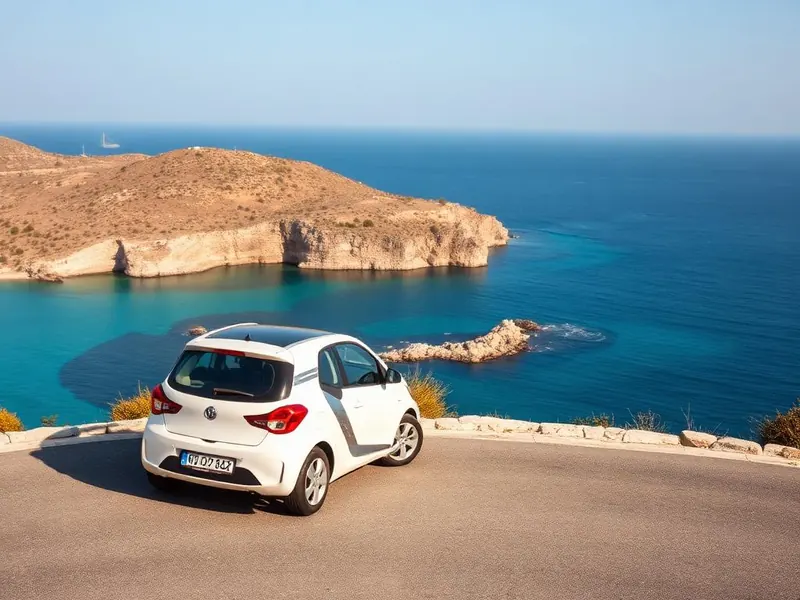
A rental car is the practical choice for staying in Kattavia or combining the village with beaches and other southern stops. It solves the main drawback of the location: the things you are likely to want to do are spread beyond the village.
KTEL serves Kattavia on its east-coast network from Rhodes Town, with departures from the New Market area at Mandraki. Services are limited, and timetables change seasonally. Check both directions in the live Rhodes bus timetables before committing to a day trip. A bus reaching Kattavia does not by itself solve your onward journey to a beach.
For taxis, arrange pickup and return in advance rather than relying on an immediate village pickup. Use Rhodes taxi prices for planning, then confirm the actual journey with the operator. For an airport arrival, settle how you will reach your accommodation before travelling: this is not a short transfer.
Frequently asked questions
How far is Kattavia from Rhodes Town?
Kattavia is 84 km by road from Rhodes Old Town (Mandraki), with a typical drive of 105–140 minutes. Allow extra time for stops and parking.
Is Kattavia on the beach?
No, Kattavia is inland. Prasonisi is 8.6 km away by road, typically 15–20 minutes by car, while Plimmiri is 9.6 km away.
Is Kattavia a good base for Prasonisi windsurfing?
Yes, if you want village accommodation and meals away from the beach and have transport. It is the nearest village to Prasonisi, but you still need to plan the journey there and back.
Can you visit Kattavia without renting a car?
Yes, using KTEL buses or a prearranged taxi. Check the current return bus before travelling and arrange separate onward transport if you also want to visit the coast.
When is Kattavia’s main village festival?
The main summer panigiri centres on Agia Paraskevi’s feast on 26 July, followed by Saint Panteleimon’s feast on 27 July. Check locally for the current evening programme and services.
Plan where to stay in Rhodes
- Where to Stay in Rhodes — All 16 main areas and every village guide
- Rhodes Area Comparison — Areas side by side by travel style
- Rhodes Greece Hotels — Hotels by area, style and budget
- Top Hotels in Rhodes — My curated hotel picks, area by area
- Where to Stay Without a Car — Walkable bases with good bus links
- Where to Stay With Kids — Family areas by age and holiday style
- Best Villas in Rhodes — My handpicked villas, ready to book